

What Is Cotswold Stone? Its Characteristics, History, and Price
The Appeal of Cotswold Stone and Its History
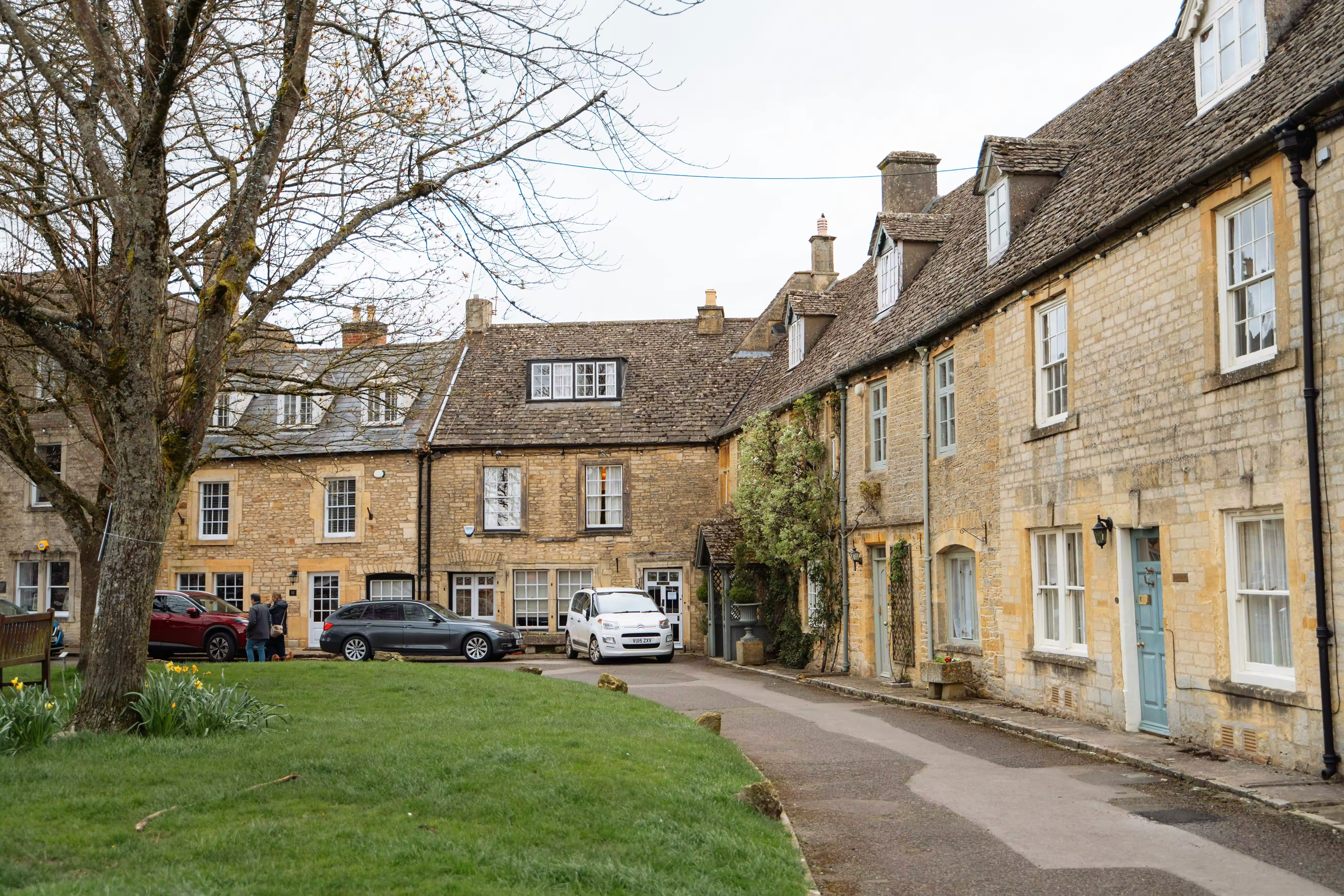
Cotswold Stone is a type of limestone quarried in the Cotswolds region of west-central England. Formed from sandy, grain-like limestone deposited in the warm Jurassic seas, it’s known for its soft, honey-yellow color. Freshly quarried, the stone is whitish, but as it weathers, iron oxide seeps to the surface, and over time the stone takes on the distinctive golden hue for which it’s known. This color is exactly what gives rise to the “golden villages” landscape that draws people from around the world.
The Historical Background of Cotswold Stone
Cotswold Stone has been used in construction for more than a thousand years. During the Middle Ages, it was quarried in large quantities in the Cotswolds, a region that prospered through the wool trade, and was widely used for houses, churches, and monasteries. One especially distinctive technique is “dry stone walling,” in which walls are built up without any mortar. Because the stone is porous and easy to work, it was also used as a roofing material, and roofs made of stacked thick stone slabs have become a symbol of the Cotswolds townscape.
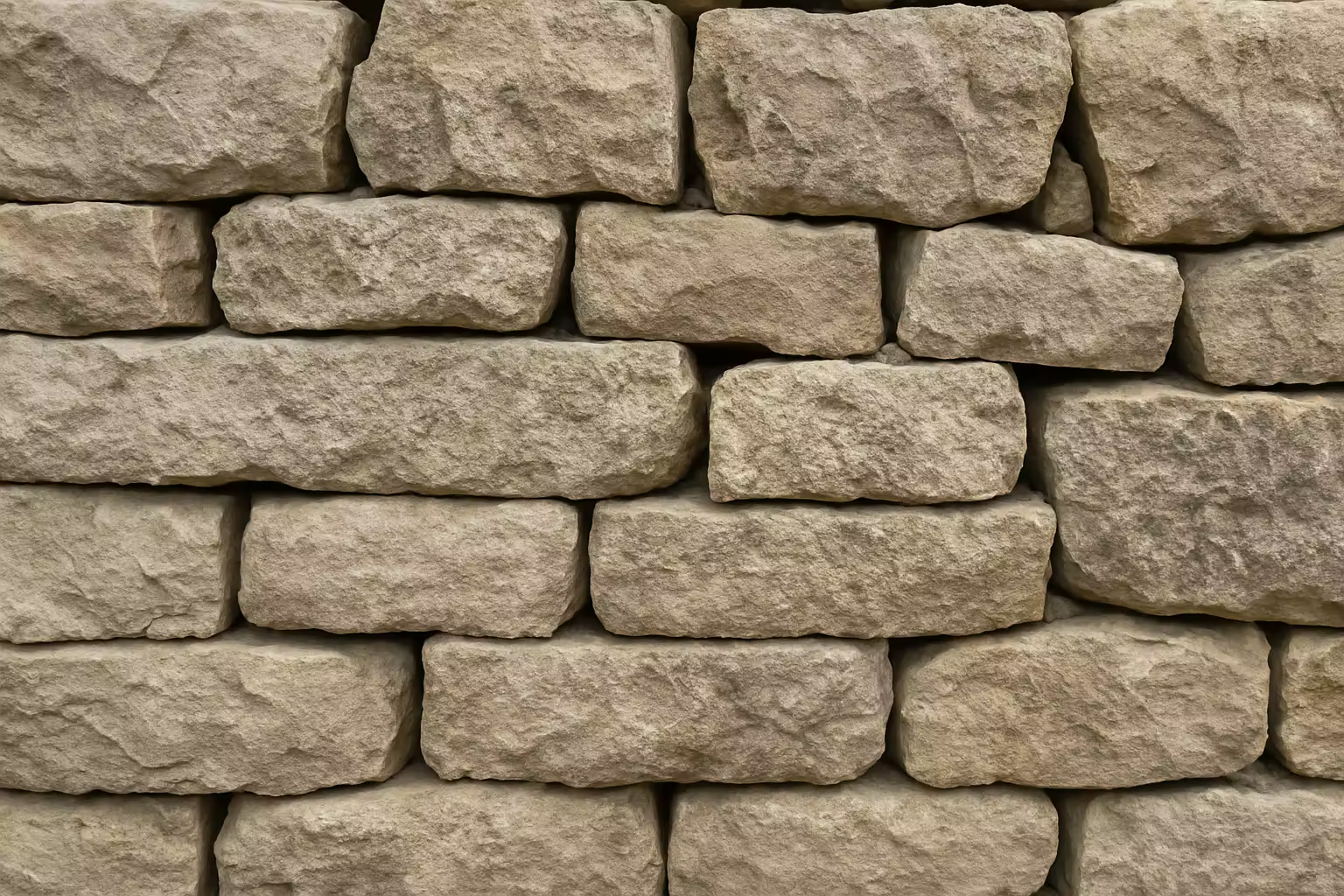
Since the Industrial Revolution, it has increasingly been replaced by newer building materials such as iron, brick, and concrete. Even so, Cotswold Stone is still sometimes specified for the restoration of historic buildings and for luxury homes. Thanks to its beautiful texture and strong regional character, it remains popular today.
The Price of Cotswold Stone
Genuine Cotswold Stone is very expensive. At stone dealers in the UK, it typically sells for around 200,000 yen per ton, and one ton covers only about 4m² of wall. That works out to a simple calculation of nearly 40,000 yen per m² in material costs alone.
When used in Japan, import costs and customs duties are added on top, so the going domestic price is typically in the range of 80,000–90,000 yen per m². That’s an extremely high price for an exterior material, and using it across an entire home requires a substantial budget.
Challenges in Installation: Weight and Difficulty
Beautiful as it is, Cotswold Stone comes with a weight challenge. Because natural limestone is dense, it can weigh as much as 400kg per m². Using it on an exterior wall requires reinforcing the building’s structure. In Japan, it’s rarely adopted, largely for seismic reasons.
Cutting and transporting the stone is also physically demanding work, and installation costs often end up exceeding the material cost itself. In short, the reality of genuine Cotswold Stone is that it’s “expensive and difficult to install.”
Recreating Cotswold Stone with Cast Stone Tile
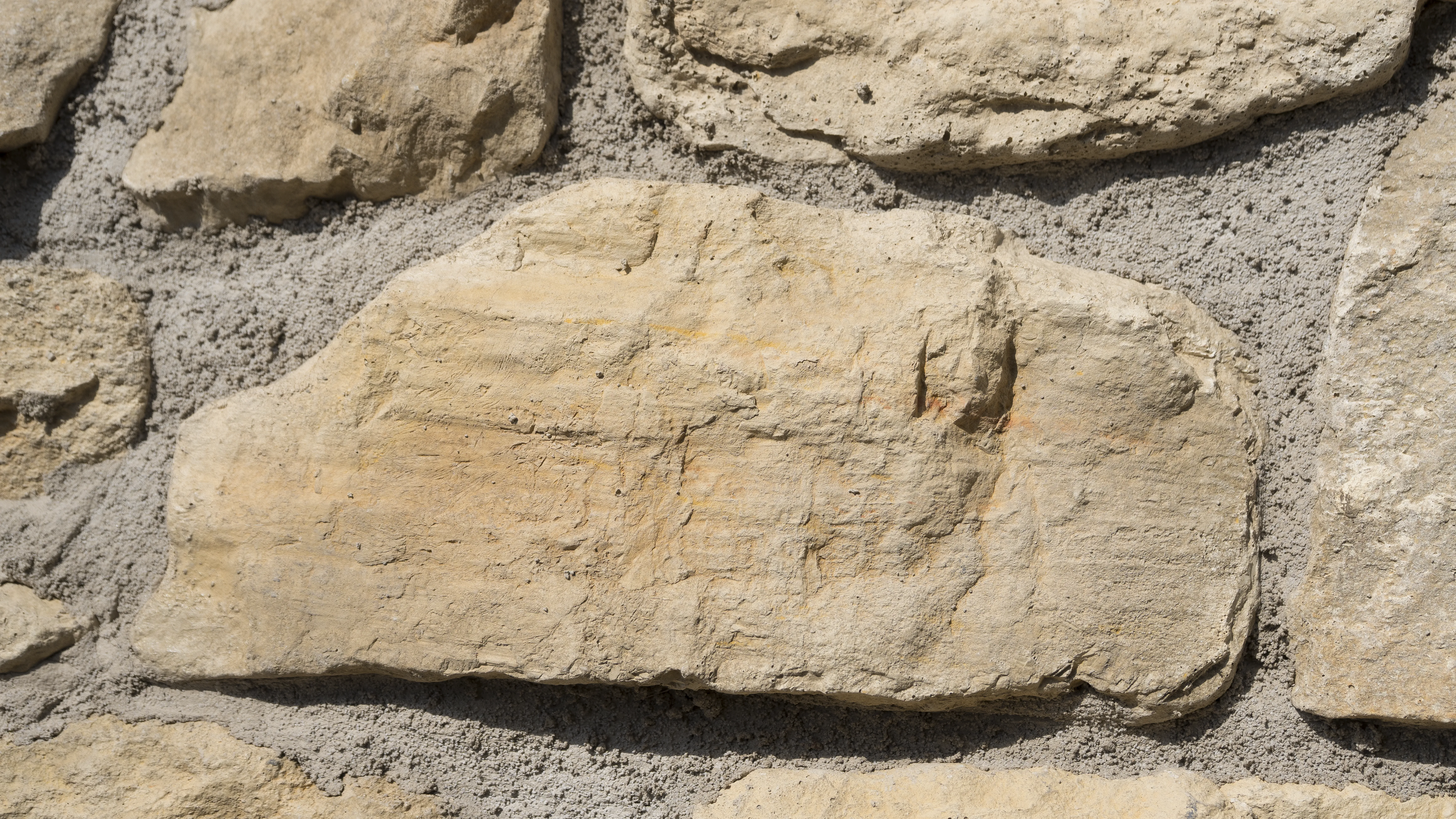
Against this backdrop, cast stone — an artificial stone material that faithfully reproduces the look of natural stone — has been drawing attention. Although it’s a precast concrete product, it’s molded from real stone to capture the authentic texture, right down to the natural color variation and rust-like markings, achieving a finish that’s nearly indistinguishable from natural stone.
Benefits of Using Cast Stone
Faithful reproduction
It captures the warmth of the honey color, natural color variation, and even rust-colored speckling, blending naturally into any streetscape.
Lightweight design
At about half the weight of natural stone, it places less load on the building and can sometimes eliminate the need for reinforcement work. It’s also easier to handle on-site.
Cost savings
Material costs are significantly lower than natural stone, and higher installation efficiency keeps construction costs down as well. Domestic supply is stable, with no import risk.
High workability
Because it comes in standardized tile sizes, it’s easy to work with and delivers consistent finish quality.
Price Comparison Between Natural Stone and Cast Stone (Reference Values)
Genuine Cotswold Stone: approx. 80,000–90,000 yen per m² (varies by import and installation conditions)
Cast stone tile (Cotswolds look): around 16,000 yen per m²
The price difference comes to more than five times, and it widens further once installation costs and schedule are factored in. In other words, while the appearance is nearly identical, cast stone tile has an overwhelming advantage in cost and workability.
Our CAN’STONE “COTSWOLDS (COT)” is a cast stone product developed to solve exactly these challenges.
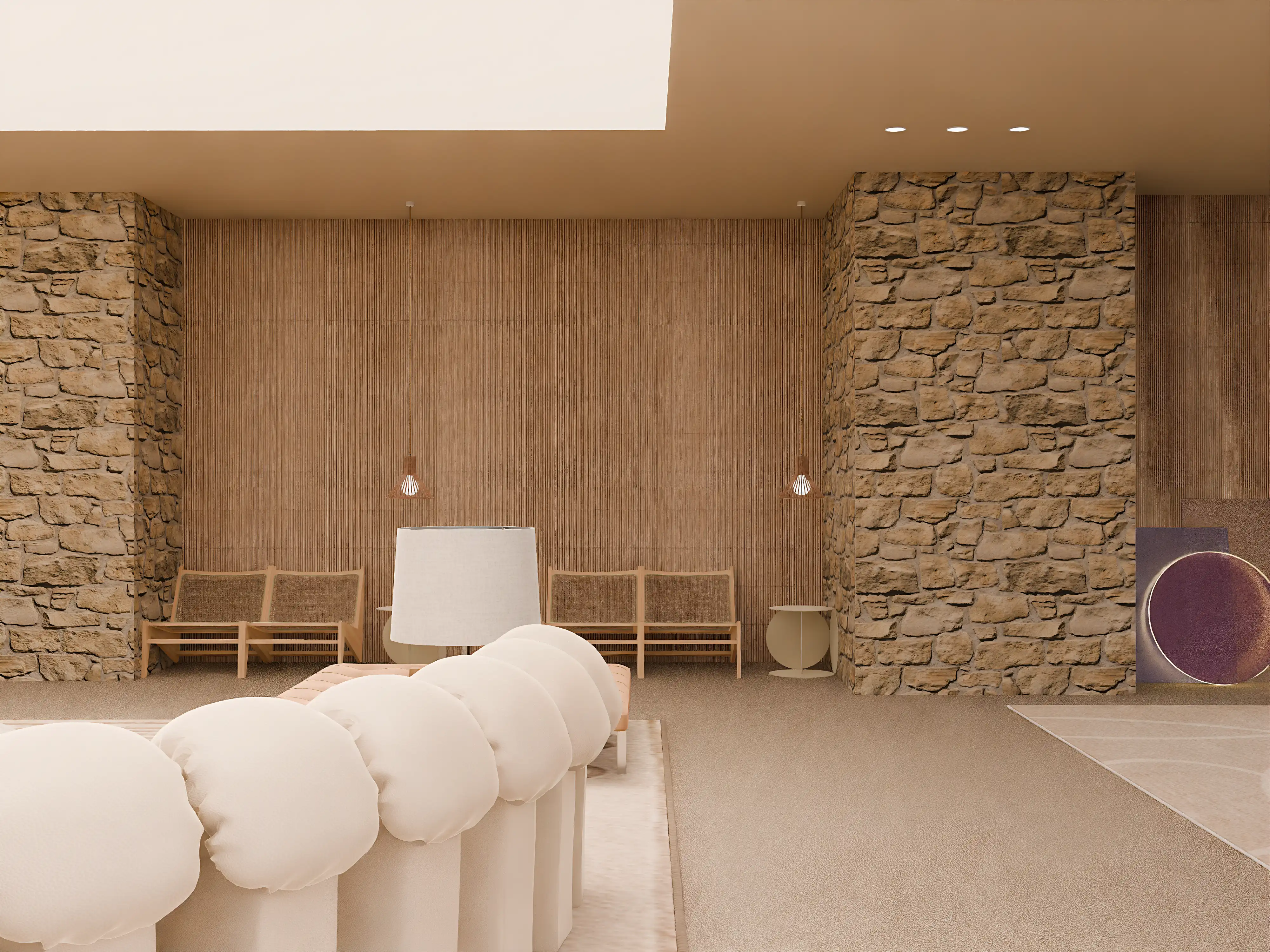
Faithful to the real thing: captures the honey-colored look and rust-toned texture down to the smallest detail
About half the weight of natural stone: minimizes the need for reinforcement even on exterior walls, improving installation efficiency
Cost performance: can be installed at about one-fifth the price of natural stone
“I want to bring the beauty of genuine Cotswold Stone into my space” — but “the price and weight make it difficult.” For anyone in that position, our “Cotswolds” is a smart, sensible choice.
Latest Articles
View All
CONTACT
General Inquiries