

How to Maintain Brick Tile
Brick tile is used in a wide variety of interior and exterior designs.
Proper maintenance is essential to keep it looking good for years to come.
This article explains everyday care and cleaning methods for brick tile, along with maintenance tips to help it last longer.
One of the appeals of brick tile is that the patina it develops over time from dirt doesn’t actually look unattractive. Still, if it bothers you, or you specifically want to keep it looking pristine, use this guide as a reference.
Table of Contents
Everyday Care and Cleaning
Regular dusting and cleaning
Cleaning with a neutral detergent
Cleaning method to avoid #1 – Using a pressure washer
Cleaning method to avoid #2 – Using acidic detergents
Maintenance Tips for Longer Life
Regularly applying a water repellent
Repairing cracks
Protecting against rain and snow (frost resistance)
Regular inspection by a professional contractor
Everyday Care and Cleaning
1. Regular Dusting and Cleaning
If you want to keep the surface of your brick tile looking clean, regular cleaning is important. Use a soft brush to remove dust from the surface.
2. Cleaning with a Neutral Detergent
If dirt becomes noticeable, we recommend cleaning with a neutral detergent, following the steps below.
1. Fill a bucket with warm water and mix in a neutral detergent.
2. Soak a soft cloth or sponge in the detergent solution and gently wipe the tile surface.
3. For areas with heavier soiling, scrub a little more firmly.
4. Rinse with clean water afterward, then wipe away the moisture with a dry cloth.
3. Cleaning Method to Avoid #1 – Using a Pressure Washer
Avoid relying on cleaning methods, such as pressure washers, that can abrade the surface. A pressure washer may make the surface look clean in the short term, but over time it creates microscopic scratches that make dirt adhere more easily. It also smooths out the surface texture, so we don’t recommend it.
4. Cleaning Method to Avoid #2 – Using Acidic Detergents
In the desire to get brick tile really clean, it can be tempting to reach for an acidic detergent, but this should be avoided. Most brick tile is a precast concrete product made from processed cement, and cement is highly vulnerable to acid. Using an acidic agent can cause the following problems.
• Tile deterioration: Acidic detergents erode the tile surface, not only causing it to lose its decorative appearance but also reducing the durability of the tile itself.
• Joint damage: Because most jointing mortar also contains cement, acidic detergents damage the joints as well. This can weaken the joints and reduce how securely the tile is held in place.
For these reasons, we strongly recommend using a neutral detergent for cleaning brick tile and avoiding acidic agents.
5. Using a Water Repellent
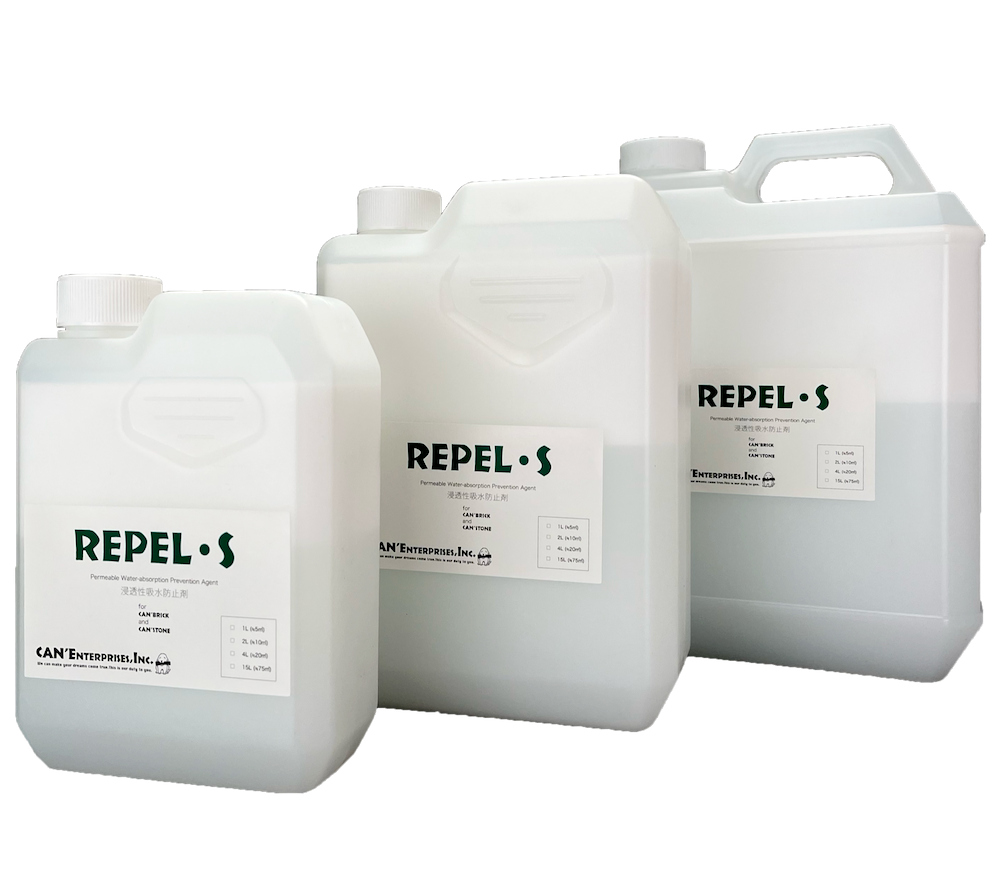
Using a water repellent is an effective way to extend the life of your brick tile. A water repellent creates a hydrophobic layer on the tile surface that prevents water and dirt from soaking in. We recommend the product here. CAN’Enterprises’ Penetrating Water Repellent “Repel S” doesn’t form a surface film, so it causes minimal color change and adds water-repellent performance to brick tile while preserving its original appearance.
Maintenance Tips for Longer Life
1. Regularly Applying a Water Repellent
To extend the life of the tile, it’s important to regularly apply a water repellent. A water repellent protects the tile surface and prevents water and dirt from soaking in. This is essential, in particular, for tile installed outdoors.
2. Repairing Cracks
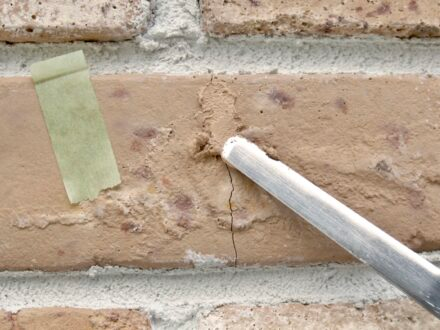
If a crack appears, it’s important to repair it promptly. If left alone, water will seep in through the crack and accelerate the tile’s deterioration. We recommend using a dedicated repair compound for repairs. CAN’ Enterprises’ CAN’BRICK brick tile series has a dedicated repair compound developed for each product, so you can use it with confidence when making repairs.
3. Protecting Against Rain and Snow (Frost Resistance)
Brick tile installed outdoors is frequently exposed to rain and snow, so measures to reduce water absorption are essential. Regularly apply a water repellent to keep the tile shedding water. If snow accumulates, remove it promptly to prevent the tile from freezing.
4. Regular Inspection by a Professional Contractor
Having a professional contractor inspect your brick tile on a regular basis is also an effective way to help it last longer. A professional’s trained eye can catch problems early, allowing you to take appropriate action.
With proper maintenance, brick tile can retain its beauty and durability for many years. Make everyday care and regular maintenance a habit, and enjoy your beautiful brick tile space. Be sure to make use of items such as water repellent and repair compound to help it last.
Latest Articles
View All

CONTACT
General Inquiries