

Our Commitment to Design
> Brick Tile CAN’BRICK > Stone CAN’STONE
Brick Tile
CAN’BRICK’s Commitment to Brick Design
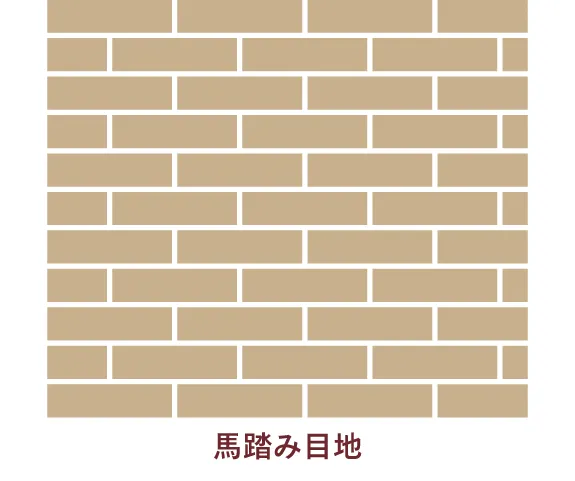
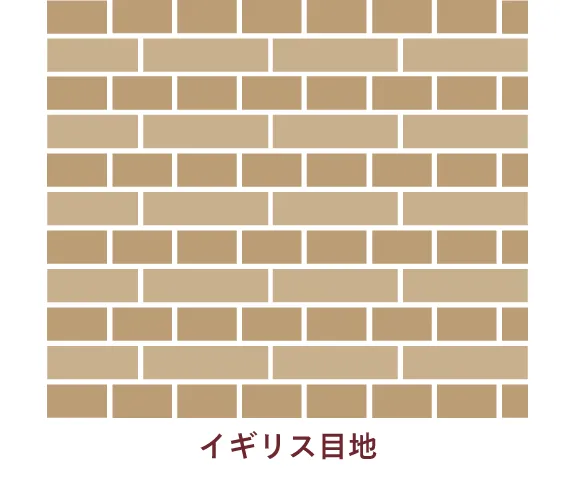
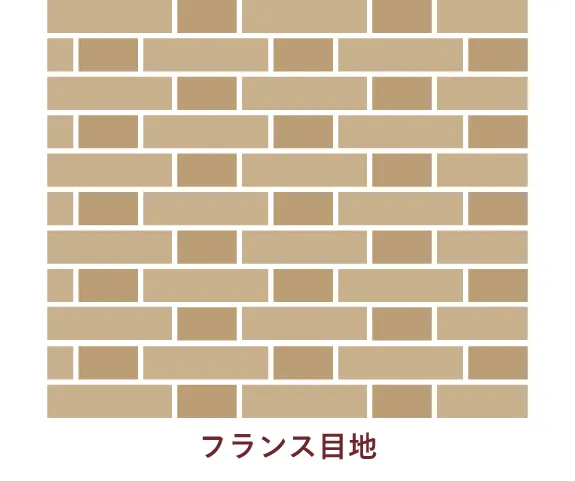
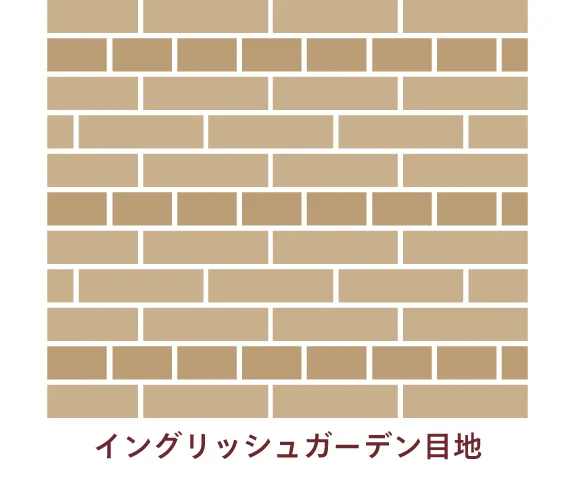
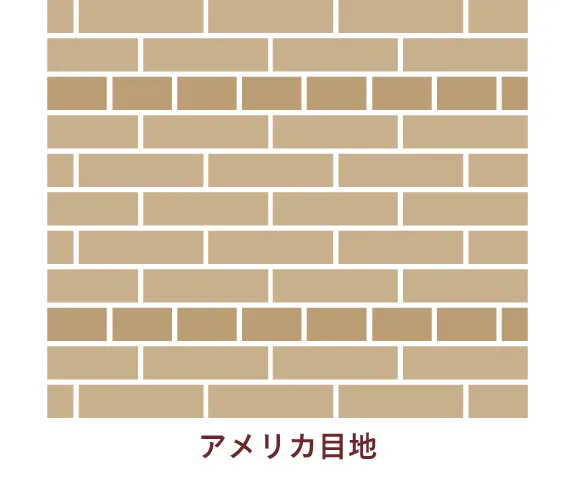
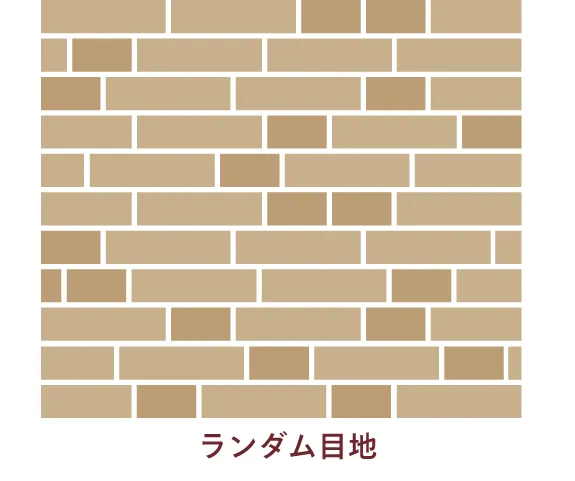
Brick can be laid in a variety of bond patterns, each producing a different visual impression as well as different structural strength. Recreating the bond patterns unique to masonry construction allows brick tile to achieve a more beautiful, authentic finish.
Click an image to view installation examples of the corresponding brick bond (joint pattern).
Joint Finishes
Joints account for roughly 20% of a building’s total surface area, which shows how important a design decision the joint profile really is.
Click an image to view installation examples of the corresponding joint finish and joint color.
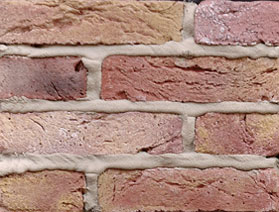 | 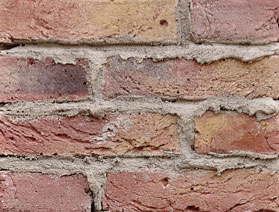 | 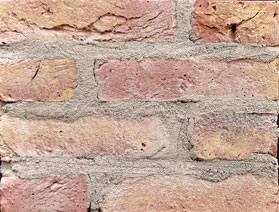 |
Bead Joint | Oozed Joint | Overgrout Joint |
The joint is finished so it overlaps the surface of the brick. This produces a more refined, distinctive finish than the Oozed Joint. | The joint is finished so it overlaps the surface of the brick, giving it the character unique to brick masonry. | The joint overlaps the brick surface and is wider, creating a weathered, aged look. |
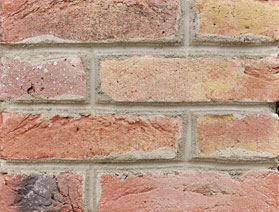 | 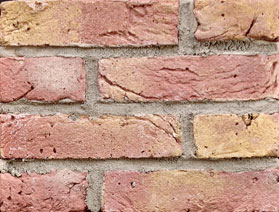 | 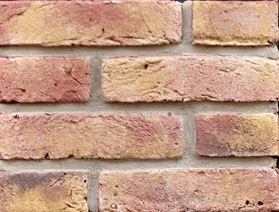 |
Grapevine Joint | Full Joint | Standard Joint |
A technique where a thin tool is run along the center of the joint to create a line resembling a grapevine tendril, giving the brick a strong presence and a sharp look. | Finished by smoothing with a trowel or wooden spatula, taking care not to soil the brick surface. | A common jointing method in which mortar is packed to about 1/2 to 2/3 of the brick’s thickness, producing a finish with the tile’s own shape and three-dimensional texture. |
Brick Tile Made for Painted Finishes
For painted-finish designs, there is also a dedicated brick tile from CAN’STYLE, “Brick for Paint.” This plain brick tile shows off white, black, and every other color beautifully, making it a great choice for commercial facilities, stores, and amusement venues.
MT-MEJI Jointing Mortar — How Joint Color Changes the Look of Brick
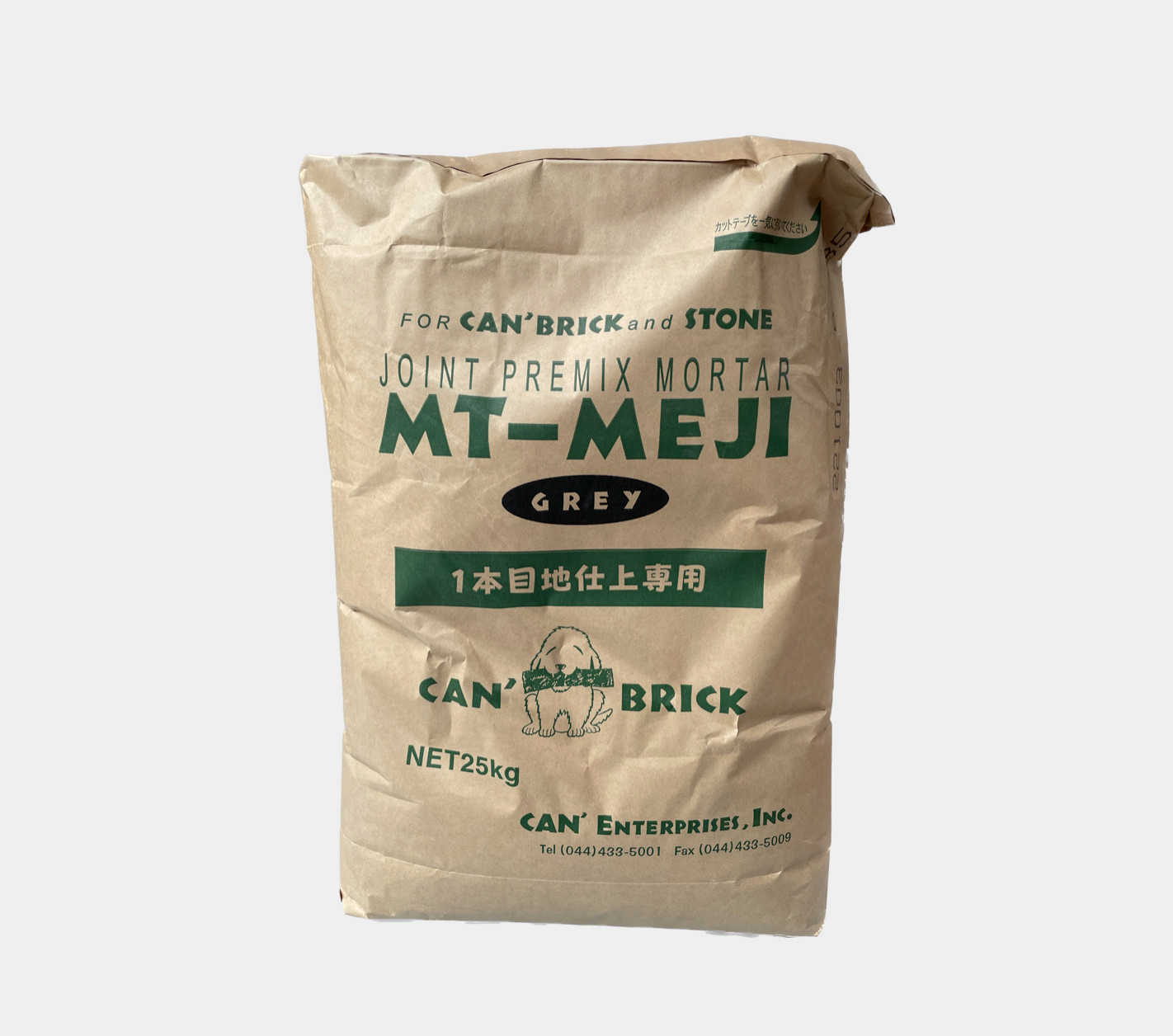
MT-MEJI is a jointing mortar developed exclusively for CAN’BRICK & CAN’STONE, for use with the “single-joint” method on both interior and exterior surfaces. Its coarse-textured mortar coordinates with CAN’BRICK & STONE. For colors other than white and gray, dry-mix the included coloring powder thoroughly, then mix only the amount you need with water before use.
Standard jointing coverage: approx. 4-5m2 per bag
Weight: net 25kg
Wall Surface & Jointing Mortar Usage (Reference Values)
Tile (Tile Thickness) | Joint Width (mm) | MT-MEJI Usage (25kg/bag) |
10mm | 5.5~6.5m2 | |
SJ (approx. 17mm) | 10mm | 4.5~5.0m2 |
10mm | 4.5~5.0m2 | |
NL (approx. 17mm) | 10mm | 3.0~4.0m2 |
ENG (approx. 20mm) | 10mm | 3.5~4.5m2 |
CB (approx. 18mm) | 10mm | 4.0~5.0m2 |
AM (approx. 20mm) | 13mm | 3.0~4.0m2 |
MC (approx. 21mm) | 10mm | 3.0~4.0m2 |
GGB (approx. 22mm) | 10mm | 3.0~4.0m2 |
*Values vary depending on tile thickness, joint width, and installation method. Applicable joint width: 8~20mm
Stone
CAN’STONE’s Commitment to Design
Stone can be laid in a variety of bond patterns, each producing a different visual impression as well as different structural strength. Recreating the bond patterns unique to masonry construction allows manufactured stone veneer to achieve a more beautiful, authentic finish.
Click an image to view installation examples of the corresponding stone bond (joint pattern).
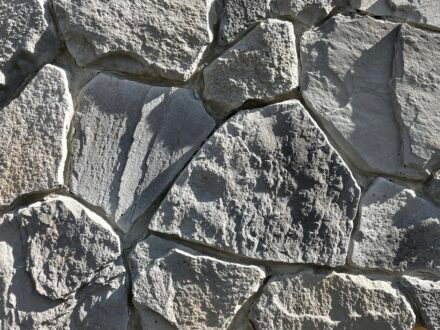 | 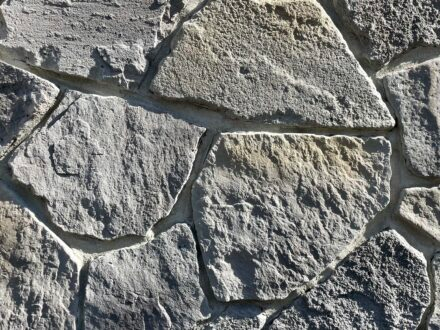 | 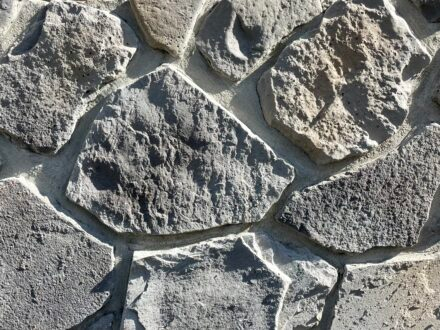 |
Tight Joint | Standard Joint | Wide Joint |
Used when a neatly tailored impression is desired. Installed so that little to no joint is visible between individual stones. Recommended when aiming for a modern impression. | Finished with a joint width of about one finger’s width, or roughly 6~13mm. Depending on the stone selected, this style works for spaces ranging from classical to modern design. | A joint finish with a width of roughly 15~25mm. A style that feels warm and evokes a sense of the building’s history. |
Joint Finishes
Joints account for roughly 20% of a building’s total surface area, which shows how important a design decision the joint profile really is.
Click an image to view installation examples of the corresponding joint finish and joint color.
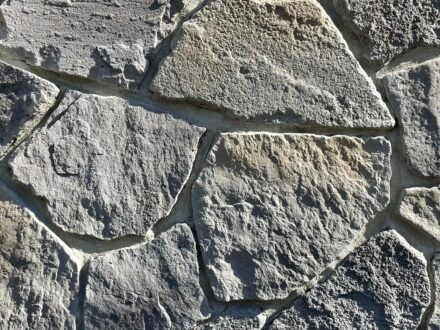 | 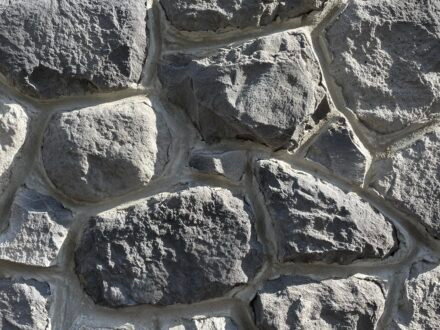 | 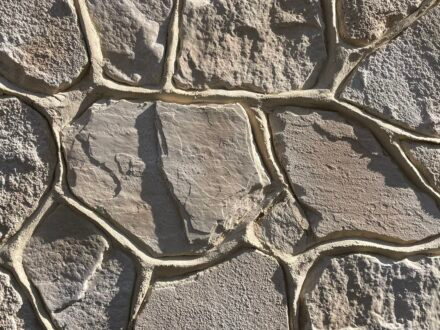 |
Standard Joint | ConcaveJoint | Tent Joint |
Finished with a joint width of roughly 10~13mm, recessed by up to about 10mm from the stone surface at its deepest point. This is the most common finish used in stone installation, and it makes each individual piece stand out the most. | The joint width is similar to the Standard Joint, but as the name suggests, the edge of the joint is finished to follow the contour of the stone. This can create the substantial feel of a single monolithic slab. | The joint width follows the Wide Joint. Extra mortar is packed in, then trimmed away along the edge of the stone so the center of the joint forms a peak. A design that gives a clean impression while also feeling charming. |
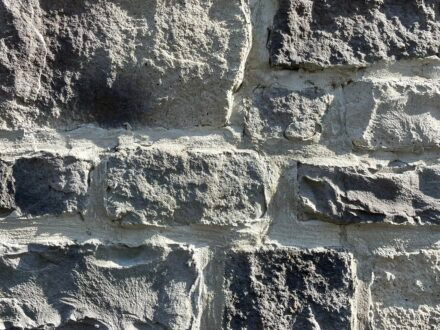 | 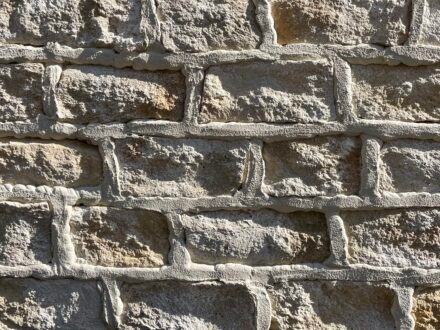 | 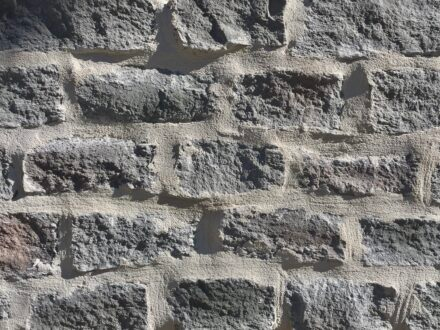 |
Trowel-Tooled Joint | Bead Joint | Overgrout Joint |
The mortar is overlapped and struck with a trowel or similar tool while still wet. This produces a very smooth surface finish. | The joint is finished so it overlaps the surface of the stone. The Bead Joint can create a historic appearance. | By overlapping the joint beyond the stone surface, this finish can evoke the aged, weathered atmosphere of an old European castle. |
MT-MEJI Jointing Mortar — How Joint Color Changes the Look of Stone
MT-MEJI is a jointing mortar developed exclusively for CAN’BRICK & CAN’STONE, for use with the “single-joint” method on both interior and exterior surfaces. Its coarse-textured mortar coordinates with CAN’BRICK & STONE. For colors other than white and gray, dry-mix the included coloring powder thoroughly, then mix only the amount you need with water before use.
Standard jointing coverage: approx. 4-5m2 per bag
Weight: net 25kg
Latest Articles
View All
CONTACT
General Inquiries