

Fire Pit FAQ: The Basics of Enjoying a Safe Backyard Bonfire
*This article is based on information independently researched and confirmed by our company as of 2025. Local ordinances and enforcement practices may change, so please be sure to check with your local municipality or fire department before actual use. Please note that our company cannot be held responsible for any use of this information.
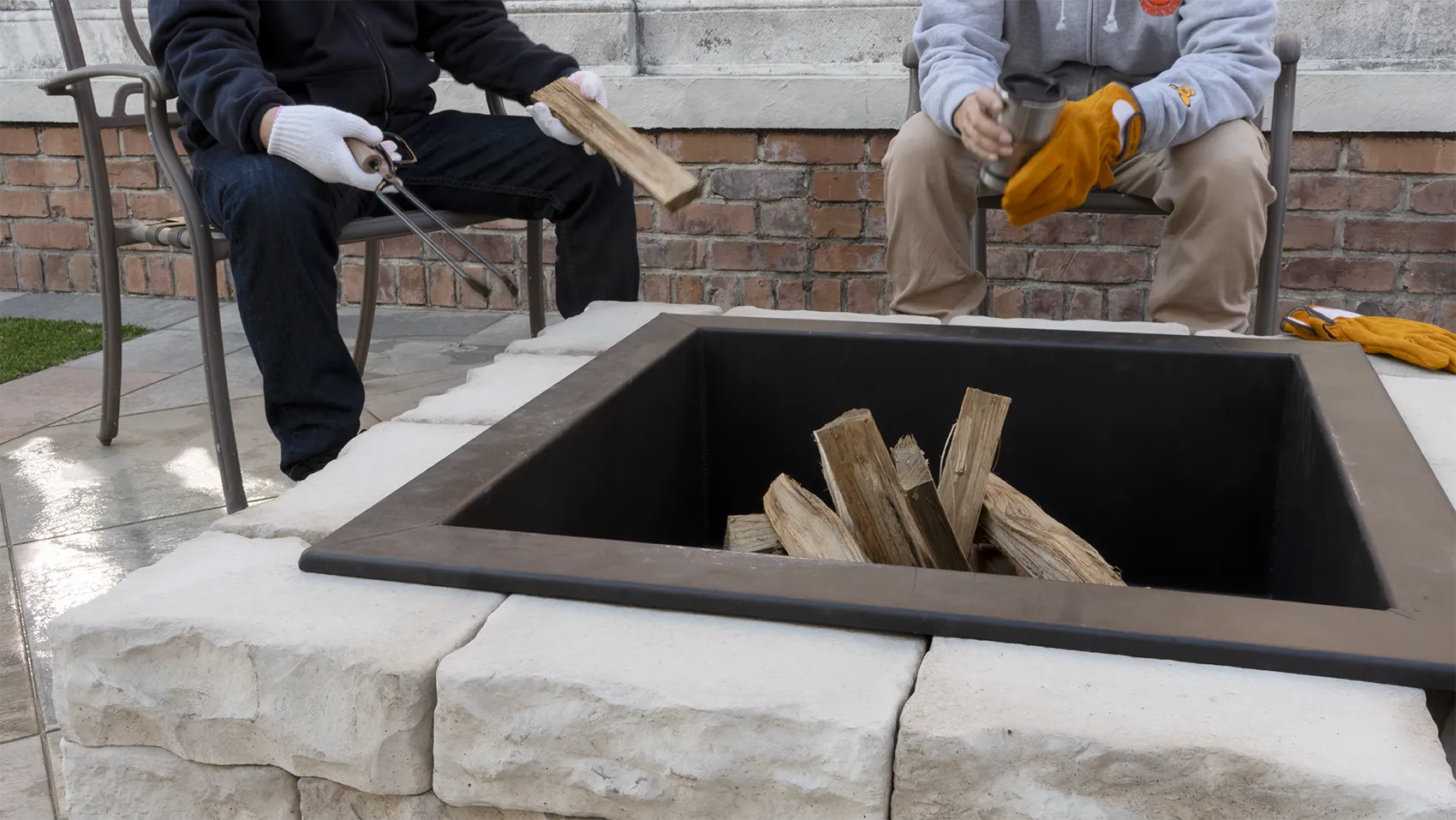
In recent years, as outdoor living and backyard camping have grown in popularity, more people want to install a fire pit in their own yard. But many wonder, “Is it even legal to have a bonfire in my backyard in the first place?” or “Is BBQ okay but bonfires not?”
This article focuses on the greater Tokyo area (Tokyo, Kanagawa, Chiba, and Saitama) and explains, with primary sources, the legal and ordinance-based restrictions our company found on using a fire pit or bonfire at a private residence.
Are Backyard Bonfires and BBQs Prohibited?
Having a bonfire or BBQ on private property is not, in itself, explicitly prohibited by law.
According to the Ministry of the Environment, “open-air burning” under the Waste Management Act is prohibited in principle, but exceptions are provided as follows.
“Bonfires and other minor incineration ordinarily conducted in daily life” (Article 14, Enforcement Order of the Waste Management and Public Cleansing Act)
In other words, household bonfires and barbecues are not illegal as long as they are considered “minor incineration.”
However, if smoke, odor, or sparks cause a nuisance to neighbors, it may become subject to administrative guidance or a complaint. The Ministry of the Environment’s “On Open-Air Burning (So-Called Nobiyaki)” also notes the following:
“Even incineration recognized as an exception may become subject to guidance if it has a significant impact on the surrounding area.”
(Source: Ministry of the Environment, “On Open-Air Burning (So-Called Nobiyaki)” https://www.env.go.jp/recycle/yaki_faq/)
In particularly dense residential areas, even a small fire can be mistaken for a “fire emergency” due to visible smoke or flames, leading to a report to authorities.
In addition, for condominiums and apartments, using fire on a balcony is often prohibited under the building’s management rules, meaning even charcoal or gas may not be allowed.
The Difference Between National Law and Local Ordinances: Examples from the Greater Tokyo Area
● Tokyo
Tokyo has some of the strictest environmental regulations in Japan, and the Tokyo Metropolitan Environmental Ordinance stipulates the following:
“No person shall incinerate waste or other materials outdoors.” (Article 126, Tokyo Metropolitan Environmental Ordinance)
Bonfires and barbecues can, in principle, fall under this “outdoor incineration,” and the exceptions permitted are limited to things like “agricultural activities deemed necessary by the ward or municipality” and “traditional events such as Dondo-yaki.”
Reference: Tokyo Metropolitan Bureau of Environment, “On Outdoor Incineration” https://www.kankyo.metro.tokyo.lg.jp/basic/guide/air/jorei/jorei_sonota
● Kanagawa Prefecture
In Kanagawa Prefecture, while operating within the framework of the Waste Management Act, barbecues and campfires necessary for daily life are tacitly permitted as exceptions.
“Minor incineration activities (barbecues, campfires, burning fallen leaves, etc.) are, as long as they are conducted within common sense limits, exempt from the general prohibition.” (Kanagawa Prefecture Environment and Agriculture Bureau, “Prohibition of Open-Air Burning (Nobiyaki)”)
Reference: Kanagawa Prefecture, “Prohibition of Open-Air Burning (Nobiyaki)” https://www.pref.kanagawa.jp/docs/ph7/cnt/f219/p591169.html
However, if a complaint is received from neighbors, an on-site investigation may be conducted and guidance may be issued.
● Chiba Prefecture
In Chiba Prefecture as well, outdoor incineration is prohibited in principle, but “minor incineration activities associated with daily life (bonfires, campfires, barbecues, etc.)” are treated as exceptions; if smoke or odor interferes with the living environment, it becomes subject to administrative guidance.
Reference: Chiba Prefecture, “On Open-Air Burning (Nobiyaki)” https://www.city.chiba.jp/kankyo/junkan/shushugyomu/hanamigawa-inage/noyakinokinnsi.html
● Saitama Prefecture
In Saitama Prefecture too, bonfires and BBQs are often treated as “minor incineration activities associated with daily life” and thus exempt from the ordinance’s prohibition, but they become subject to guidance if judged to be detrimental to the preservation of the living environment.
“Burning fallen leaves, campfires, barbecues, and the like are treated as exceptions as minor incineration conducted in the course of ordinary life.”
Reference: Saitama Prefecture, “On the Prohibition of Open-Air Burning” https://www.pref.saitama.lg.jp/a0506/kurashi/gomi/sangyo/noyakikinshi.html
The Difference Between Bonfires and BBQs
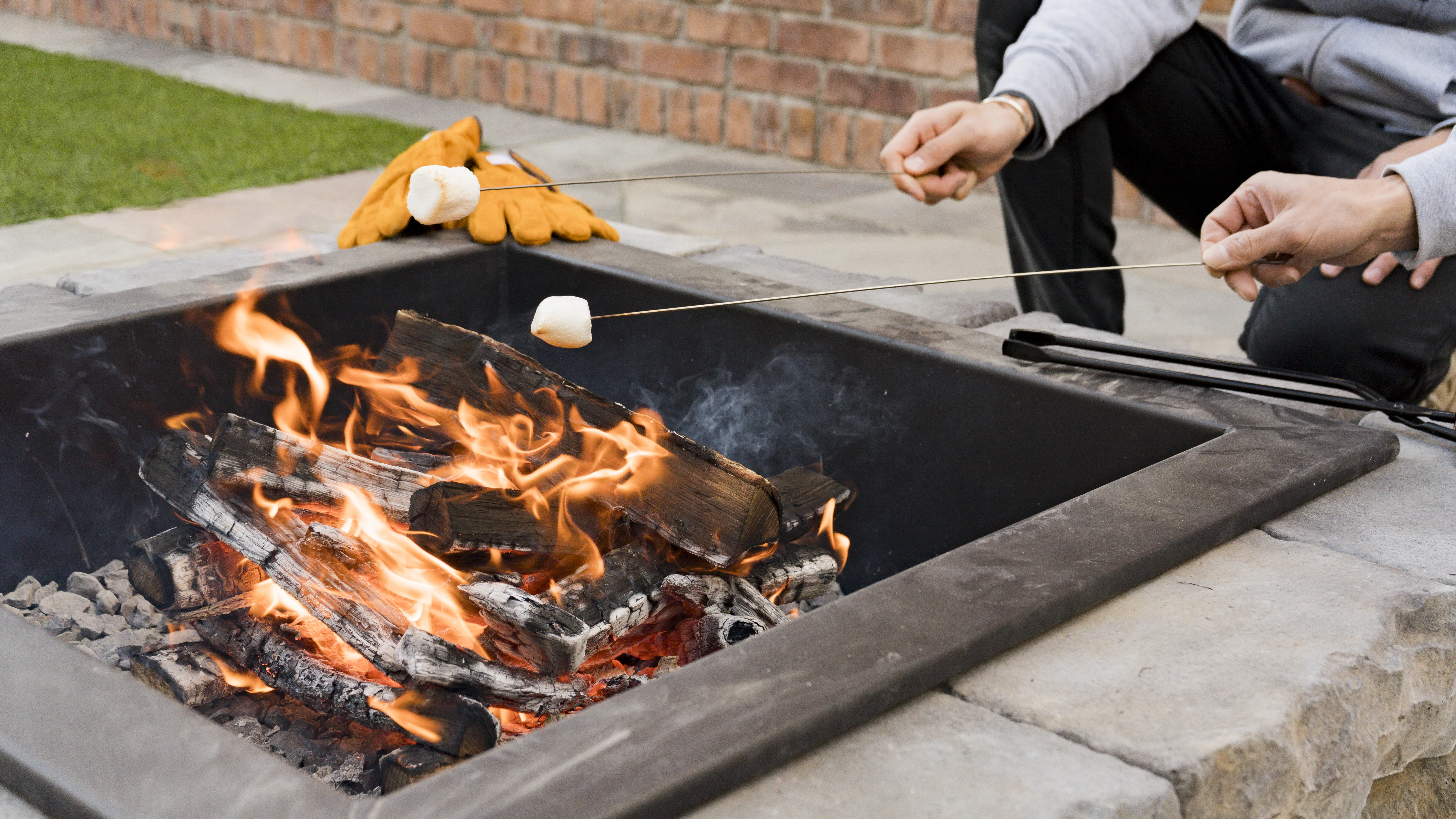
Legally, both bonfires and BBQs are equally included under “minor incineration,” but the way they are perceived in practice differs.
BBQ is regarded as a cooking activity that typically ends within a short time during the day, making it easier for neighbors to understand. Bonfires, on the other hand, involve larger flames and are more often used at night with more smoke and sparks, which carries a higher psychological risk of being reported.
Furthermore, in the case of bonfires, burning “fallen leaves or waste material” may violate the Waste Management Act. Be careful to burn only commercially sold firewood or charcoal, and never burn trash or pruned branches.
Are Gas and Electric Grills Okay?
Gas grills and electric cookers are not “incineration,” so they are not covered by the Waste Management Act. This gives them an advantage in that they produce little smoke and make it easier to be considerate of neighbors.
However, since they still involve open flame or heat, using them on a condominium balcony may violate building rules. Care must also be taken to avoid accidents while powered on and tracking fires caused by extension cords.
Relationship with the Fire Service Act and the Minor Offenses Act
If the use of fire causes a fire or creates the risk of one, it can also become a matter under the Fire Service Act and the Minor Offenses Act.
“A person who lights a fire or discards a cigarette without exercising due care” is subject to detention or a minor fine. (Minor Offenses Act, Article 1, Item 9)
In addition, the Fire Service Act stipulates the following:
“When the fire chief or other authority deems it necessary for fire prevention, they may restrict the use of fire or take other necessary measures.” (Fire Service Act, Article 16-3)
In other words, if a report is made by neighbors, the fire department may issue on-site guidance or an order to stop.
Reference: Fire and Disaster Management Agency (Ministry of Internal Affairs and Communications), “Fire Prevention Ordinance and Fire Use Q&A” https://www.fdma.go.jp/mission/prevention/knowledge/faq/
Measures for Enjoying It Safely
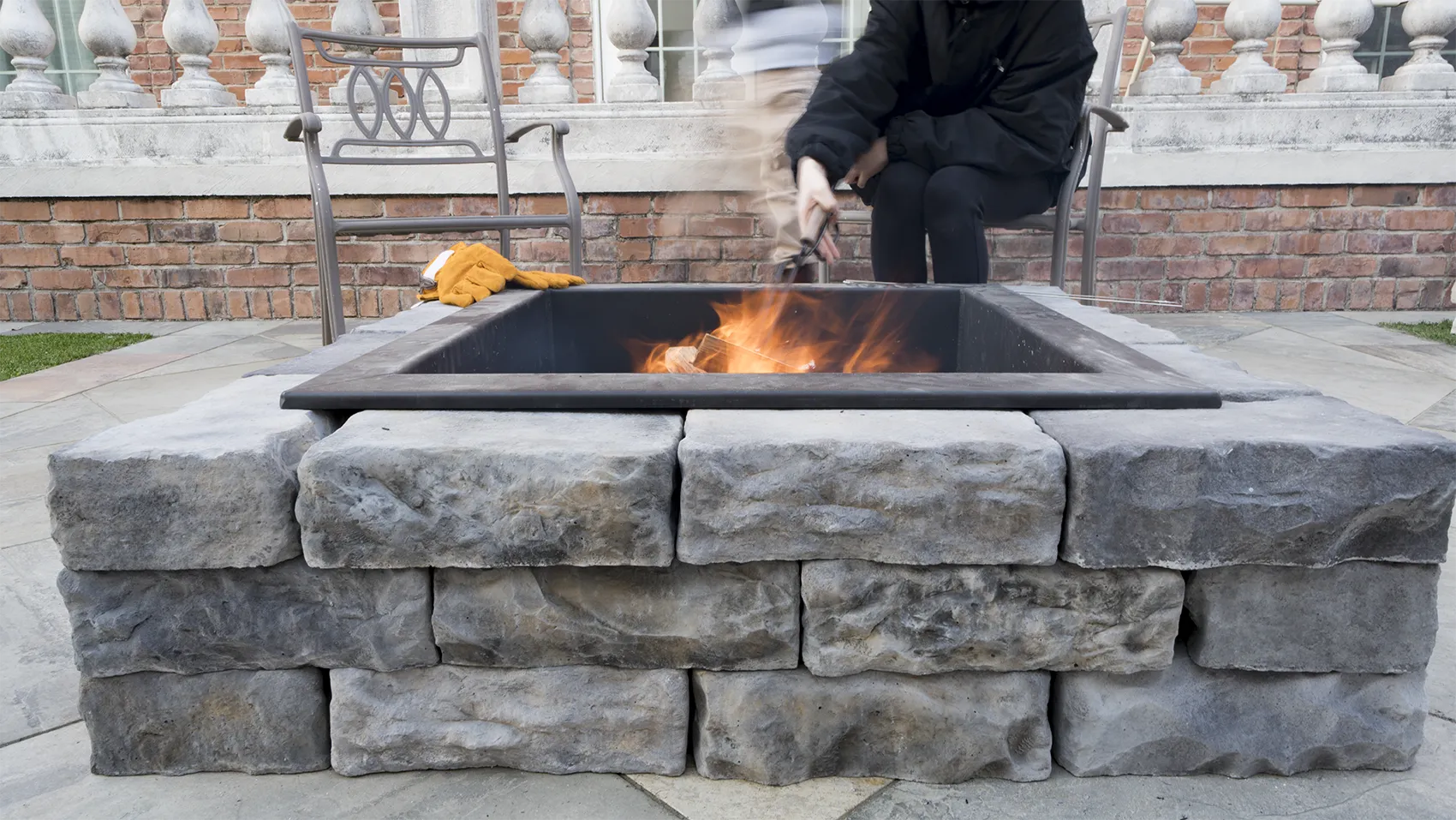
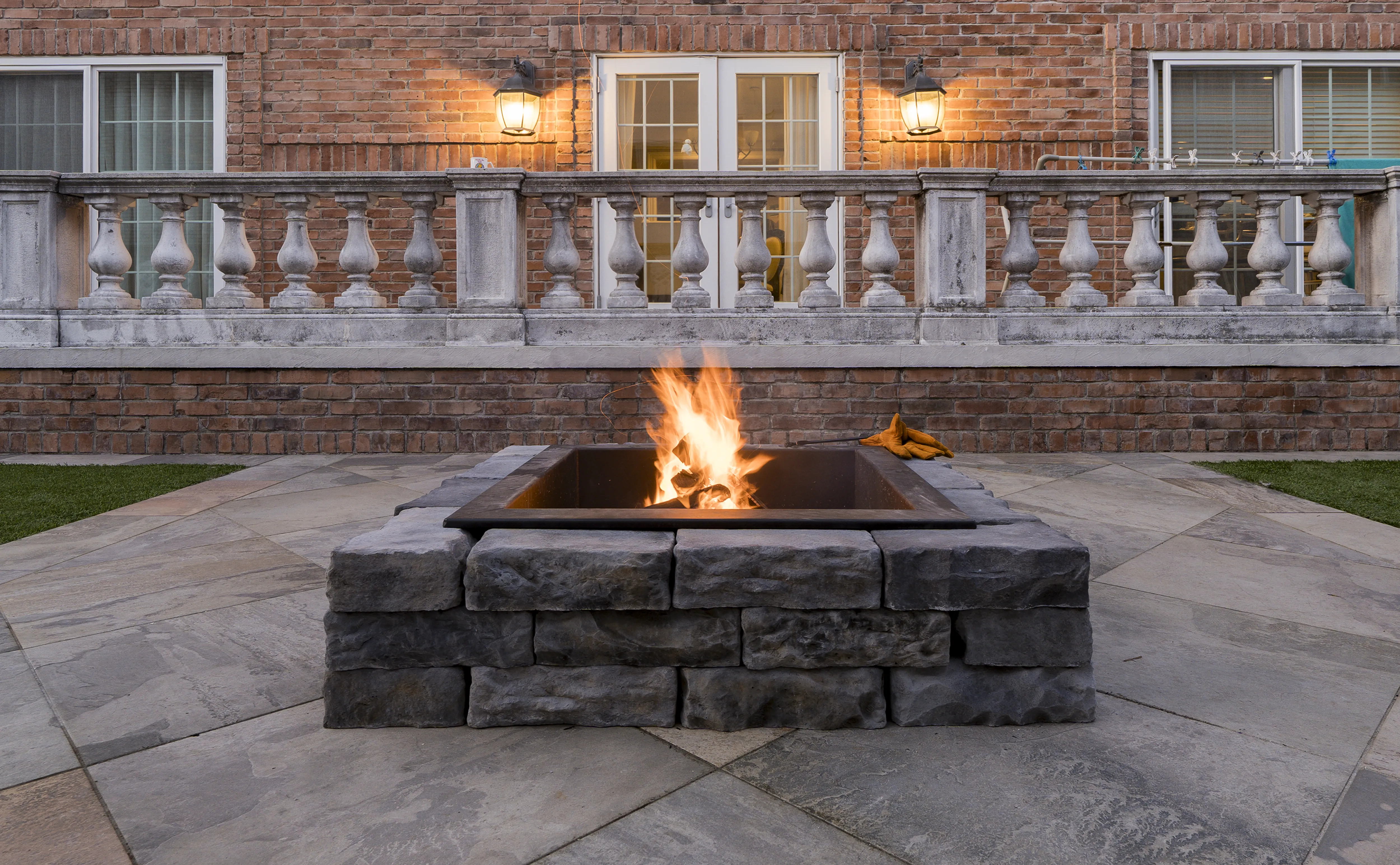
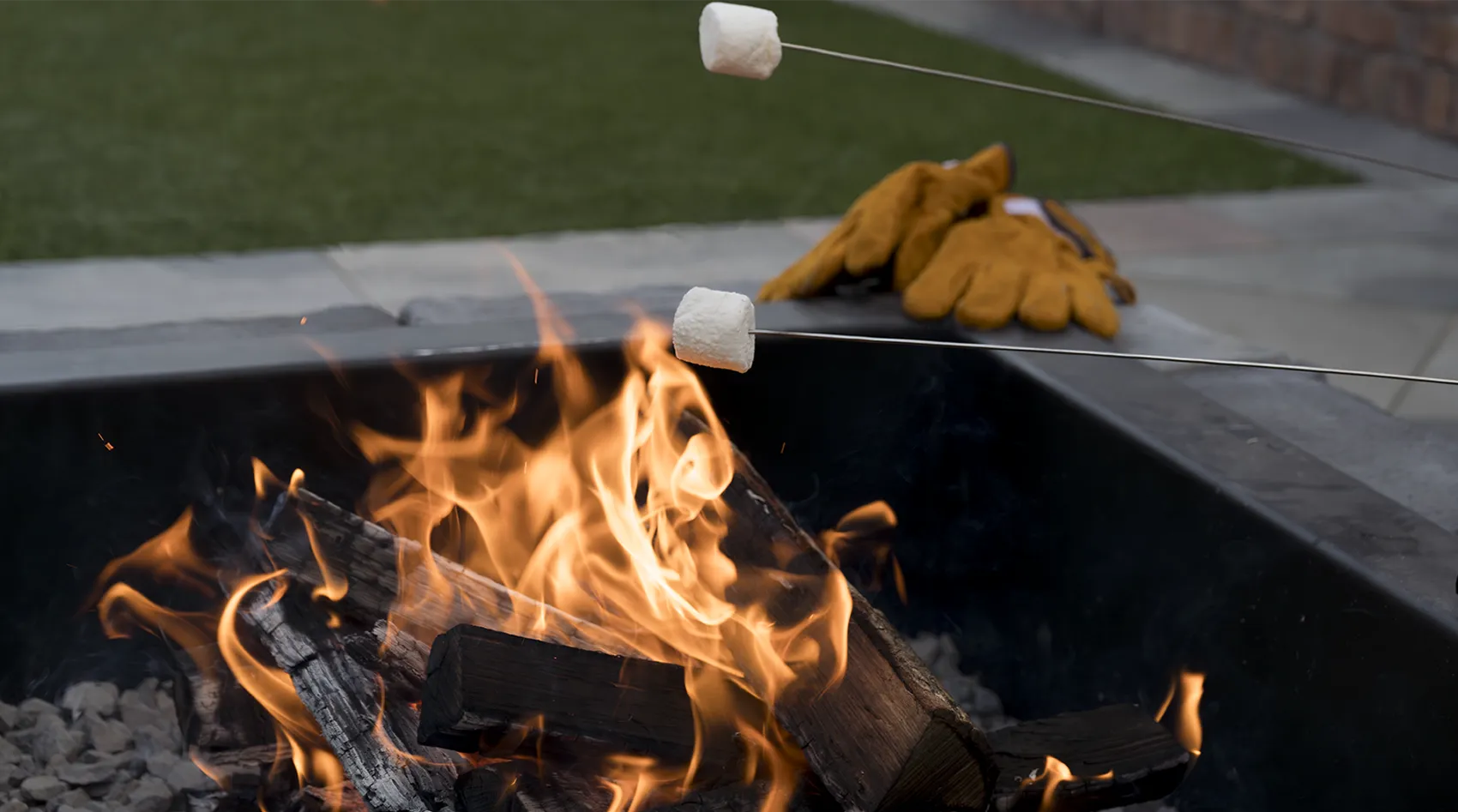
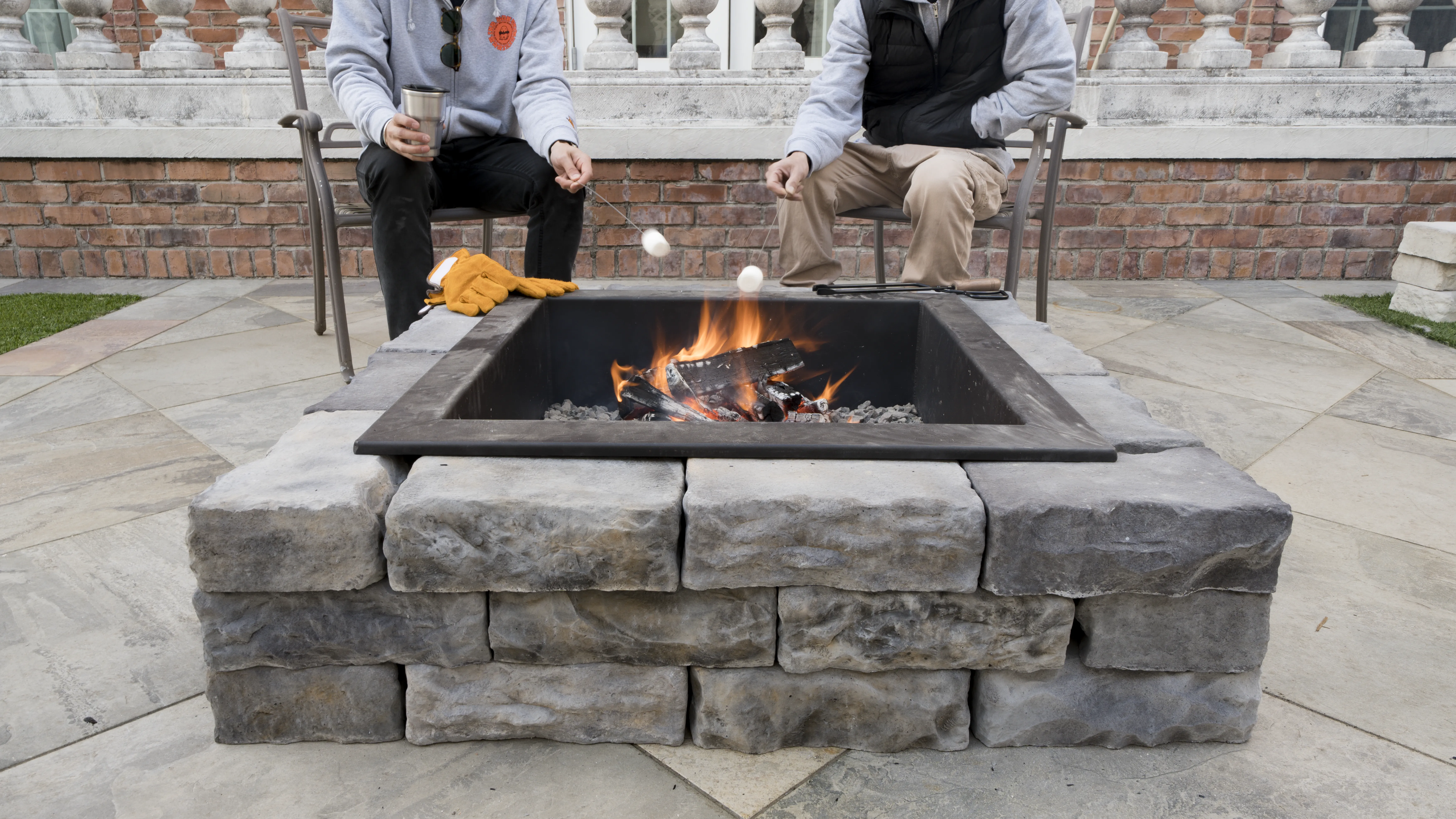
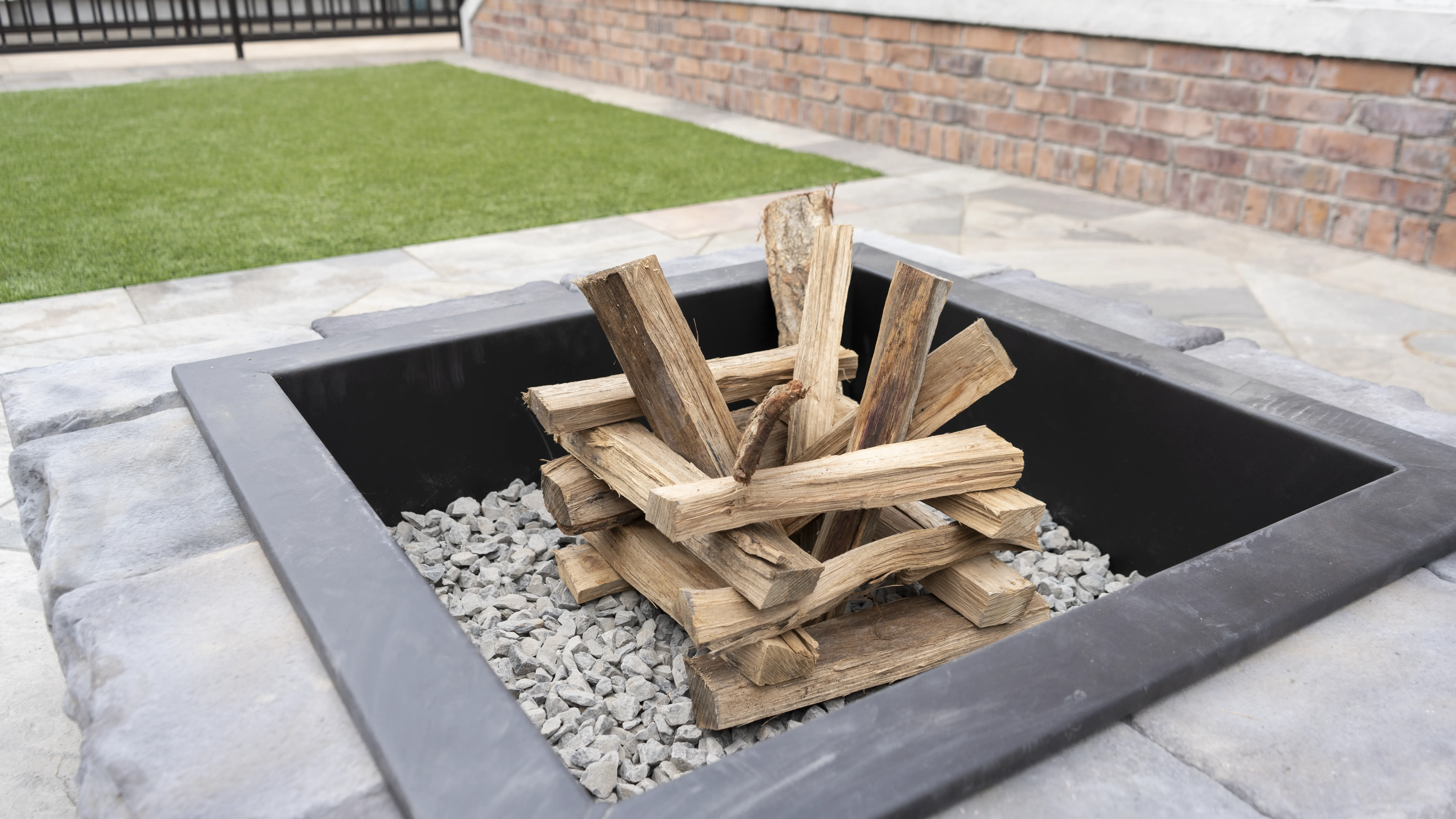
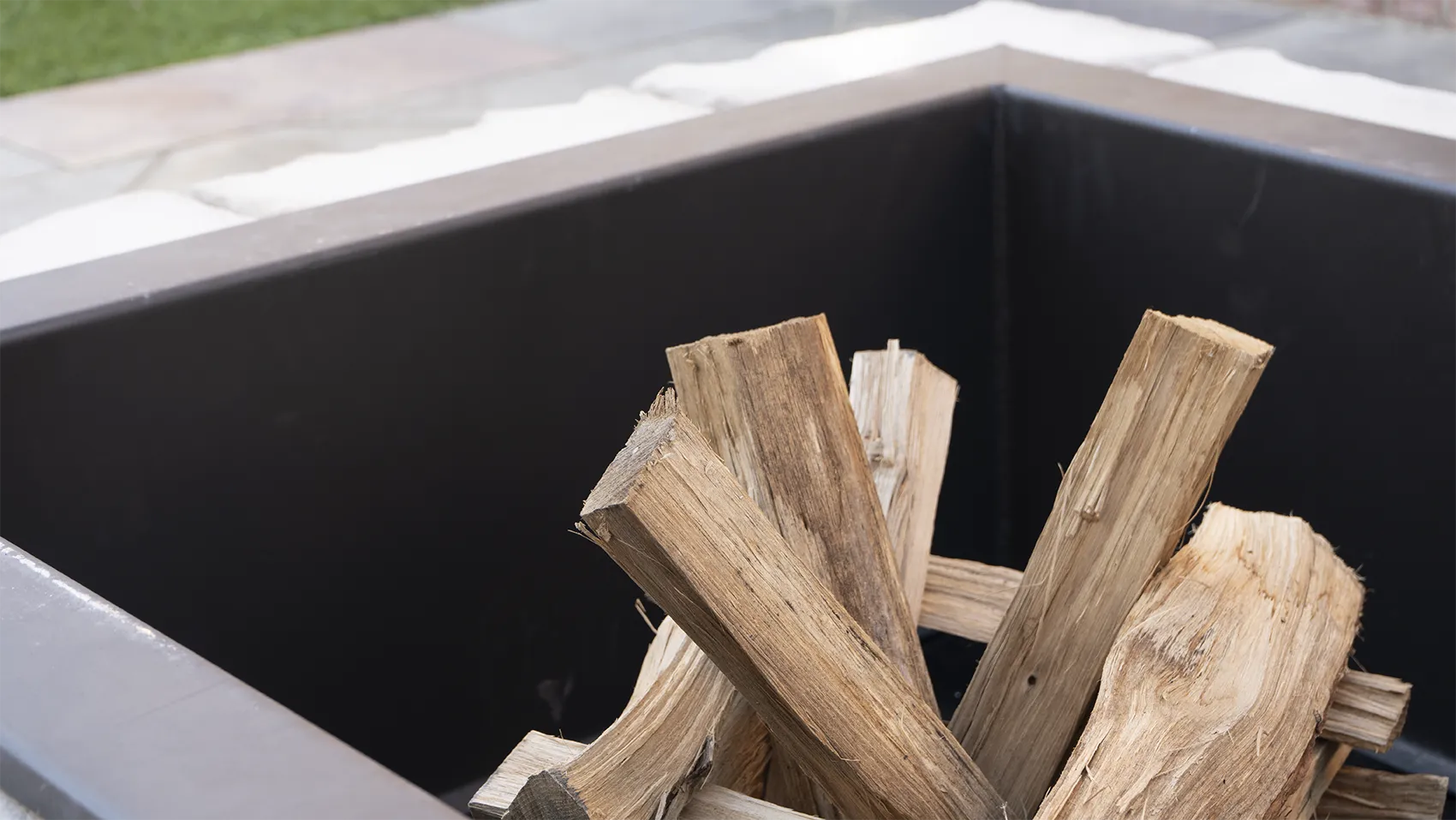
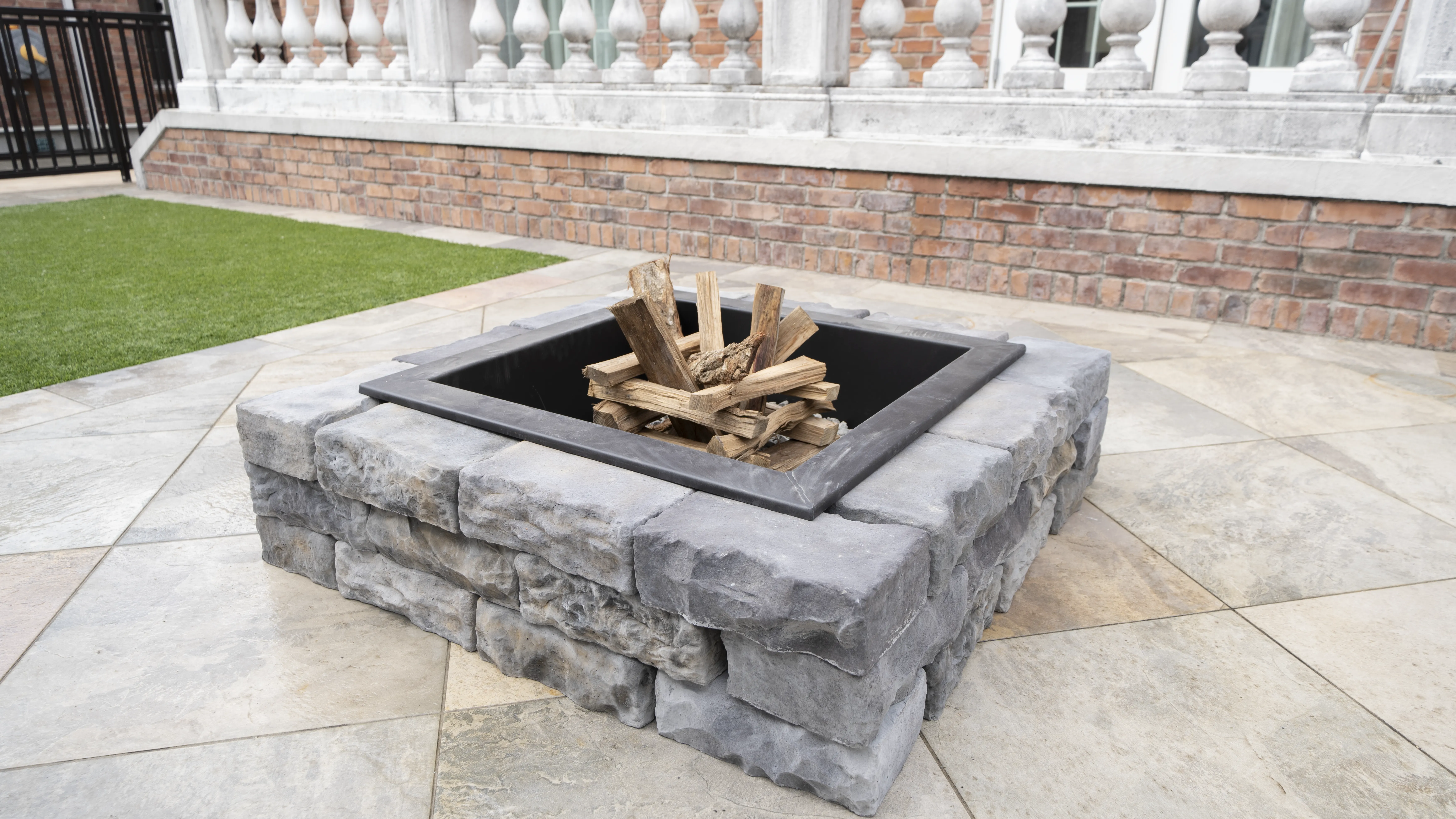
Use well-dried firewood or charcoal — fuel that produces less smoke 🪵
Avoid windy days or days with a dry weather advisory 🌪️
Keep a fire extinguisher and a bucket of water on hand 🪣
Avoid nighttime use, and finish by around 8:00 PM ⏰
Keep a safe distance from surrounding houses so the fire doesn’t spread to buildings or trees 🏘️
If possible, let your neighbors know in advance 🗣️
Summary
Using a bonfire or fire pit in your own backyard is not necessarily illegal, but depending on local ordinances and your relationship with neighbors, it can lead to trouble.
Regulations are especially strict within Tokyo, where many cases are formally treated as prohibited. In Kanagawa, Chiba, and Saitama, on the other hand, there is a tendency to tacitly allow it as long as it stays “within common sense,” so it’s important to understand the ordinances and circumstances of the area where you plan to use it.
We support creating outdoor spaces where fire can be enjoyed safely and comfortably. We hope this article is helpful to those considering a fire pit.
*The content of this article is general information based on research as of 2025 and does not constitute a legal guarantee. Please be sure to check with your local municipality and fire department for the latest information.
Latest Articles
View All
CONTACT
General Inquiries