

What Are Kasagi, Kasaishi, Top Caps, and Top Rails? A Complete Guide to Their Role and Benefits in Home Exteriors
What Are Kasagi, Kasaishi, Top Caps, and Top Rails?
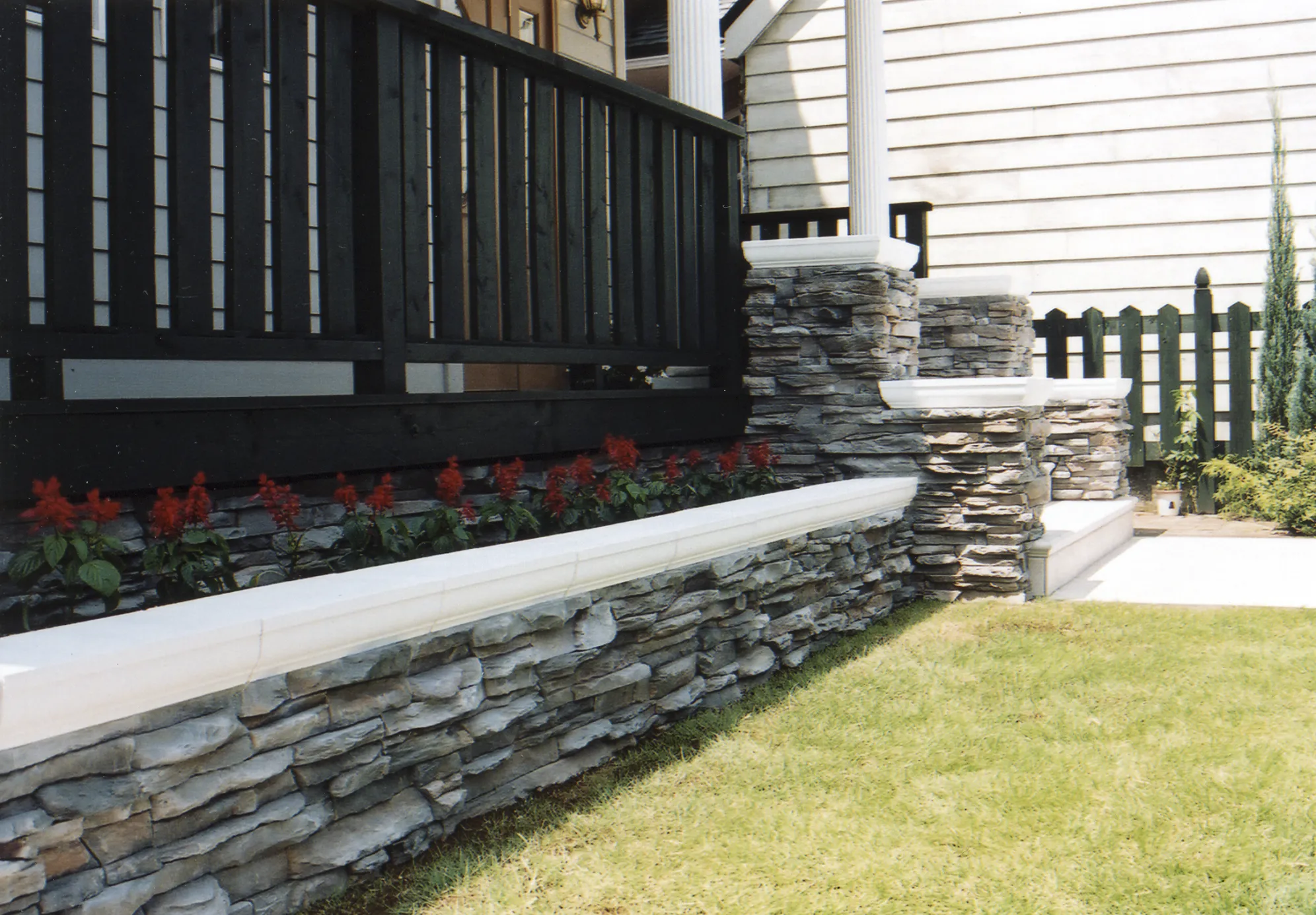
Let’s start by clarifying the terminology. We’ll look at what each term means and how it’s used.
What Is Kasagi (Coping)?
Kasagi refers to the finishing material fitted over the very top of a structure such as a fence, handrail, low wall, or parapet. In construction terminology it’s also known in English as “coping,” a general term for the horizontal cap piece placed over the top edge for weatherproofing (preventing rainwater intrusion).
Familiar examples include the sheet-metal cover fitted over a balcony handrail wall, or the roof tiles and bricks placed along the top of a garden fence — both are broadly called “kasagi.” Inside buildings, the wooden cap on top of a stair handrail is another example. The word originally comes from “kabuki,” the horizontal beam spanning the top of a torii gate or gateway.
The key point is that kasagi is not merely decorative — it’s a component that protects the structure beneath it like an umbrella. As explained below, adding coping prevents rainwater intrusion and wall staining while also serving as a visual accent, making it very important in exterior design.
What Is Kasaishi (Stone Coping)?
Kasaishi refers to coping made of stone. There’s no strict definition, but coping made of natural stone or concrete is often specifically called “kasaishi.” It’s a slab-like piece set on top of a gatepost or fence, characterized by a thick, substantial finish. For example, if you place a natural stone plate on top of a gatepost, that’s kasaishi. The texture and heft unique to stone lend a refined, dignified impression.
In short, think of kasaishi as the subset of kasagi made specifically from stone. “Kasagi” and “kasaishi” serve the same function as a top finishing material, but distinguishing between them often emphasizes the design quality and presence unique to stone.
What Is a Top Cap?
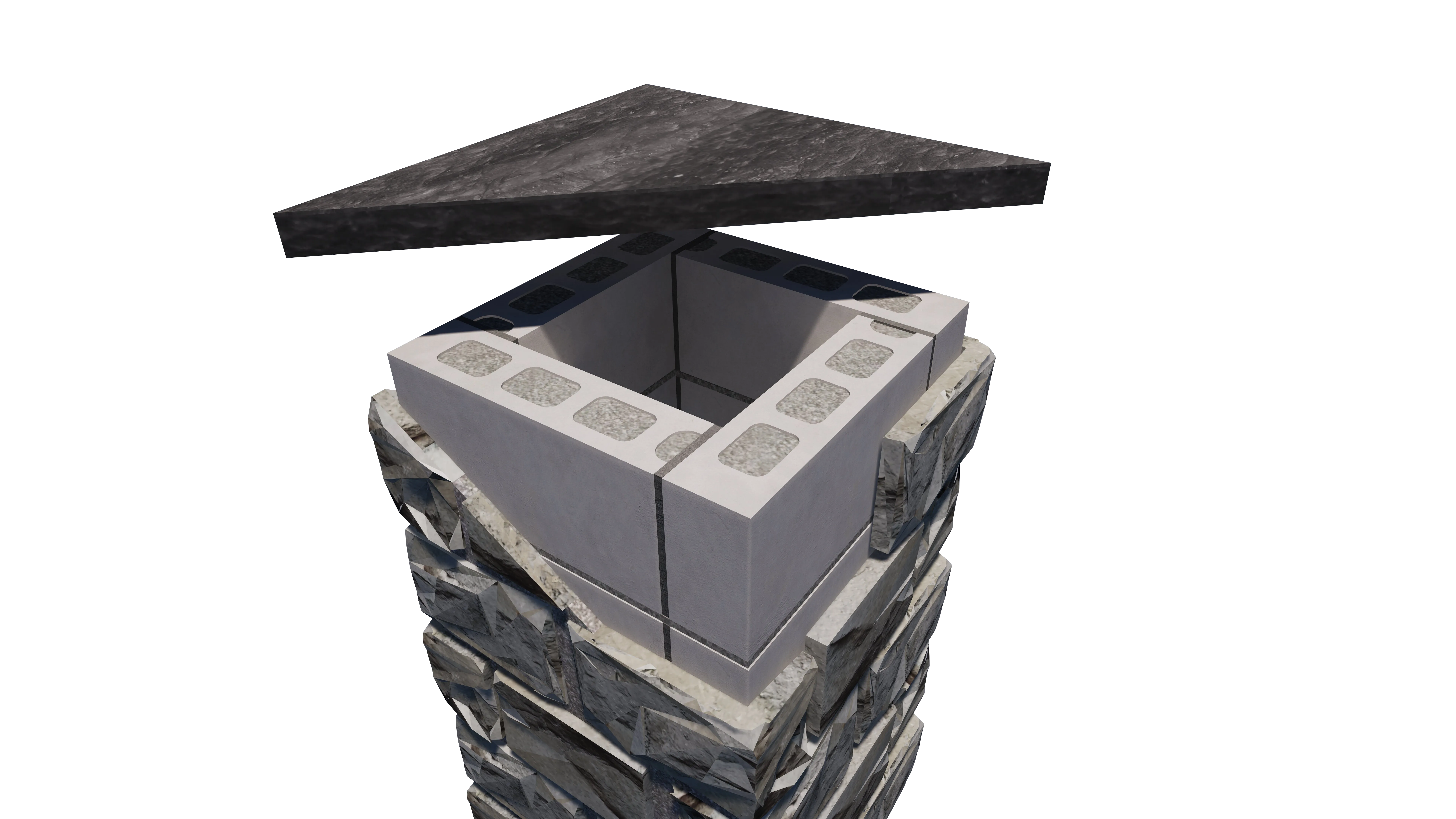
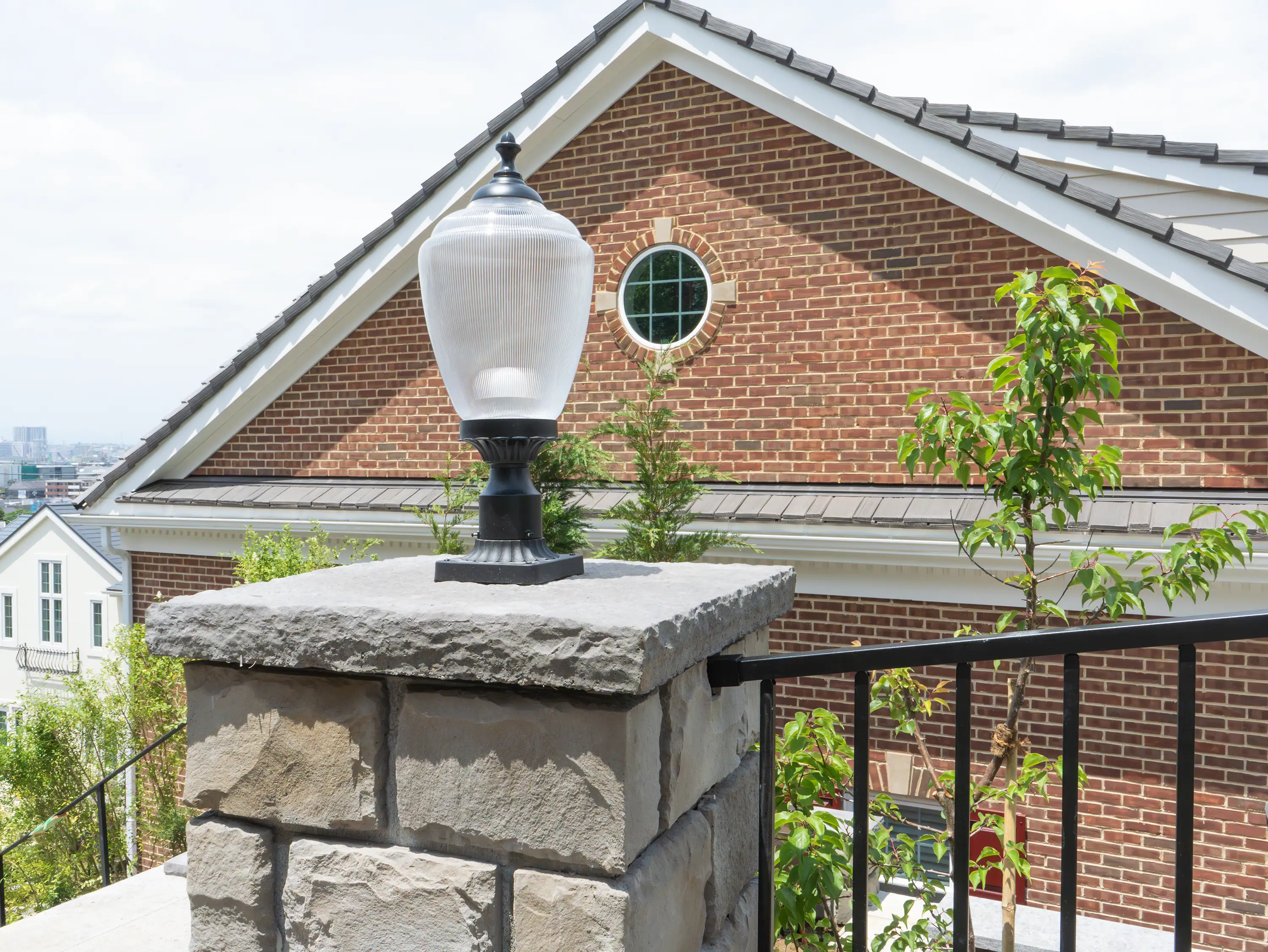
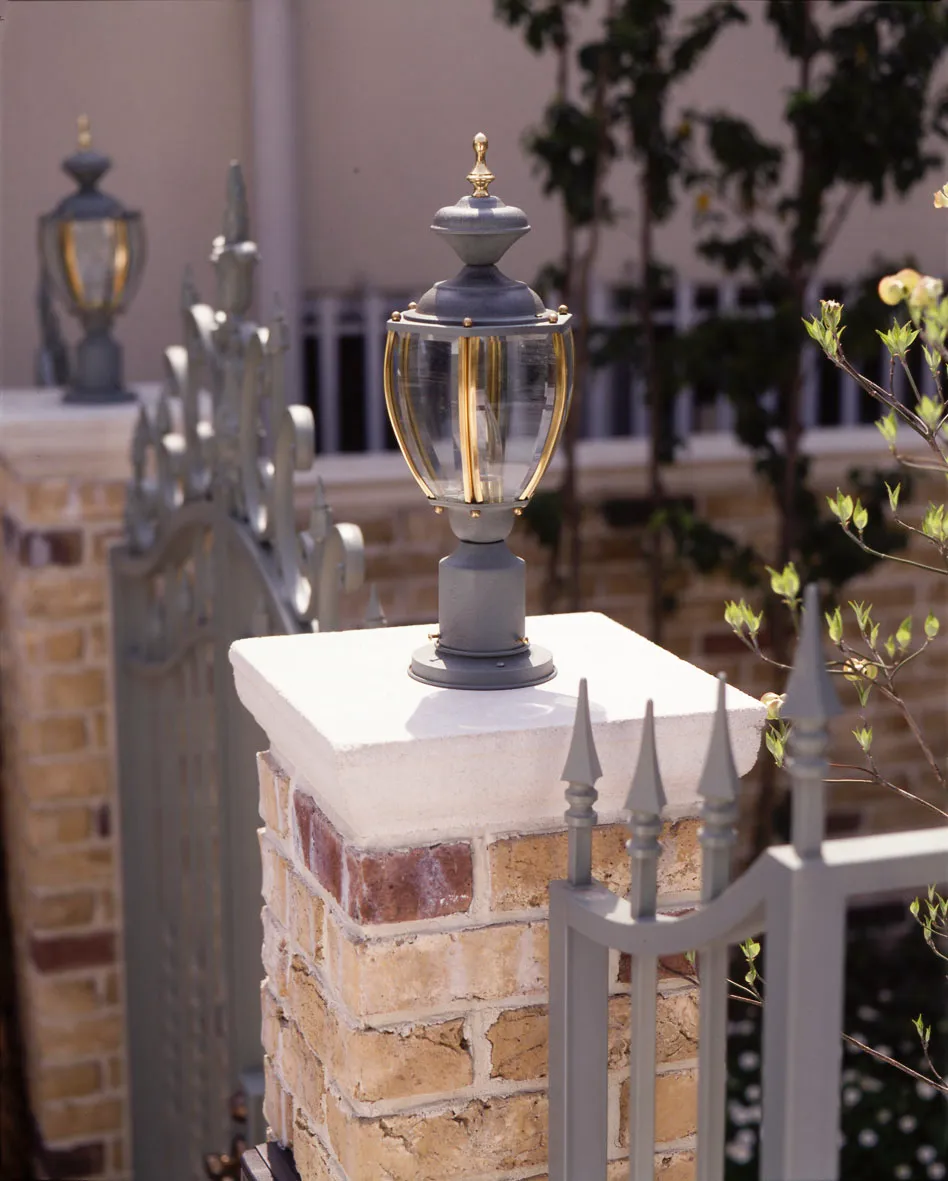
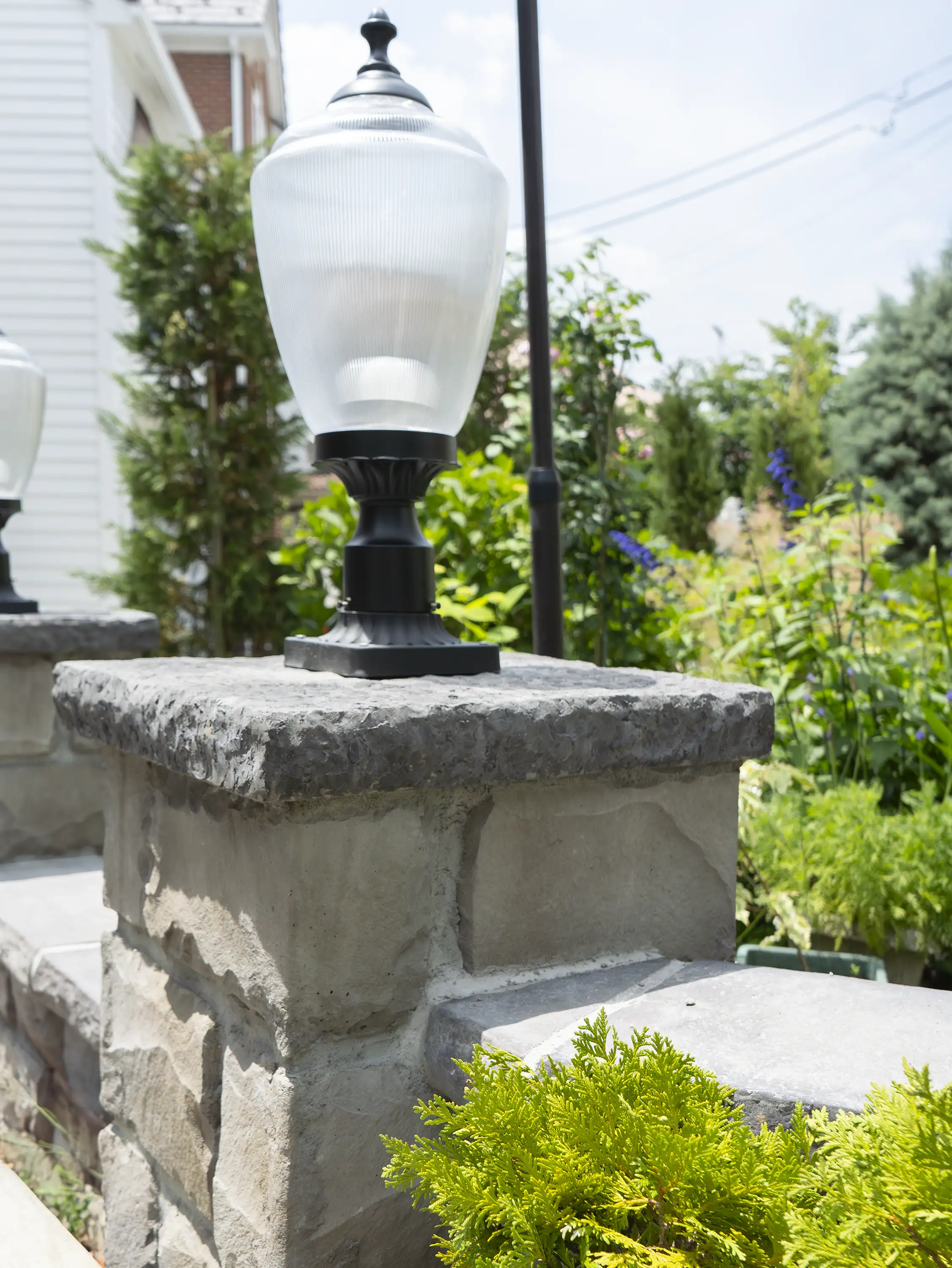
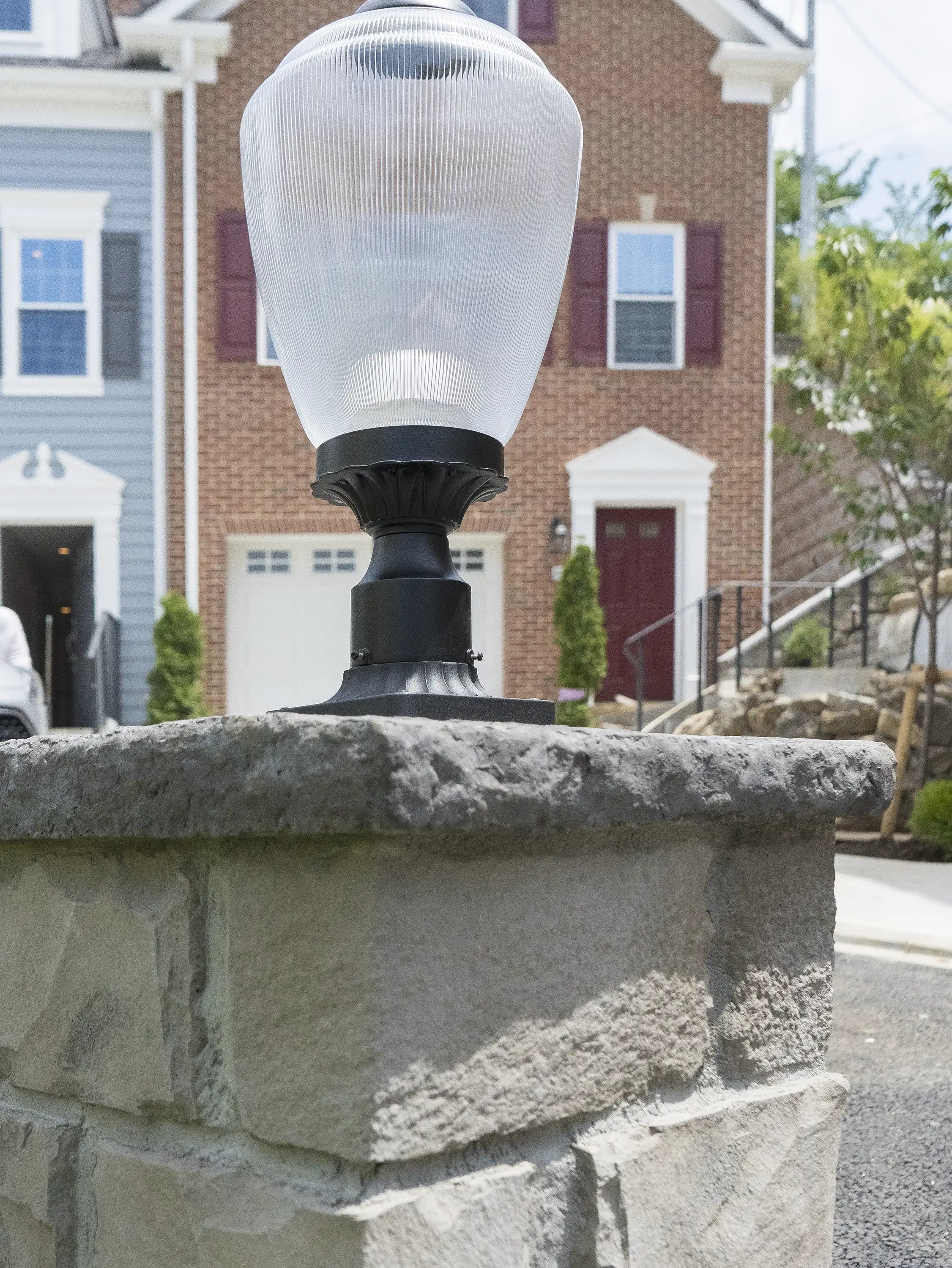
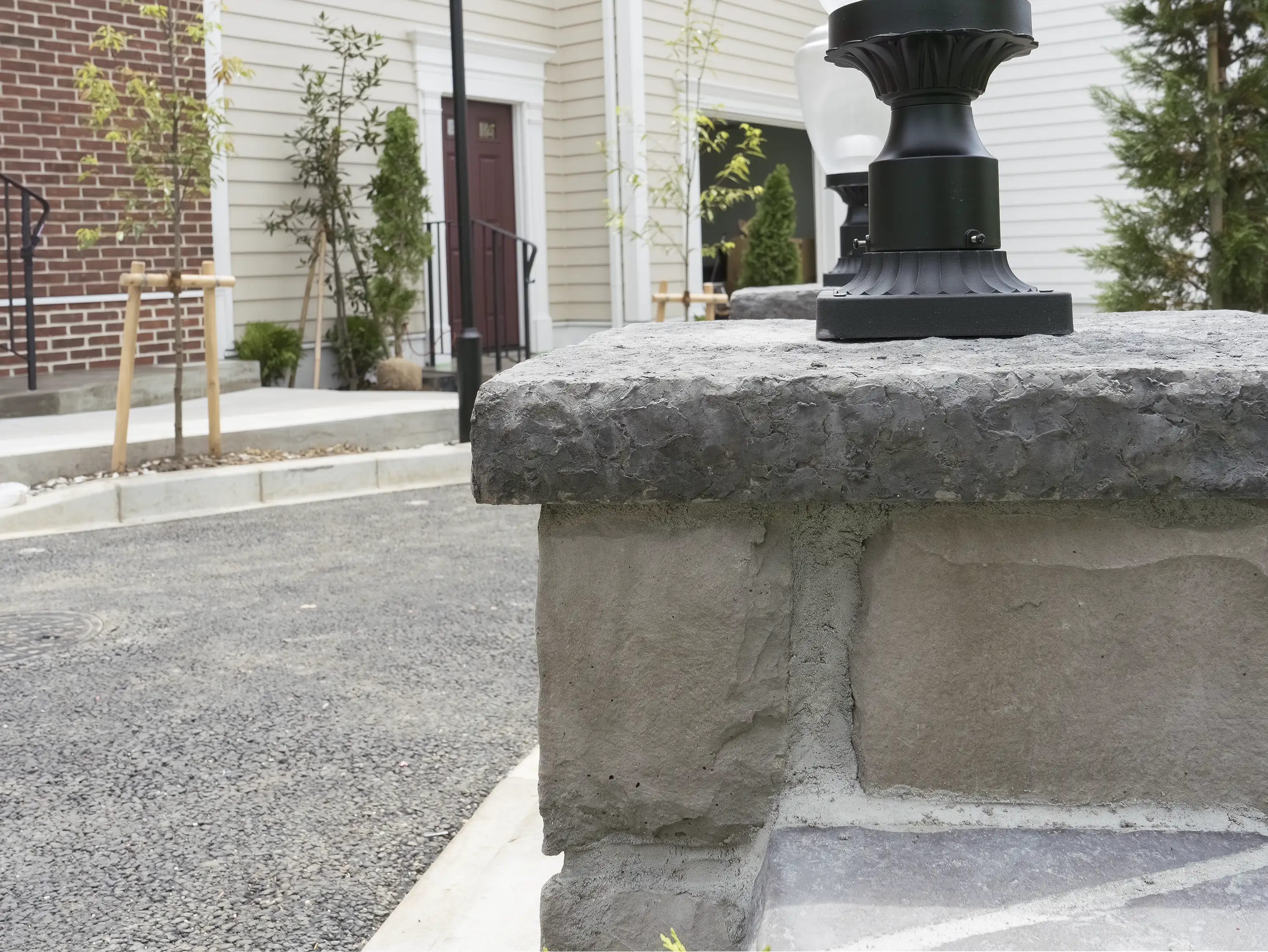
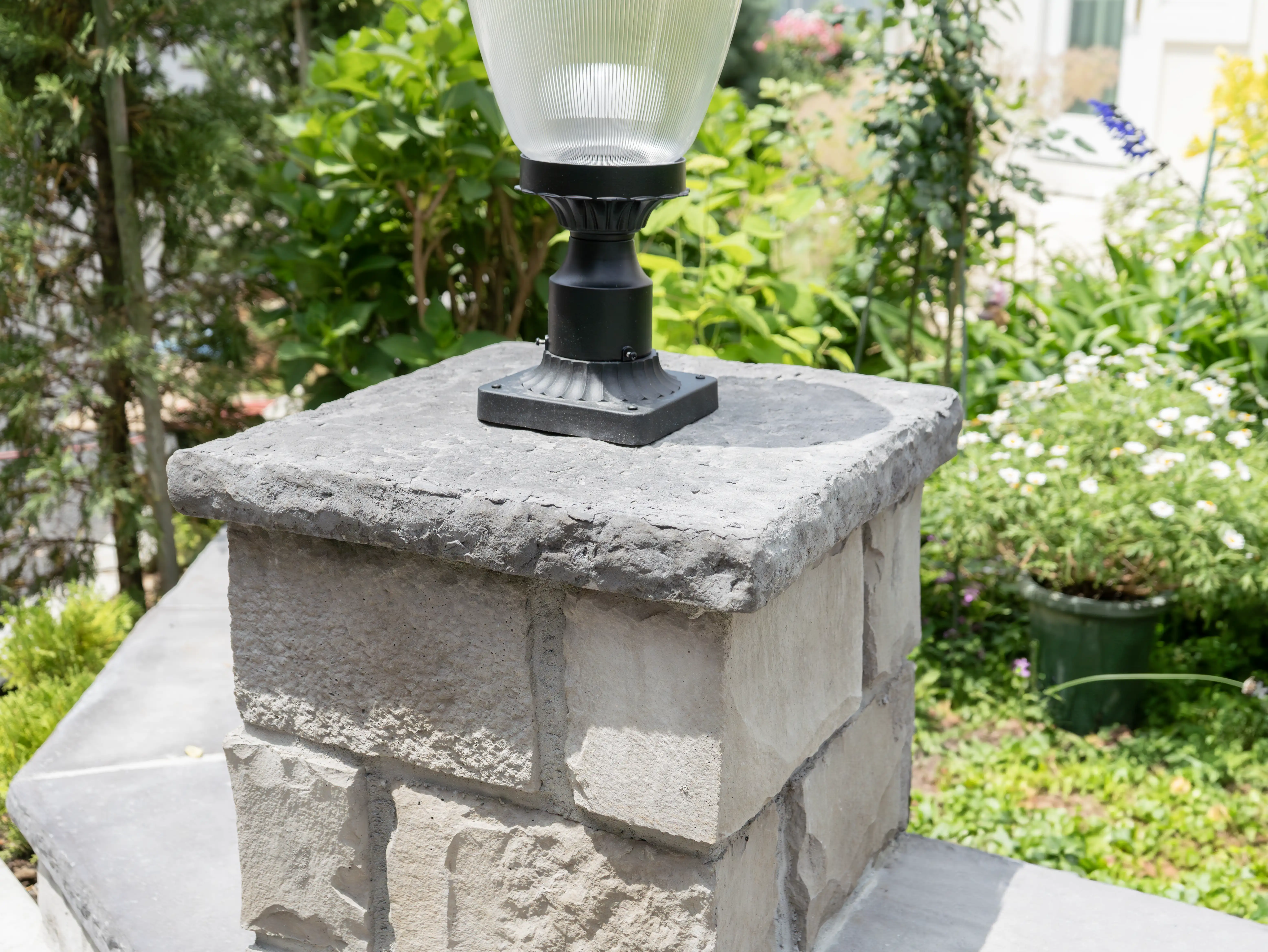
Literally, “Top Cap” means “cap for the top.” In residential exterior work, it usually refers to a component that covers the top of a vertical, post-like structure, such as a gatepost or freestanding pillar. In effect, it’s coping for a post (i.e., pillar-head coping), and the plate-shaped piece placed on top of a square gatepost is sometimes called a Top Cap. Exterior building products are, in fact, sold under names like “[Name] Cap (for [size] square posts),” referring to stone coping made for gateposts.
In shape, a Top Cap matches the cross-section of the post — square, round, and so on — protecting the top of the post from rain and sun while adding decoration. The meaning overlaps with kasagi/coping in general, but the term tends to be used specifically for the piece placed on top of a freestanding post.
What Is a Top Rail?
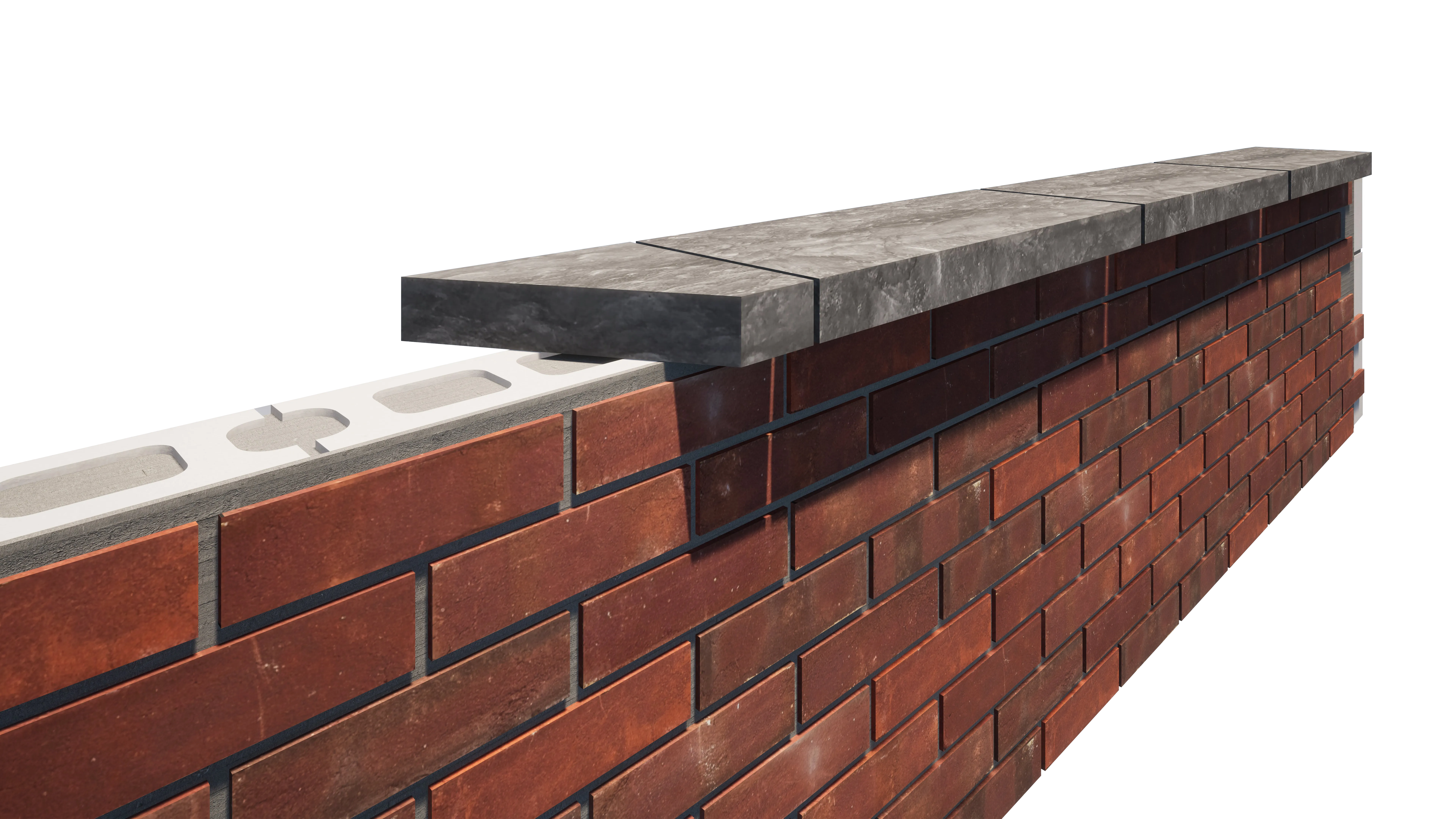
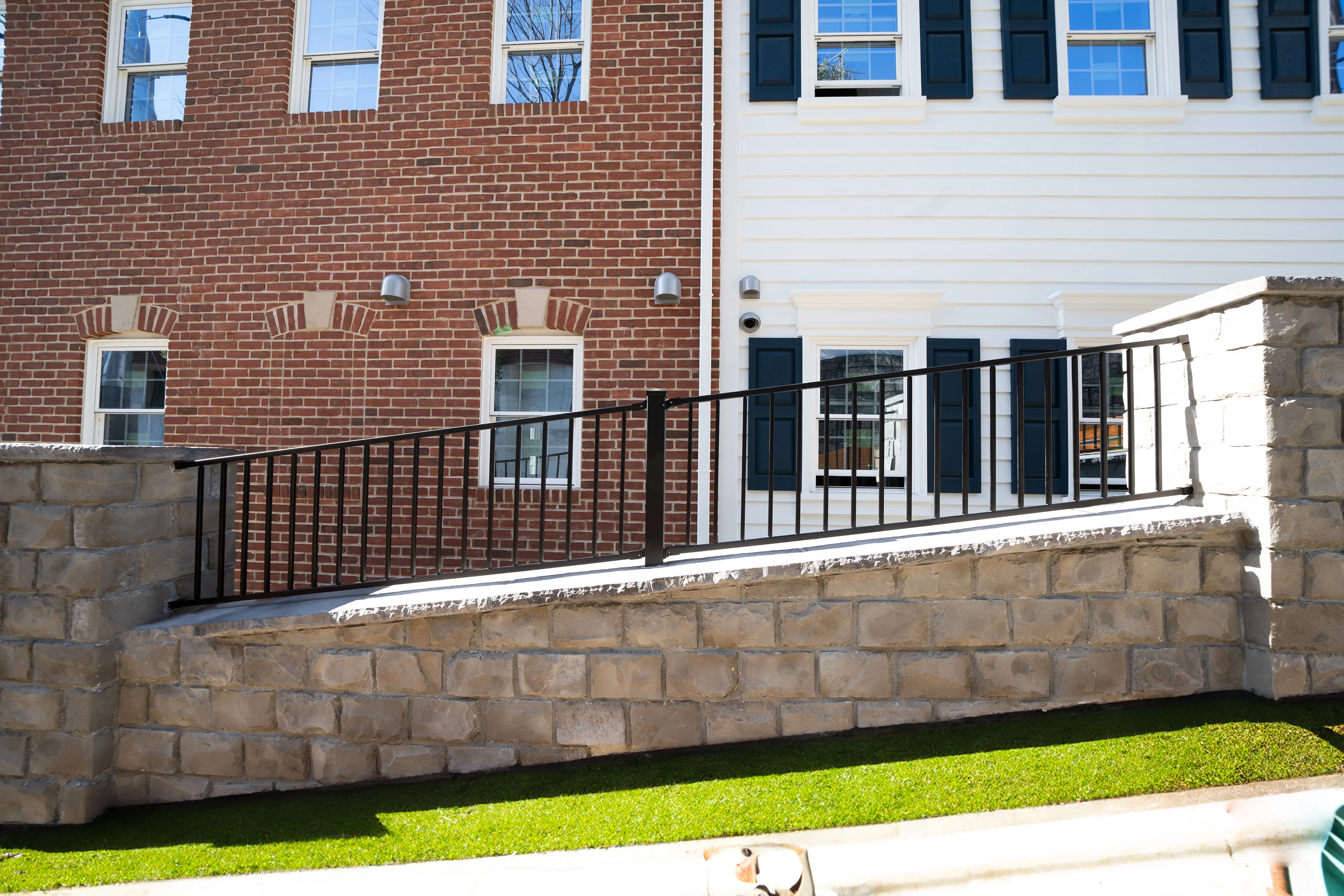
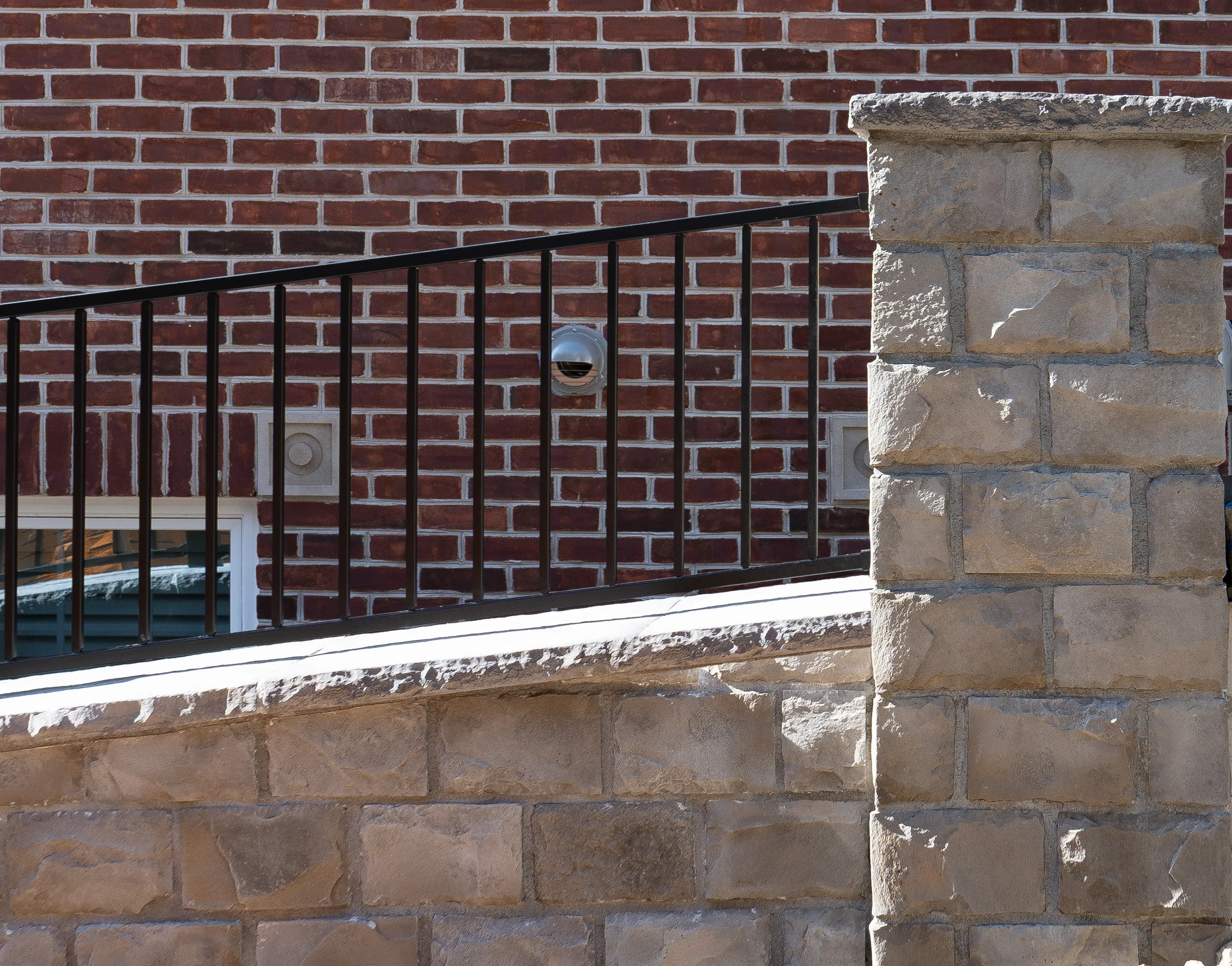
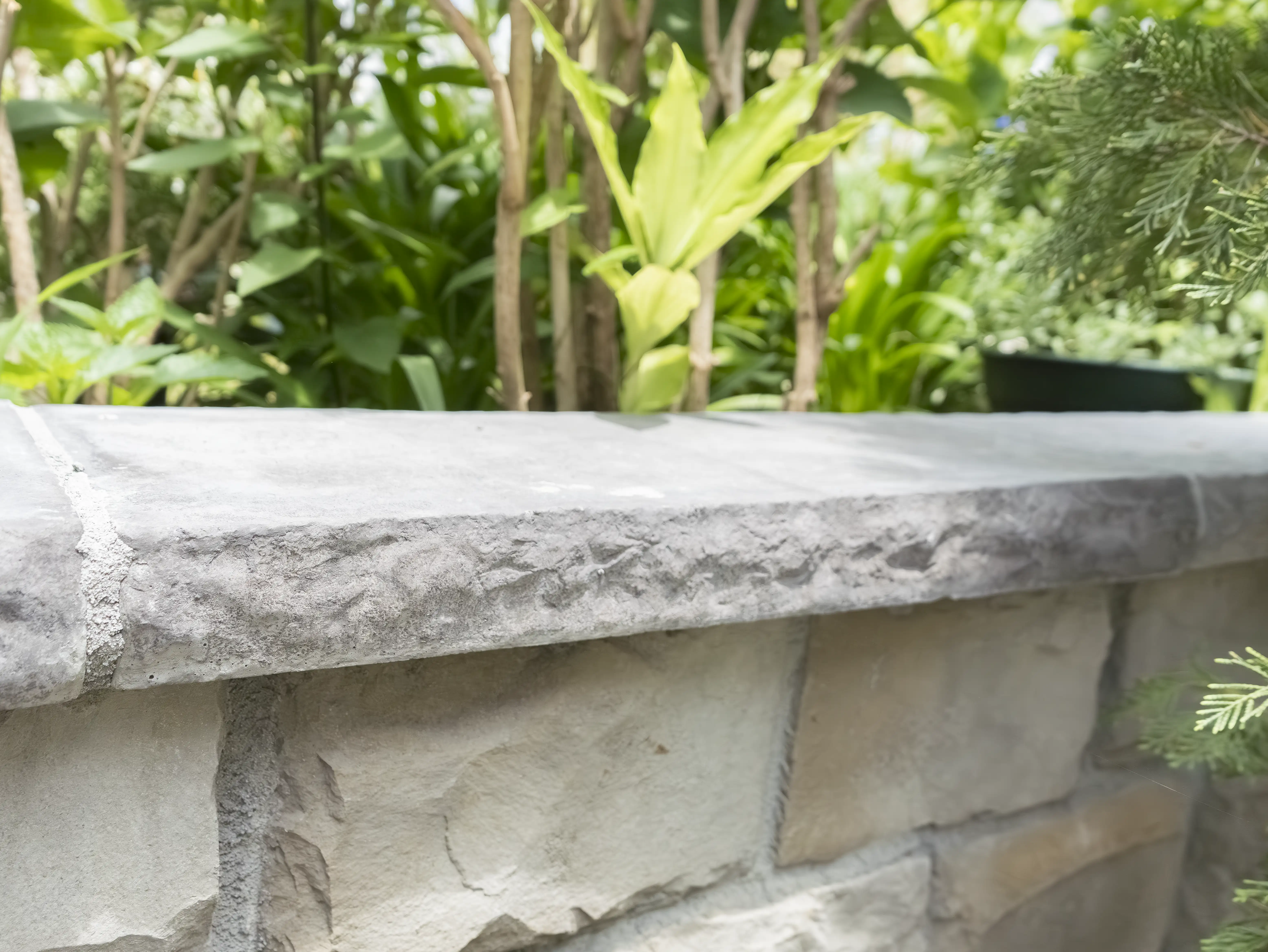
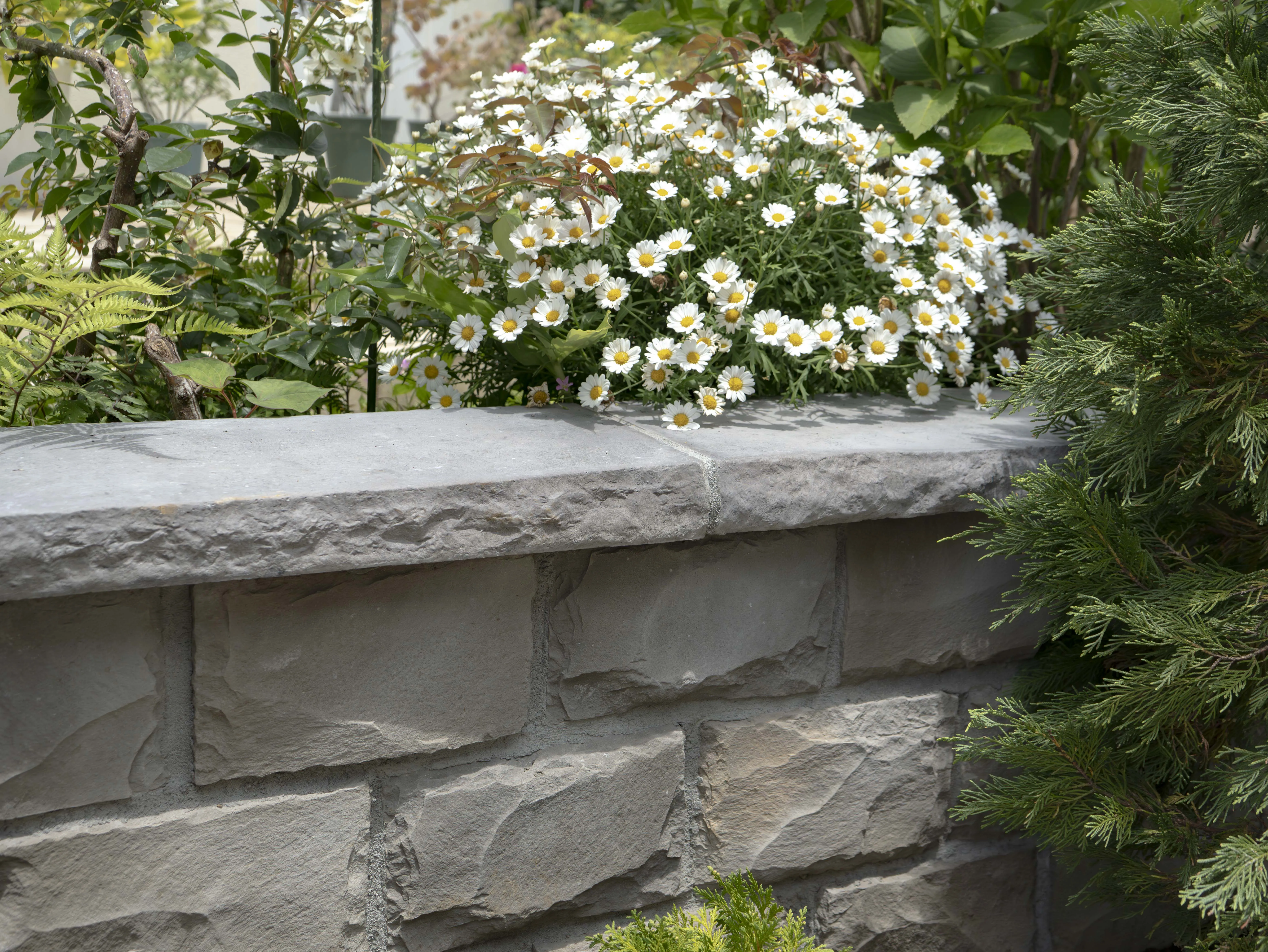
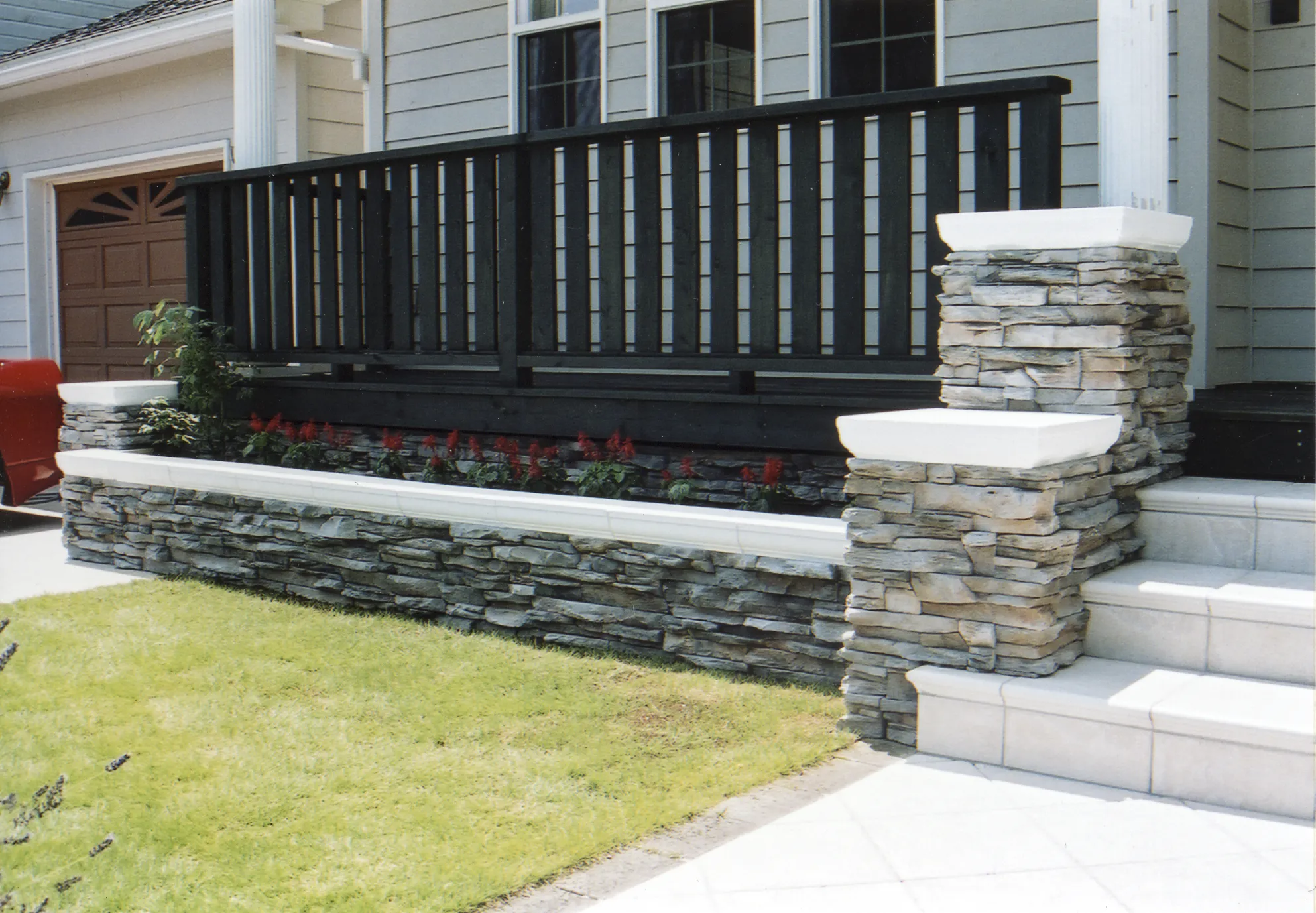
“Top Rail” literally means “top horizontal bar” in English. It has several uses in construction and exterior work, but the most common case refers to the top rail of a handrail. Some manufacturers, for example, use “Top Rail” for the handrail section — integrated with the coping — mounted on top of a balcony or veranda’s upstand wall (parapet).
In the context of our own product line, however, Top Rail means coping material laid continuously along the top of a long wall, such as a fence or retaining wall. Where the Top Cap described above is coping for a post, coping for a wall is positioned as Top Rail. The name carries the nuance of a rail-shaped piece of coping that can be laid in a long, straight run, and in English-speaking countries, too, the long, narrow stone or metal coping placed on top of a wall is sometimes called a “Wall Rail” or “Coping Rail.”
Kasagi, kasaishi, Top Caps, and Top Rails all share one thing in common: they’re cover materials that protect and decorate the top edge of a structure. The differences come down to naming by material (kasaishi, if it’s stone) and naming by use or shape (Top Cap for a post, Top Rail for a wall). The diagram below shows where each component sits.
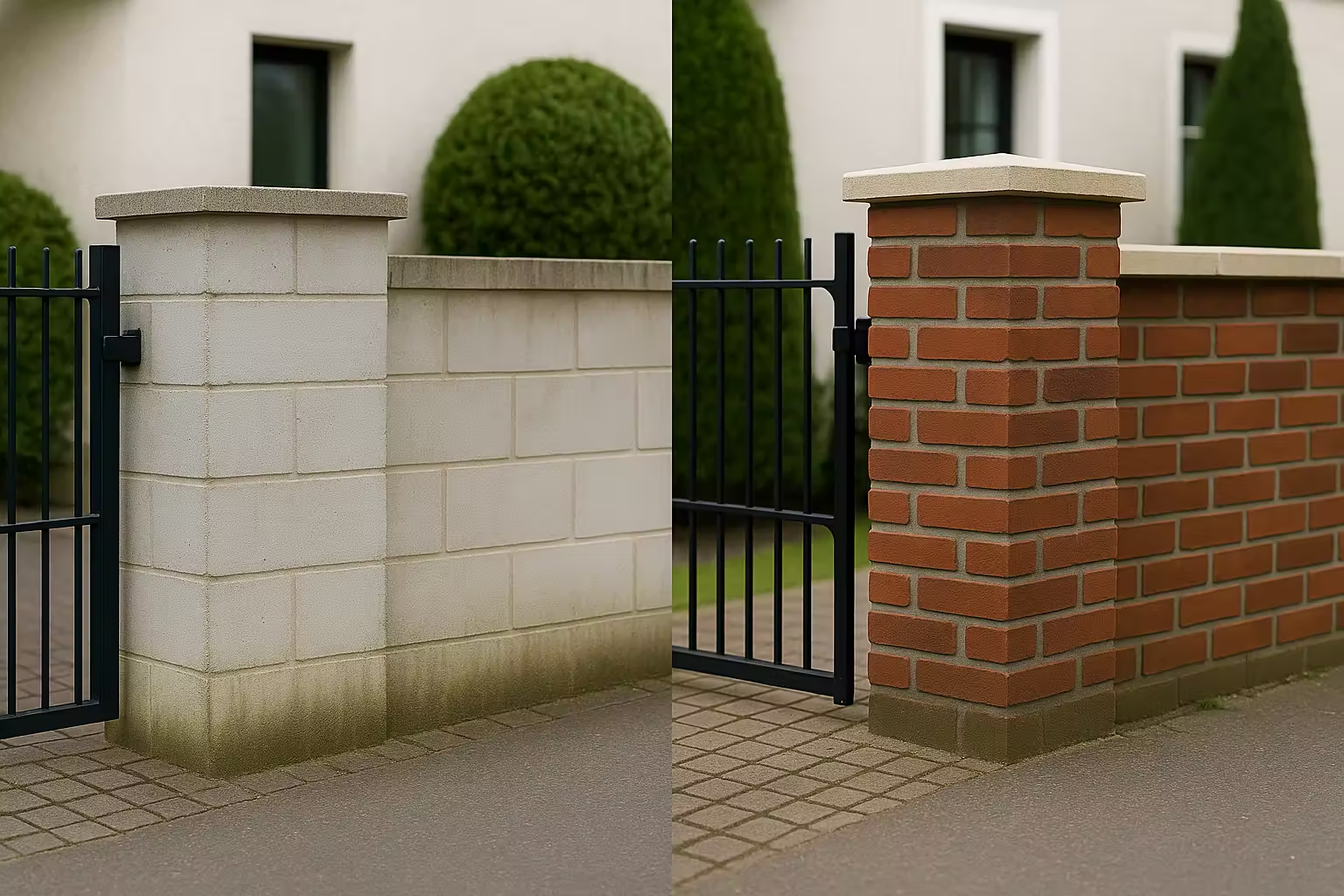
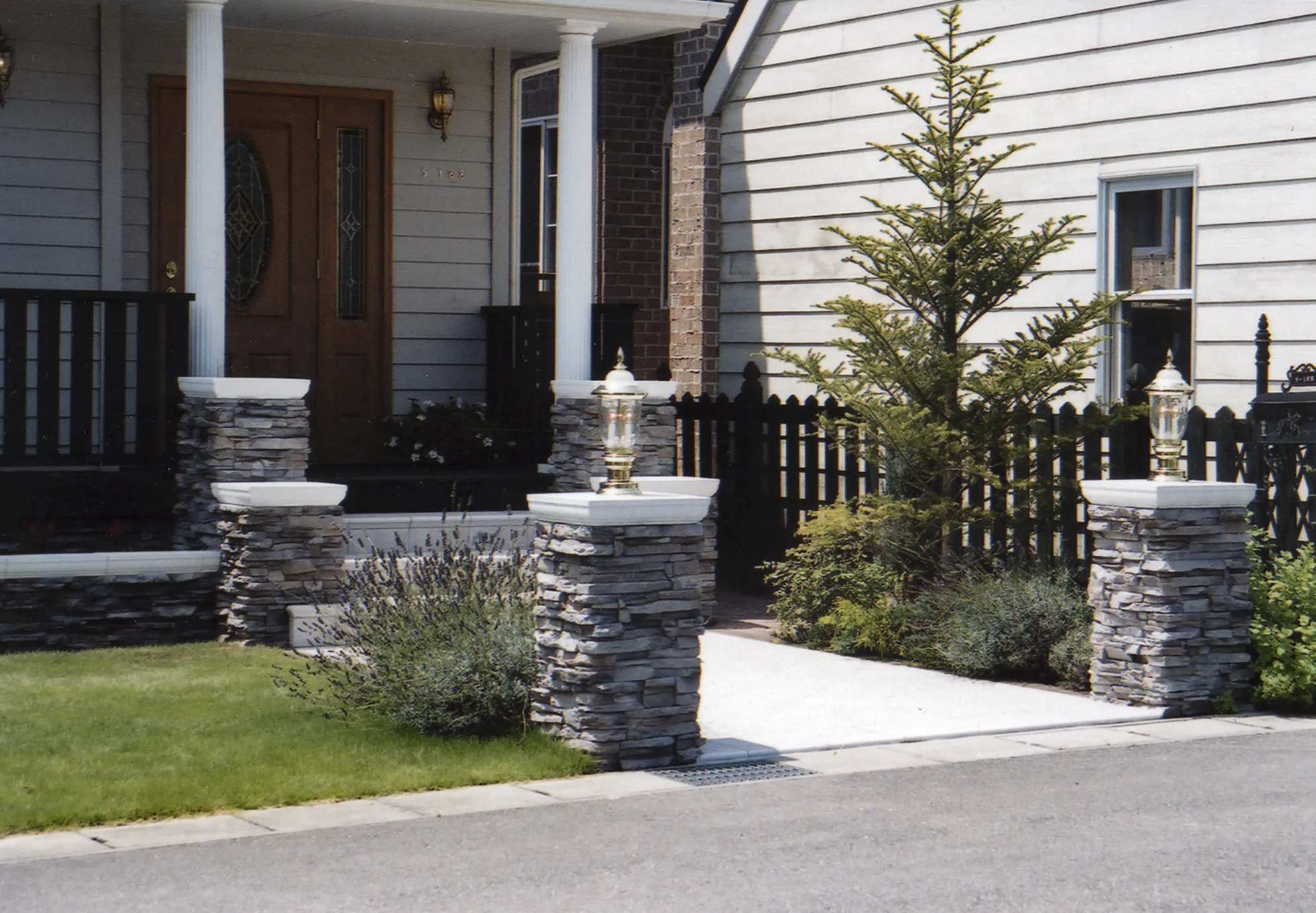
Figure: An example of installed coping (the gatepost and fence on the left have no coping; those on the right do). Simply placing coping or a Top Cap on top of a gatepost or fence tightens up the space and adds a sense of quality. As you can see, the visual impression of the gatepost and fence changes dramatically between the version without coping (left) and the version with it (right).
⊞ Photo above: An example of coping installed on a white fence and gatepost. The coping emphasizes the edge and gives the space a tighter, more finished look. Because rainwater drips off the coping, it’s less likely to run down the wall face and cause staining.
3 Benefits of Installing Coping (Its Role in Home Exteriors)
Next, let’s look at the specific effects and benefits of installing coping. Beyond simply “looking better,” note that it also plays an important functional role.
1. Preventing Rain-Streak Stains and Protecting the Structure
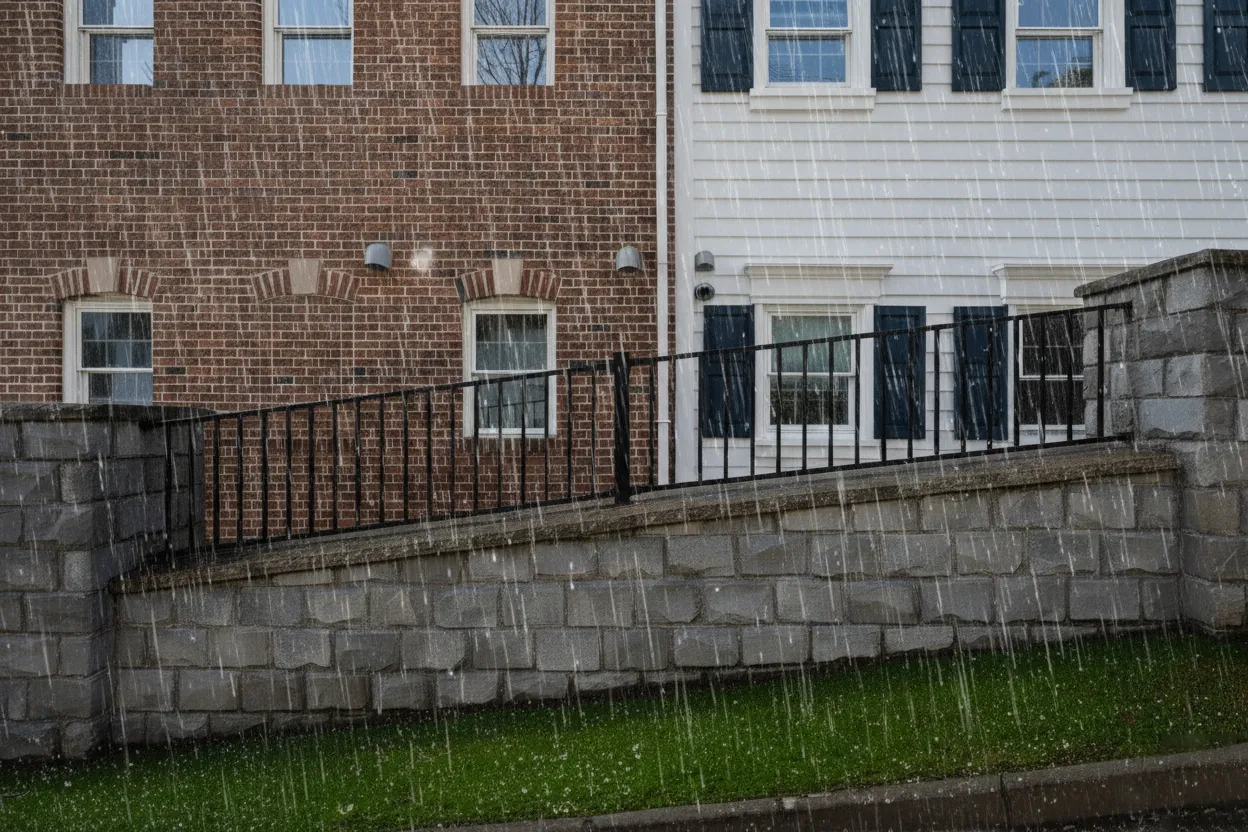
The primary purpose of coping is to protect the wall and structure from rainwater. Coping is typically made wider than the wall beneath it and installed so it projects out slightly. This lets rainwater drip straight off the coping instead of running down the wall face (the drip effect). As a result, it reduces rain-streak staining and helps prevent water from penetrating inside the wall.
In practice, fences without coping often let rainwater soak into the top surface, seeping into the concrete blocks and becoming a cause of deterioration or leaks.
2. Enhancing Design and Appearance
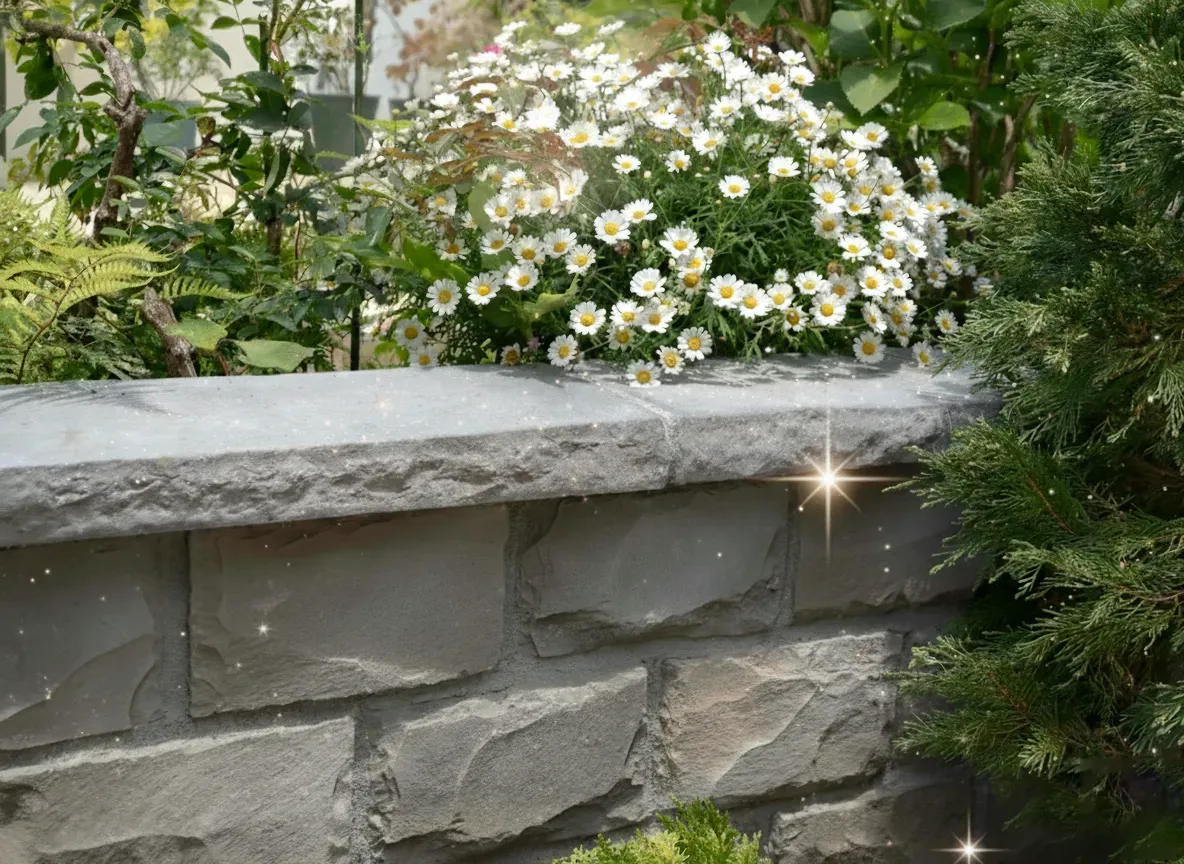
Adding coping also dramatically improves the beauty of the finish, another major benefit. Gateposts and fences in particular are the “face of the house,” clearly visible from the street, so a single design choice can change the whole impression.
For example, an exterior built entirely in matching shades of white can end up looking flat, but it’s said that simply adding coping on top — in a darker color or a different texture — sharpens the edges and tightens up the space. A gatepost that feels plain without coping can gain presence and a sense of quality just by adding an accent piece of coping on top.
In terms of decoration, manufacturers offer coping in all sorts of designs — from simple block types to Western-style tile finishes, natural-stone looks, and brick coping. Coping itself becomes a design item and can be seen as a key part that shapes the style of the whole exterior. If your gatepost feels a bit plain, adding stylish coping on top can completely change the mood.
3. Preventing Fence Staining and Maintaining a Beautiful Finish
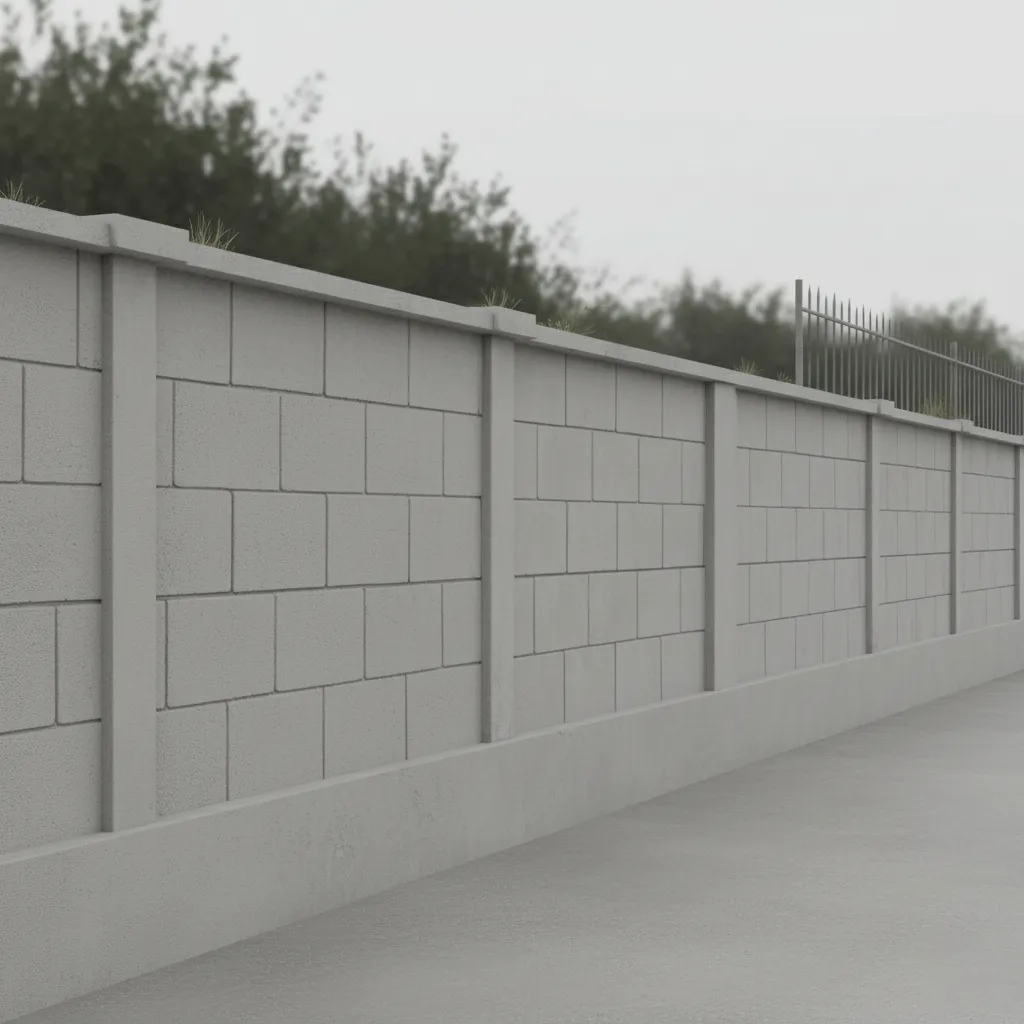
This overlaps with the waterproofing function described above, but coping is especially effective from the standpoint of preventing rain-streak staining. Black, streak-like stains on a fence’s surface can spoil the overall look. With coping installed, rainwater drips off the coping rather than running down the wall, helping to maintain a stain-resistant wall surface. In fact, some exterior contractors specifically recommend installing coping to keep a fence looking its best.
These are the main benefits of installing kasagi, kasaishi, Top Caps, and Top Rails. In short, coping is the unsung hero that “protects the home and extends its life while making it more beautiful.” That said, coping itself deteriorates over time, so the next section covers the characteristics and maintenance of each material.
Types of Coping and Characteristics by Material
Coping is not a single thing — there’s a wide range of types depending on the material and shape used. Let’s go over the characteristics, pros, and cons of each. Here we introduce the main types of coping by material.
Metal Coping (Aluminum, Stainless Steel, Galvalume Steel, etc.)
Metal coping is currently the most common type. Aluminum coping in particular is lightweight, rust-resistant, and highly durable, so it’s frequently used for balconies and rooftops. Stainless steel also resists rust well, and Galvalume steel — an evolved version of galvanized sheet metal — offers excellent rust resistance and durability at low cost, making it common for cover-method retrofits over existing coping.
The advantage of metal coping is its high waterproofing and weather resistance, giving it a long service life. On the downside, galvanic corrosion can occur where dissimilar metals meet, and the design can feel uniform. That said, many aluminum coping products now come with wood-grain laminate finishes, expanding the design options. Sharp, extruded aluminum coping tends to suit modern homes well, and its wide range of colors makes it easy to match your design.
Trivia: In Japan, aluminum system coping was introduced in the 1970s using German technology, marking a major evolution from traditional sheet-metal coping. ABC Trading’s “Alwitra” was an early pioneer, and it continues to evolve today as a high-performance, open-joint aluminum coping system.
Stone and Concrete Coping (Kasaishi)
Stone or concrete coping (kasaishi) is mainly used on gateposts, fences, and the edges of flower beds. Types include quarried natural stone, engineered stone (manufactured stone veneer), and precast concrete. Above all, it’s characterized by a heavy, substantial texture with real presence. Natural stone has a different character piece by piece, and it develops a pleasing patina over time. Many concrete kasaishi products these days also feature realistic stone-surface textures, combining strength and weather resistance with good design.
The advantage of stone or concrete coping is that it can add a sense of quality to the design of a gatepost or fence. Depending on the material, it can create anything from a natural look for a Japanese-style garden to a classic look for a Western-style home. On the other hand, because it’s heavy, it needs to be securely fixed during installation, and large pieces can be difficult to set by hand. Stains can also be hard to remove once they set in, so it’s a good idea to apply a water repellent or other maintenance treatment.
Brick Coping
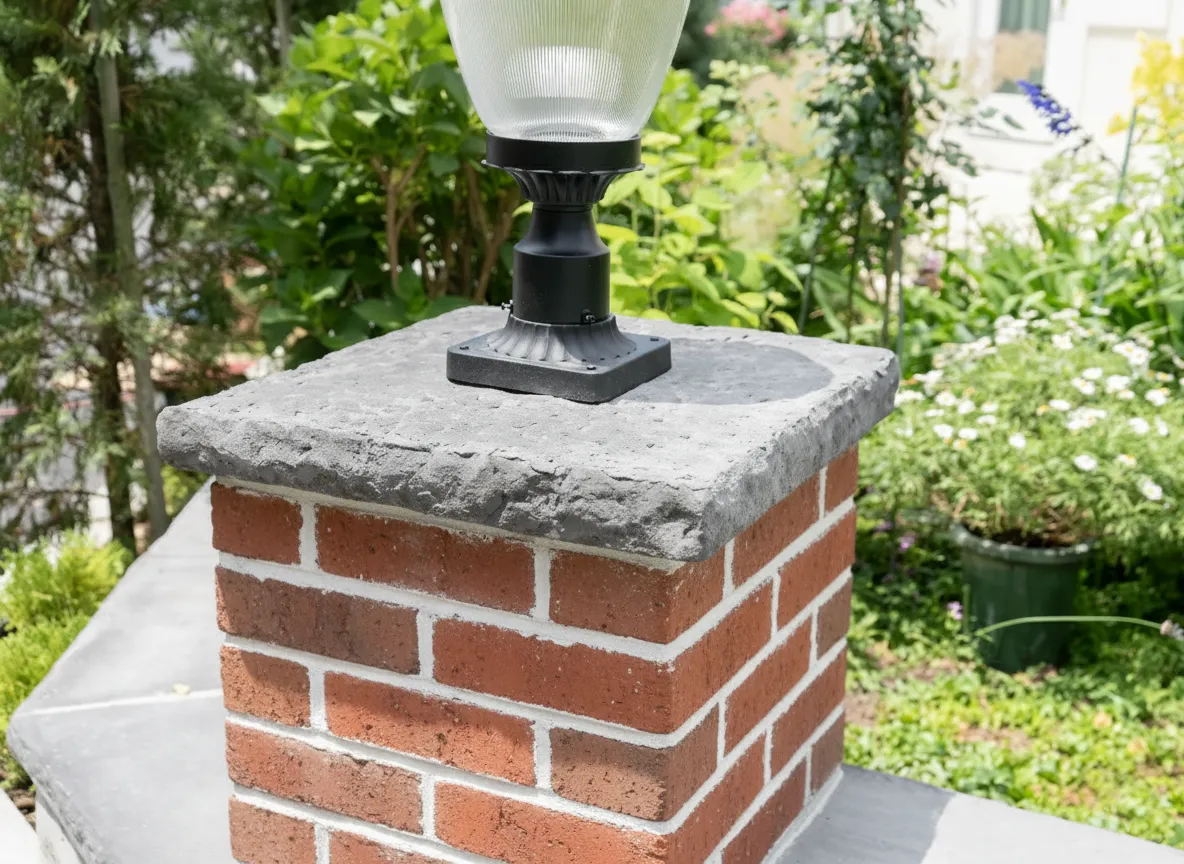
Bricks are sometimes laid side by side to form coping. This is especially popular in Western-style exterior designs and is used along the edges of flower beds or on top of curved fences. Brick coping gives a rustic, warm impression and pairs perfectly with a brick-built gatepost below.
The advantage of brick coping is that even with the same bricks, the bond pattern and cutting can produce many different looks. It’s a material that lends itself to design touches, such as using a contrasting color to define the edge or cutting the top into an arch for a softer look. On the other hand, watch out for rain-streak staining from the mortar joints, and expect to put in regular cleaning to keep its appearance up.
FRP Coping
One material that has emerged more recently is FRP (fiber-reinforced plastic) coping. FRP is a tough reinforced plastic also used in shipbuilding, characterized by excellent water and weather resistance combined with light weight. It offers a high degree of molding freedom, capable of reproducing fine details such as Western-style tile textures or wood grain, making it possible to create stylishly designed coping.
Because FRP coping is relatively new, there aren’t many installed examples yet, but it’s drawing attention as “lightweight, easy to install, corrosion-free coping.” One downside is the possibility of UV-related degradation over time (fading or exposed fibers), but this can be addressed with proper coating and maintenance.
That covers the main types and characteristics of coping. In summary, metal coping tends to prioritize function, while stone and brick coping tend to prioritize design. That said, more products in recent years combine both function and design — for example, aluminum coping finished with a wood-grain sheet. Choose the coping material that best fits your exterior style and priorities.
Coping Installation and Maintenance: Key Points and FAQ
Finally, here are some points to watch for during coping installation, along with answers to frequently asked questions (FAQ). Get a handle on proper installation and maintenance knowledge to help your coping last.
Key Points for Coping Installation
Adequate overhang and slope: Choose coping whose width extends beyond the base wall on both sides by an extra margin (a few centimeters or so), and ideally with a drip-edge shape on the underside. This keeps rainwater from creeping back and running down the wall face. It also helps to install the top of the coping with a slight outward slope, which improves drainage. Many ready-made products already come with a slope, so check before you buy.
Waterproofing mortar-set coping: If you’re building coping on-site by mortaring bricks or stone together, applying a water repellent to the surface can reduce staining and deterioration. Brick coping in particular has absorbency in the brick itself, so finishing with a clear water repellent makes it much less prone to rain-streak staining.
Coping Maintenance Q&A
Here we present frequently asked questions from users about kasagi, kasaishi, Top Caps, and more, along with their answers, in Q&A format.
Q1. Coping is just decoration — is it fine to skip it?
A. No, coping isn’t merely decorative. As explained above, it’s an important functional component for preventing rain-streak staining and protecting the structure. There’s no legal requirement to install it, but a fence or handrail wall exposed outdoors will deteriorate faster without coping. It also makes a big difference to the perceived quality of the finish, so we recommend installing it whenever possible.
Q2. What’s the difference between kasagi and kasaishi?
A. It comes down to whether the material is stone. As a matter of usage, coping made of stone is sometimes specifically called “kasaishi”. There’s no strict definition, however — it’s a customary naming convention among manufacturers and within the industry. For example, a product catalog might describe “natural-stone-look coping” as kasaishi. As explained in this article, the two serve the same function, so there’s no need to worry too much about the distinction.
Q3. What’s the difference between a Top Cap and coping?
A. The difference is in the naming, based on use and shape. A Top Cap, as explained above, is coping placed on top of a freestanding post, such as a gatepost. Coping, meanwhile, refers broadly to top finishing materials, including longer runs such as fences and handrails. In other words, it’s fine to think of a Top Cap as “coping for a post”. It’s also known abroad as a “pier cap,” but both terms refer to the same type of component.
That covers some basic questions and points to note about coping in Q&A form. To close, let us introduce a few features of our own **“Top Cap & Top Rail” products**.
Features and Appeal of Our Top Cap and Top Rail Products
Photo: An installation example of our “Top Cap & Top Rail” products.
This example uses stacked-stone-look concrete coping on top of a fence. It has the look and texture of natural stone while offering the high durability that only concrete can provide. It gives the top of a gatepost or fence a stylish look while keeping rainwater out and curbing deterioration inside the fence.
Our Top Cap and Top Rail products are high-performance coping materials that take your exterior finish up a notch. Here’s a quick summary of their features.
Realistic stone-look design: We reproduce the texture of andesite in concrete, giving it a sense of weight comparable to natural stone. The coloring carries the subtle color variation found in natural stone, so the finished result never looks monotonous once laid (each piece varies slightly in shade, and the resulting unevenness is part of the beauty).
High weather resistance and durability: Being made of concrete, it’s strong and designed to resist deterioration even after years of exposure to wind, rain, and direct sunlight. It also has a painted surface finish, so fading and weathering happen slowly. Unlike metal coping, there’s no risk of rust. It keeps a beautiful appearance for years to come while firmly protecting the structure underneath.
Easy installation (modular design): Our Top Cap (post coping) products are designed with dimensions matched to the recommended concrete block size of 390×190×100mm, and they’re made to fit perfectly on a 500-square gatepost. Since no on-site cutting is required, offcut waste is kept to a minimum, so installation goes smoothly and the finish looks beautiful. Top Rail (wall coping) is also available in standard sizes for both straight sections and corners, with joint components that keep seams finishing cleanly.
Wide range of variations: We offer a range of stone-look color variations and different surface finishes. You can choose options such as a slightly rounded form or a sharp, linear profile to match the design of your home. Multiple designs can also be combined to create a one-of-a-kind exterior.
Top our gatepost with our Top Cap product and edge the whole fence with Top Rail, and your exterior design gains a unified look that elevates the whole landscape. And of course, it’s not just about appearance — the essential coping functions of preventing rain-streak staining and protecting the structure are fully covered as well. We’ve heard from customers that “installing coping helped curb the fence’s deterioration” and that they’re “satisfied with the added sense of quality.”
If this has piqued your interest even a little, please take a look at our product page (Top Cap & Top Rail). It includes details on sizes and colors, along with installation photos. Whether you’re planning a new-build exterior or want to add coping to an existing garden renovation, please feel free to reach out.
Summary
We’ve covered the keywords “kasagi,” “kasaishi,” “Top Cap,” and “Top Rail” comprehensively — from the basics to their role, benefits, types, and installation points.
Coping is an unsung supporting player in home exteriors. It may not stand out much day to day, but its presence or absence makes a big difference to both appearance and durability. It plays an important dual role — adding a design accent to gateposts and fences, and protecting the home from wind and rain.
We hope you’ll use this article as a reference when choosing the best coping or Top Cap for your own exterior plan. We’ve touched on top-ranking related information and common user questions along the way, so hopefully this has answered everything from basic questions like “what is coping?” to more specific concerns like “how do I choose?”
Thank you for reading to the end. We offer stone-look Top Cap products that combine design and function, so please feel free to contact us if you’re interested. We’d be glad to help beautifully protect your treasured home.
Latest Articles
View All
CONTACT
General Inquiries