

Restaurant Interior Design with Brick Tile: How to Create a Stylish Space
In restaurant interior design, brick tile is a popular material that adds warmth and character to a space through its distinctive texture. In this article, we introduce ideas and design tips for using brick tile to create a comfortable, inviting restaurant space.
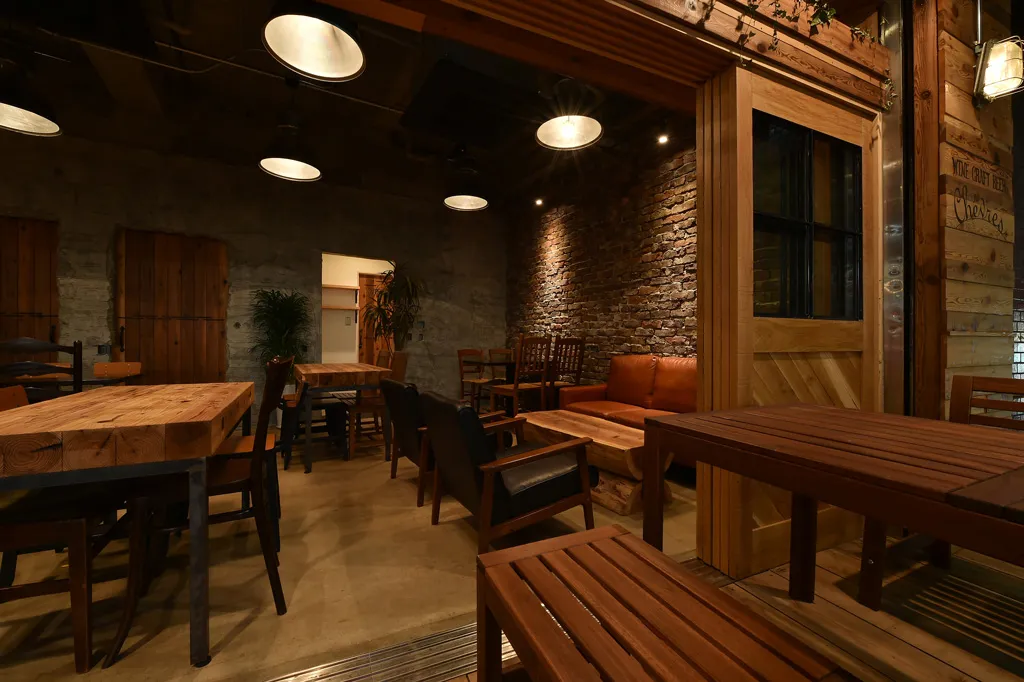
The Appeal Brick Tile Brings to Restaurants
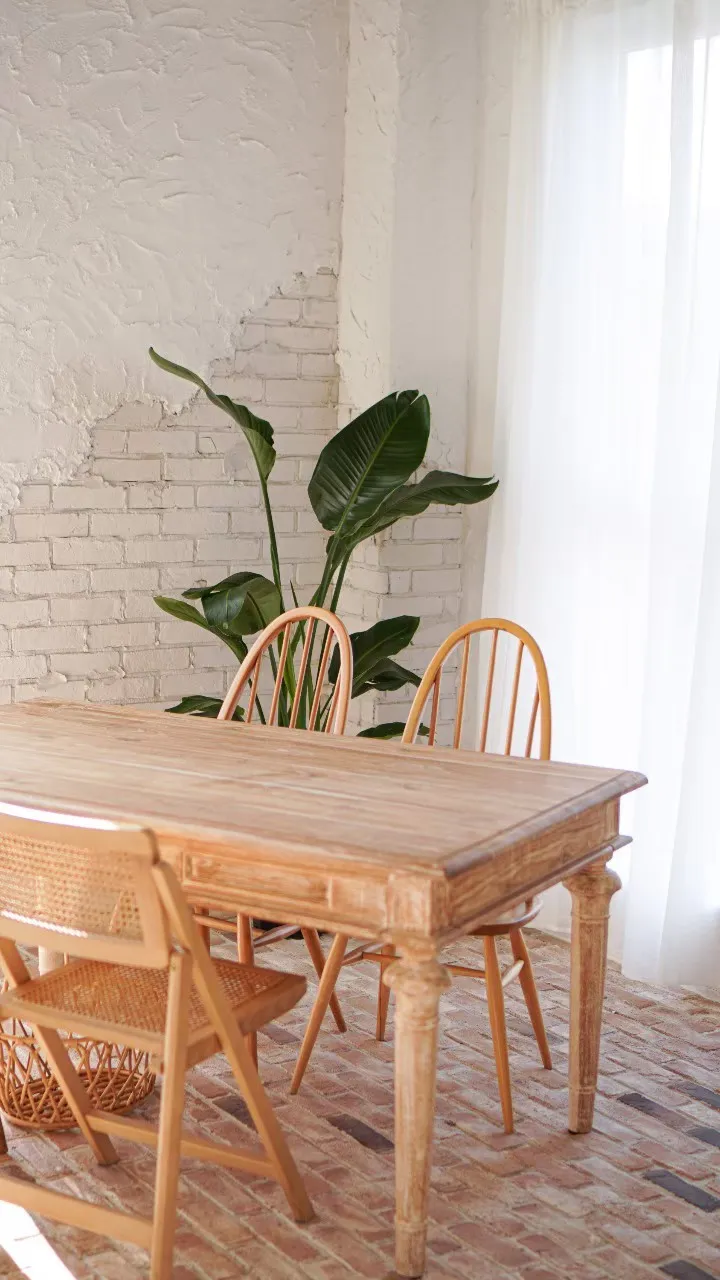
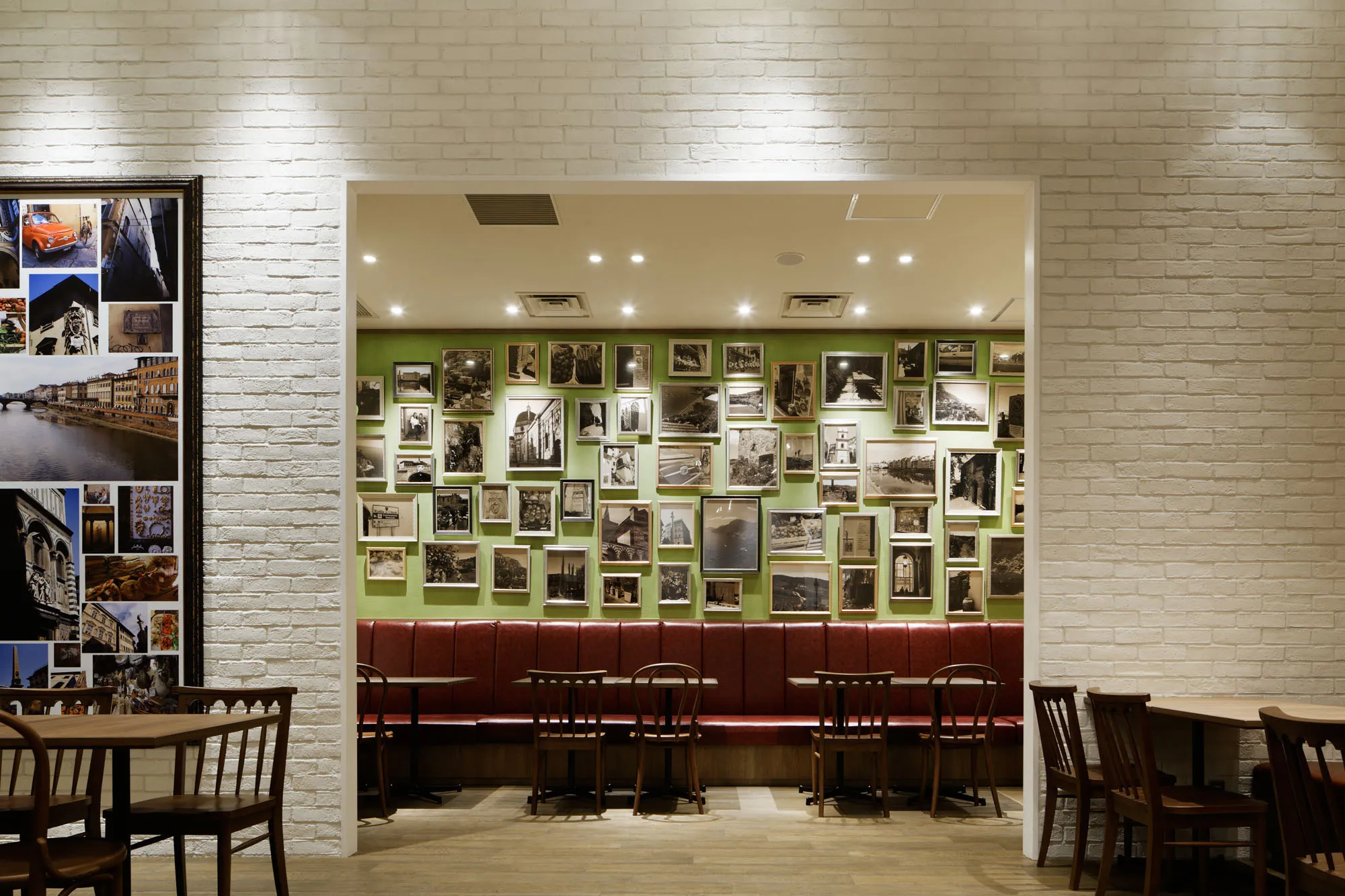
White Brick Tile Is Versatile!
Brick tile brings restaurants the same warmth and relaxed atmosphere as a café.
White brick tile in particular brings out this effect to the fullest.
The cleanliness and brightness of white transform the entire space into a clear, comfortable impression, making mealtimes feel more special. It also pairs well with natural light, helping the interior appear bright and open.
Brick tile also blends well with other interior materials, and combining it with wooden furniture or houseplants can create an even more relaxing space. Using indirect lighting effectively brings out a warm atmosphere, achieving a comfortable space that makes guests want to linger.
It Can Also Serve as Your Shop’s Signature Look.
Brick tile is more than just a wall material — it’s an important tool for expressing a restaurant’s individuality. The color, shape, and layout can dramatically change the impression of a space, offering nearly limitless possibilities. For example, using vintage brick-style tile can create a space with the character of age and history.
The uneven texture of brick adds depth and warmth, creating a unique atmosphere unlike any other.
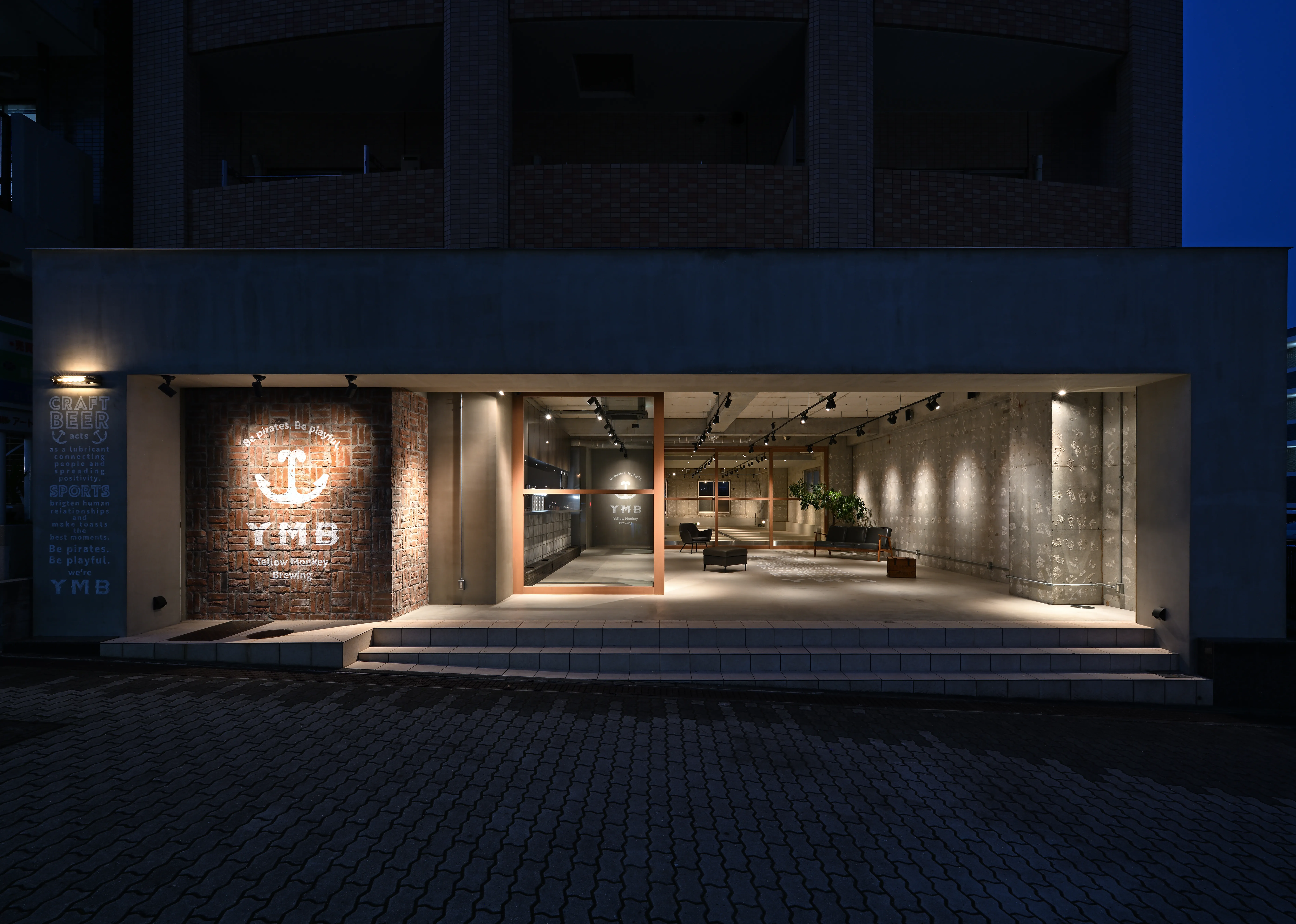
On the other hand, for a modern restaurant, using monotone-design brick tile is another option.
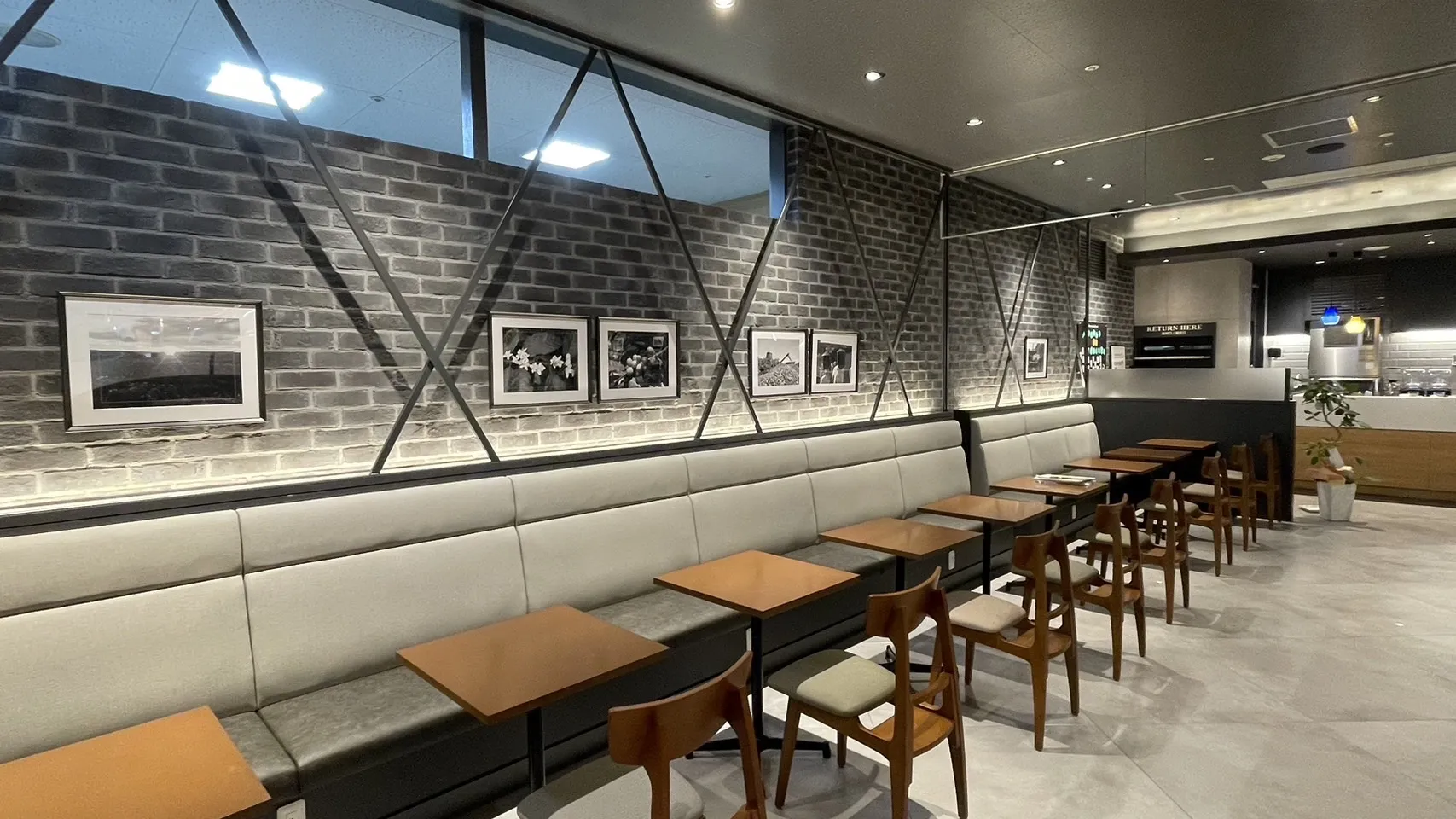
This creates a refined impression and a stylish space. Furthermore, creative layouts for the brick tile can generate movement and rhythm within the space. Incorporating creative ideas such as herringbone patterns or random arrangements makes it possible to create an even more distinctive space.
Brick tile is a material that can be freely adapted to match a restaurant’s design concept.
Key Points for Choosing Brick Tile
Decide on Your Design Direction
When choosing brick tile for restaurant interior design, the first step is to clarify the overall design concept. It’s important to think concretely about what kind of atmosphere you want the restaurant to have and who your target customers are. For example, if you’re aiming for a warm atmosphere, classic red brick tile or textured antique brick with surface unevenness are good choices.
The natural reddish tone unique to brick gives the space warmth and a sense of calm.
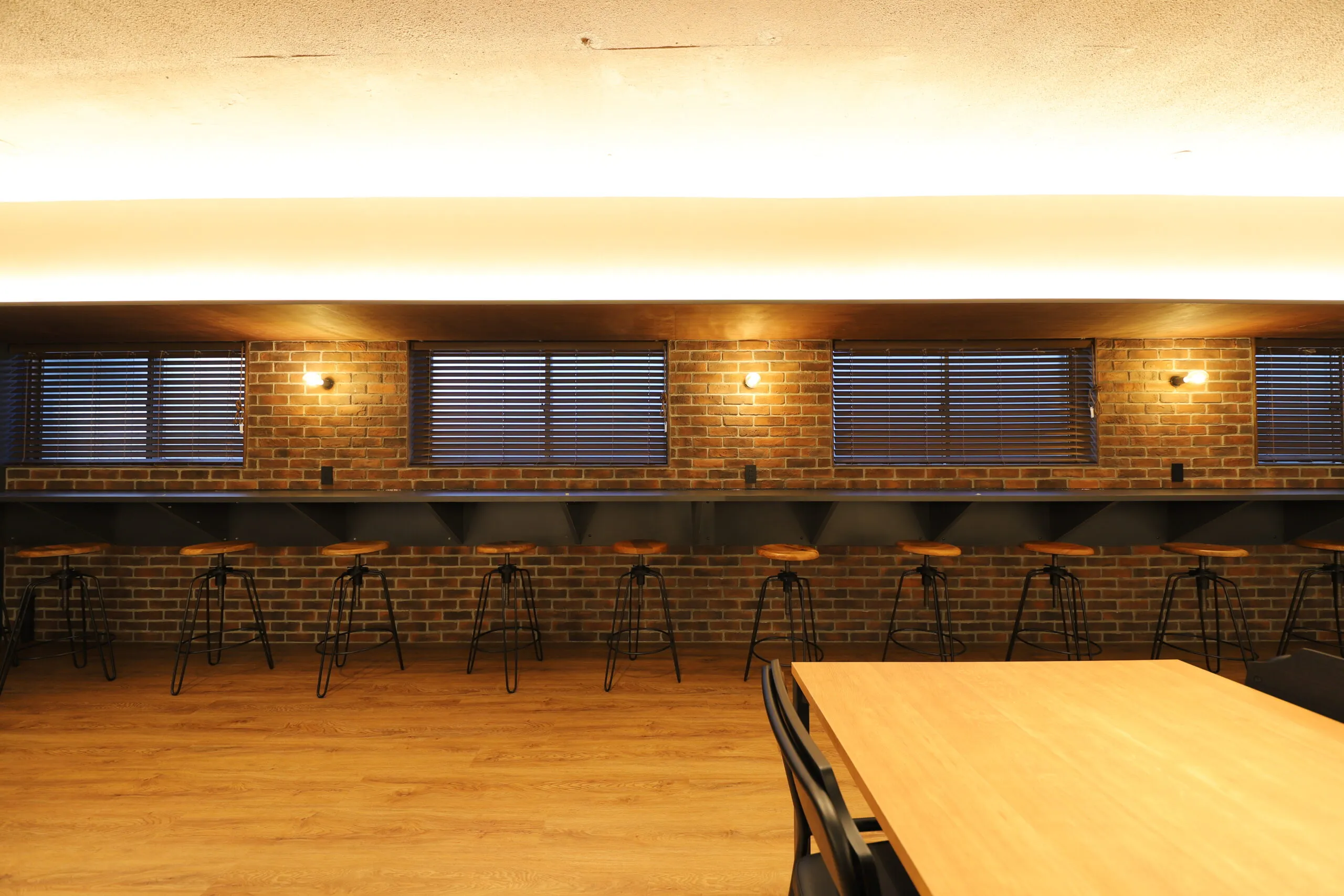
On the other hand, if you’re aiming for an urban, refined atmosphere, monotone-colored brick tile in gray or white, or tile with a smooth surface, would be a good choice.
These tiles give a stylish, modern impression and create a refined space. It’s also important to devise the shape and layout of the brick tile to match the restaurant’s concept.
For example, incorporating creative ideas such as herringbone patterns or random arrangements makes it possible to create an even more distinctive space.
Understand the Types and Characteristics of Tile
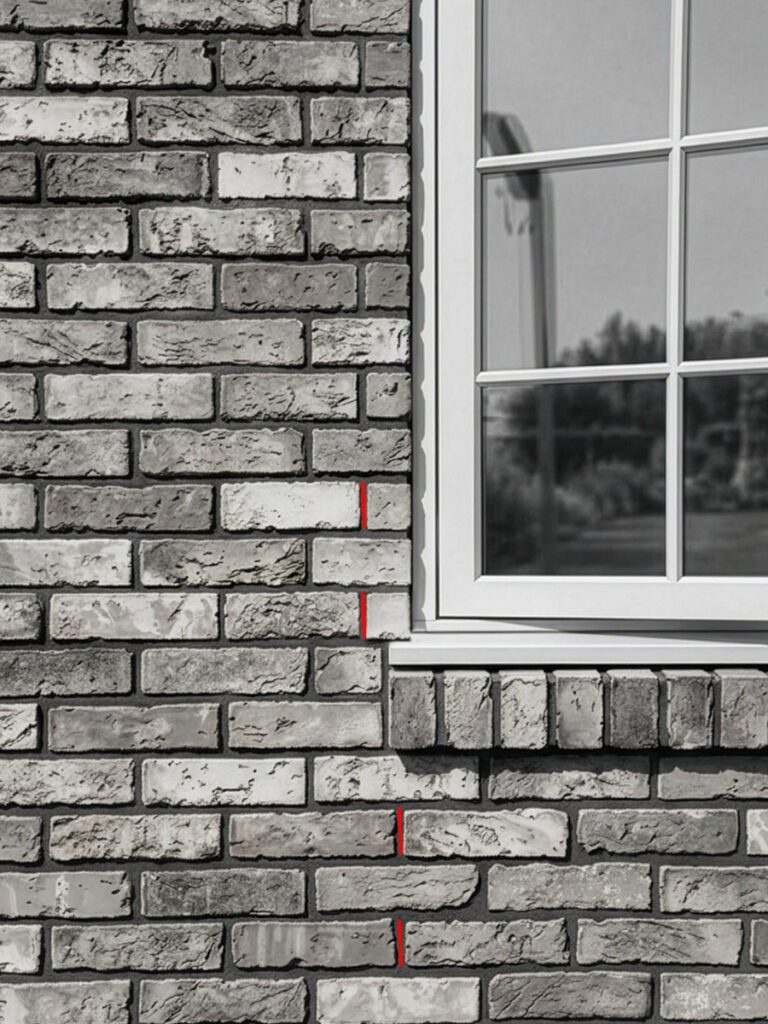
There are various types of brick tile, each with different characteristics. The main types include sliced brick, made by thinly slicing real brick, and brick tile made of cement. Sliced brick offers the texture and character unique to real brick, making it ideal when you want to create a space with the feel of age and history.
However, because it has some thickness, installation requires a certain amount of space. Cost also tends to be higher, since it is sliced from brick that has already been fired once.
Precast concrete brick tile has the advantage of being relatively lightweight and easy to install.
It also comes in a wide variety of colors and designs, making it easy to match to different spaces. Because it offers excellent water resistance and durability, it can be used with confidence on exterior walls of shops as well. Manufacturers carry many different types of brick tile. It’s important to see and touch the actual products at a catalog or showroom to understand each one’s characteristics.
Installation Methods and Cost of Brick Tile

Brick tile installation affects not only appearance but also safety and durability significantly, so it must be done carefully when used in commercial spaces. Those confident in DIY can attempt it themselves, but we generally recommend hiring a professional contractor.
A professional contractor achieves a beautiful finish through proper substrate preparation, adhesive selection, and precise tile placement, backed by professional skill and experience.
Installation costs vary greatly depending on the type of tile, the area to be covered, the condition of the substrate, and each contractor’s pricing. It’s important to get quotes from multiple contractors beforehand and compare not just cost but also installation timeline and warranty terms. When requesting a quote, be sure to communicate your specific design vision and desired finish. If installing it yourself, prepare the necessary tools and materials in advance and confirm the installation steps thoroughly before starting.
Also, be mindful of safety and wear protective eyewear and gloves. After installation, allow for a proper curing period to ensure the tile bonds securely.
Manufacturer-Responsible Installation
Concrete Design Ideas
Covering an Entire Wall with Brick Tile
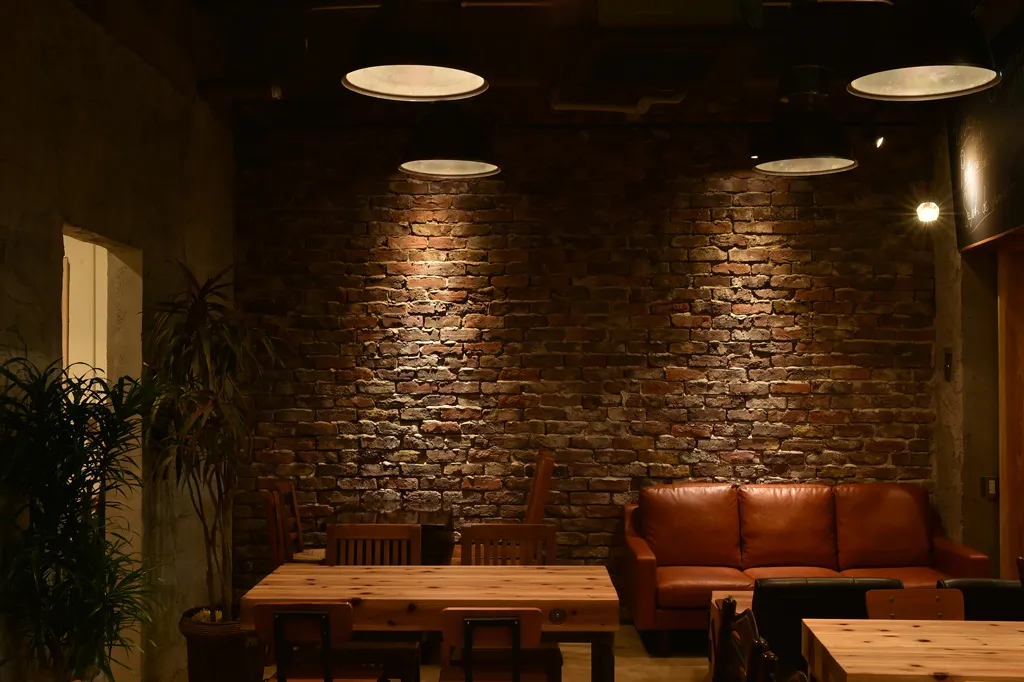
In restaurant interior design, covering an entire wall with brick tile is a highly effective idea for giving the space a strong visual impact and creating a memorable atmosphere.
In particular, placing brick tile near the entrance or in spots that easily catch a customer’s eye can leave a strong impression on visiting guests. For example, using vintage-style brick tile on the wall right inside the restaurant entrance can create a warm, welcoming atmosphere.
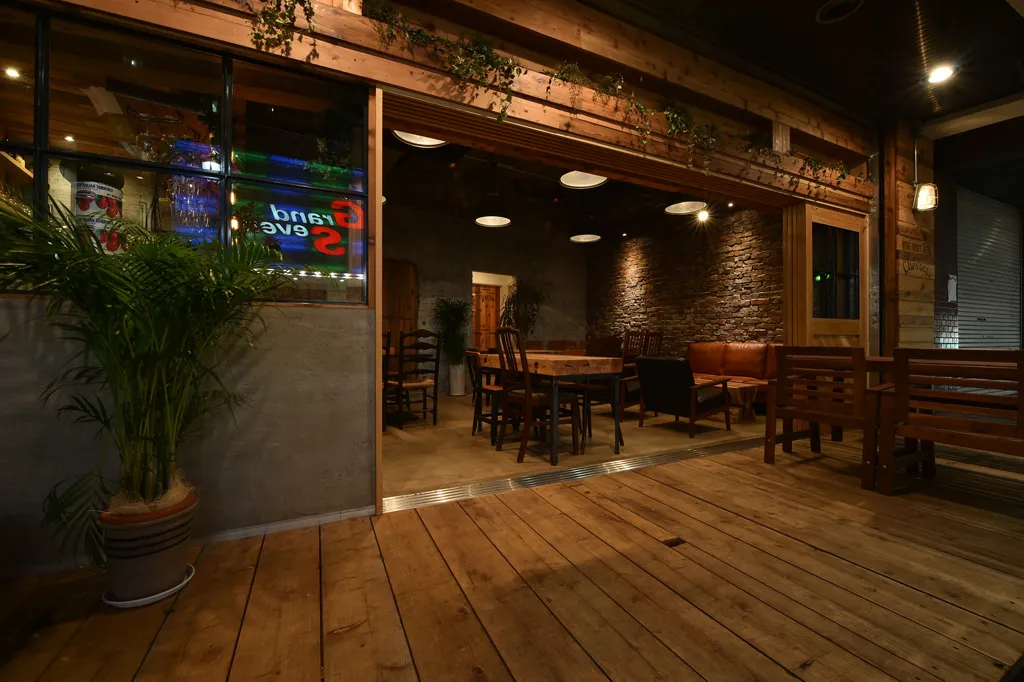
Using stylish brick tile on the wall behind the counter can also create a refined impression.
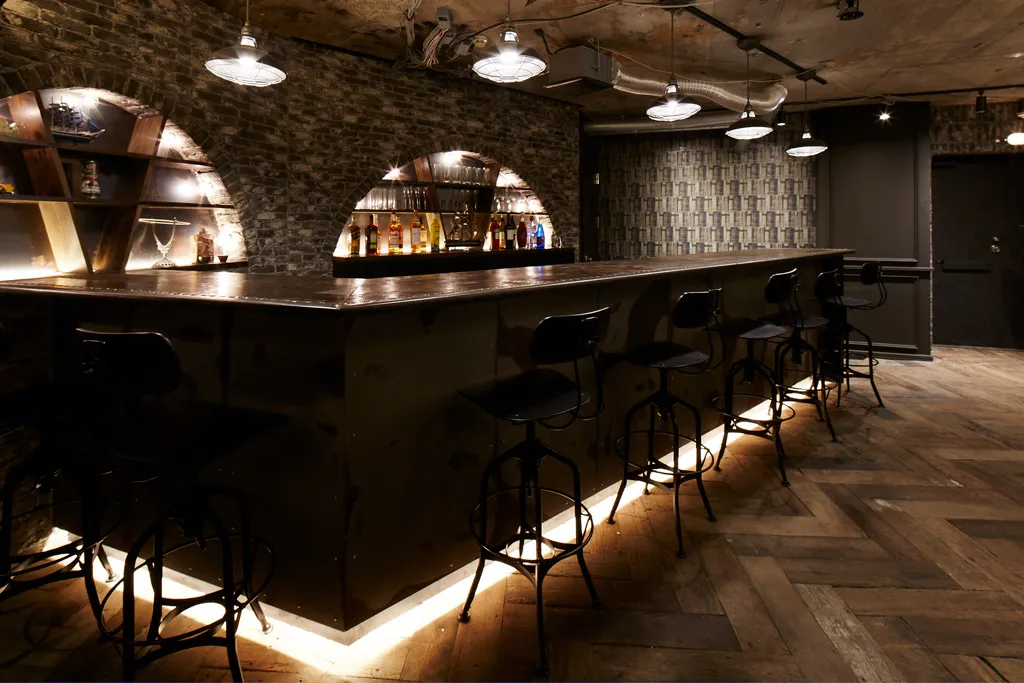
When covering an entire wall with brick tile, lighting design is also important. Using indirect lighting effectively brings out the tile’s texture and creates an even more appealing space. Spotlights can also be used to emphasize the tile’s unevenness and add a sense of dimension.
Incorporating Brick Tile Partially
Rather than using brick tile across an entire wall, incorporating it as an accent on part of a column or counter can subtly express character and add depth to a space. In particular, using brick tile on an open kitchen counter can create a friendly, café-like atmosphere and help bring staff closer to customers.
For example, applying brick tile to part of a column can bring a sense of rhythm and depth to the space.
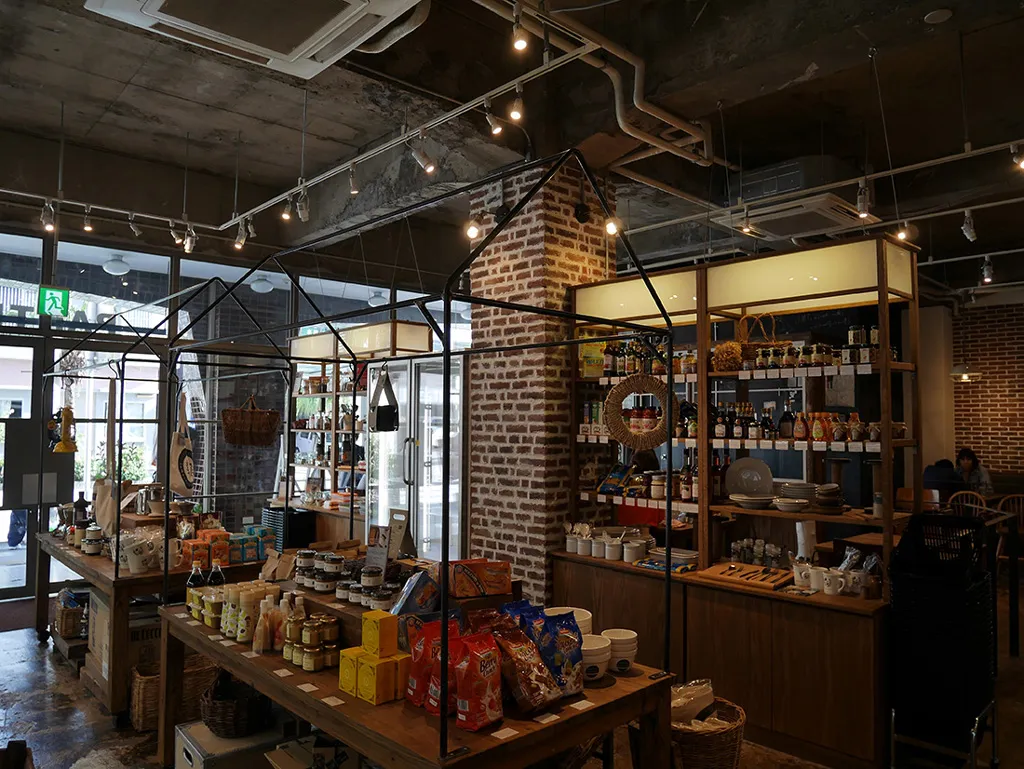
Using brick tile on the front of a counter can also create a casual, café-like atmosphere that makes it easy for customers to drop in.
When incorporating brick tile partially, it’s important to consider the balance with surrounding materials. Combining it with different materials such as wood or metal can add an accent to the space.
Combining Brick Tile with Other Materials
Brick tile is an appealing material on its own, but combining it with other materials can create an even richer expression. It pairs well with a variety of materials such as wood, metal, and glass, and the way it’s combined can dramatically change the atmosphere of a space.
For example, combining it with wooden tables and leather chairs can create a warm, natural space. The rugged texture of brick tile harmonizes with the natural warmth of wood, creating a comfortable, inviting space.
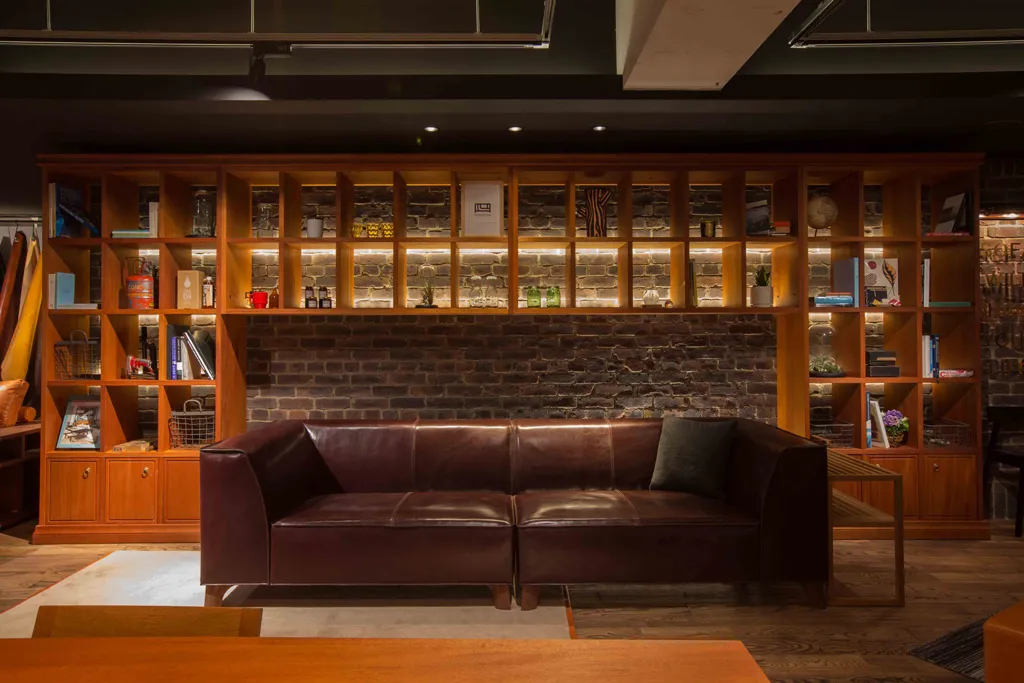
Combining it with metal light fixtures and decorative items can also create a modern, stylish atmosphere. The contrast between the vintage feel of brick tile and the sharp texture of metal creates a refined space. Pairing it with glass is also recommended. Installing glass shelves on a brick tile wall, or dividing the space with glass partitions, can create a distinctive space that still feels open.
Restaurant Case Studies Using Brick Tile
Cantina Gran Emio Tokorozawa
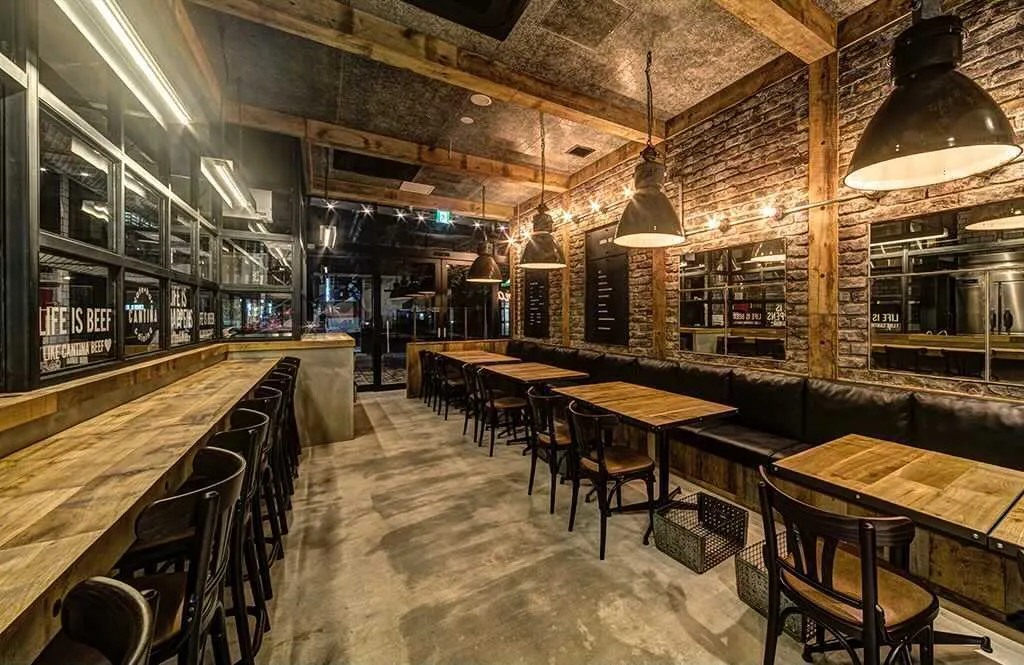
Cantina Gran Emio Tokorozawa uses brick tile effectively to achieve a space that combines a calm atmosphere with a sense of luxury.
Upon entering, the first thing that catches your eye is the brick tile used on the walls. Combined with indirect lighting, warm light illuminates the brick tile, creating a calm atmosphere.
The color of the brick tile was also chosen with the overall atmosphere of the space in mind. Using deep brown-toned brick tile creates a sense of luxury and calm, producing a space where guests can enjoy a relaxed meal. In addition to brick tile, materials such as wood and metal are also used effectively to give the space depth and dimension.
Creating a Distinctive, Appealing Restaurant Space with Brick Tile
Brick tile is a highly appealing material in restaurant interior design, capable of adding warmth and character to a space. From café-style spaces to those brimming with luxury, brick tile can create a wide range of atmospheres depending on how it’s chosen and used.
Keep these design points in mind, find the brick tile best suited to your restaurant, and create a truly one-of-a-kind, appealing space.
When choosing brick tile, it’s important to clarify the overall design concept of the restaurant. Thinking concretely about what kind of atmosphere you want and who your target customers are will help you choose the best brick tile.
There are also many types available, from tile sliced from real brick to tile manufactured in tile form, so understand the characteristics of each and choose the best option based on budget, design, and functionality.
It’s also important to confirm installation methods and costs thoroughly beforehand. Keeping these points in mind will help you make the most of brick tile and achieve a distinctive, appealing restaurant space.
Latest Articles
View All

CONTACT
General Inquiries