

Apartment Entrance Design | 4 Examples with Brick Tile and Manufactured Stone Veneer
“We want to refresh the entrance of our apartment building, but how much do we need to change to make a real difference?” This is a question we often hear from owners, property managers and architects of rental apartment buildings. The impression an entrance makes depends greatly on its wall material. As a manufacturer of brick tile, manufactured stone veneer and floor tile, we introduce four apartment buildings finished with our products, and explain how to choose the material, the three points that shape the design, and what to watch for when using these materials outdoors.
The entrance is the “face” of the building
The entrance is the place residents pass through every day and the first thing prospective tenants see when they come to view the property. The impression it makes carries over to the building as a whole.
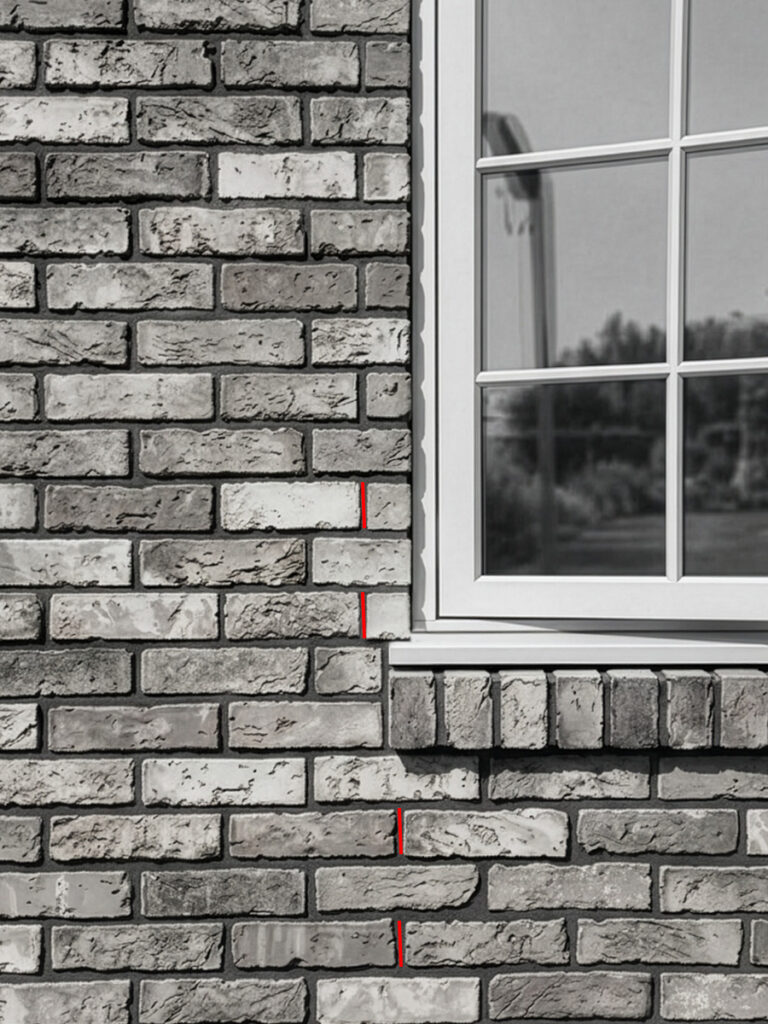
Unlike painted walls or flat siding, brick tile and stone veneer have relief and color variation in every piece, plus the shadows of the joints. Even on a building of the same shape, adding depth to the wall changes the look of the entrance.
Our CAN’BRICK and CAN’STONE are precast concrete products that reproduce real bricks and stones, and can be used on both interior and exterior walls.
How the material changes the impression: brick tile vs. stone veneer
| Brick tile (CAN’BRICK) | Manufactured stone veneer (CAN’STONE) | |
|---|---|---|
| Motif | Real bricks from around the world, such as old English bricks and American bricks | Real stones and landscapes, such as sandstone canyons, cobblestones and stone walls |
| Impression | Warm, classic | Solid, natural |
| How to vary the look | Bond pattern and joint finish | Joint width (tight to wide) and joint finish |
| Cold regions | All series require the penetrating water repellent REPEL・S | Please contact us about the conditions of use |
You don’t have to choose just one. As in Example 3 below, the two can be combined on a single building.
4 examples of apartment facades and entrances
1. We今宿 | Focusing on the lower floors and the entrance
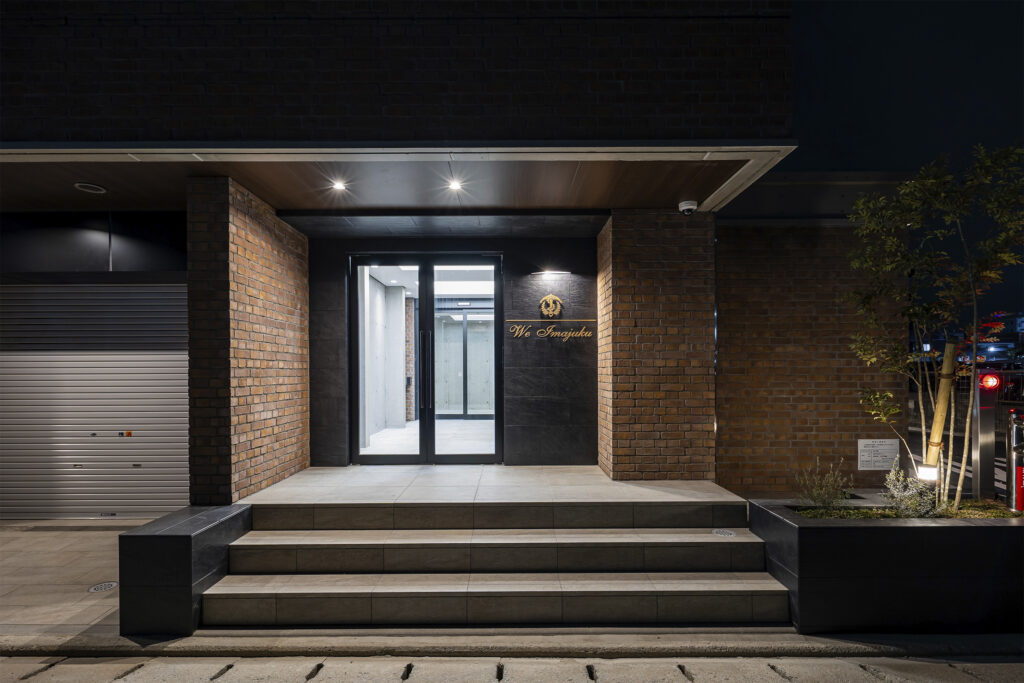
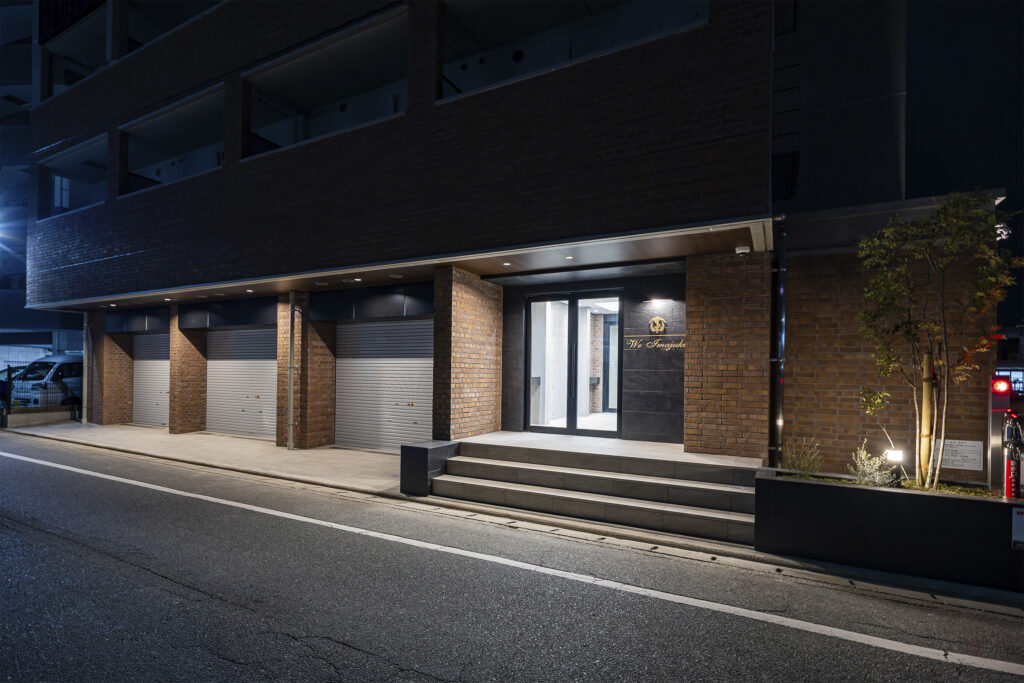
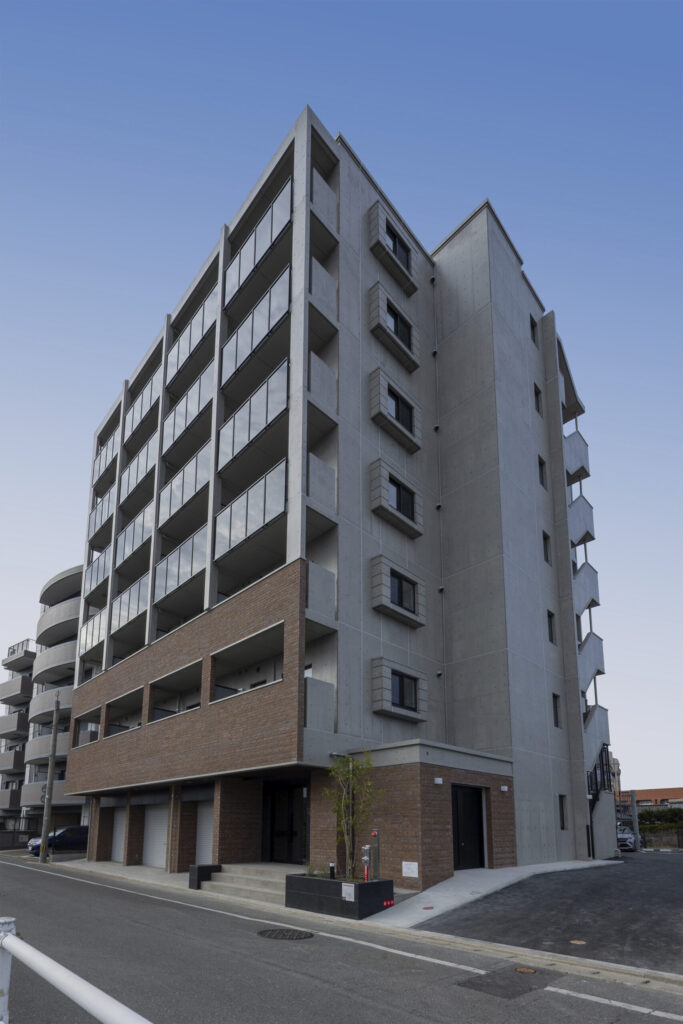
An apartment building designed by DMクリエイト株式会社. CAN’BRICK Texas Crenshaw (TX-6) was installed on the lower floors and around the entrance. The reddish-brown brick adds warmth and solidity to the clean concrete exterior. At night, downlights bring out the relief and color variation of the tiles.
See the We今宿 case study
2. Giulia Shimokitazawa | Creating character with the joint finish
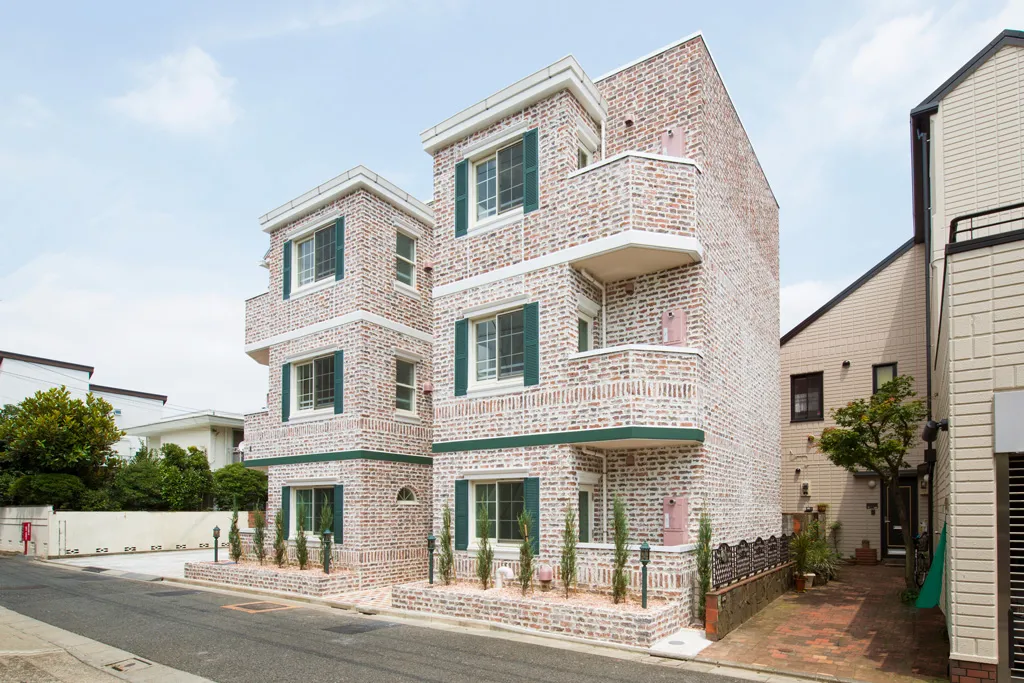
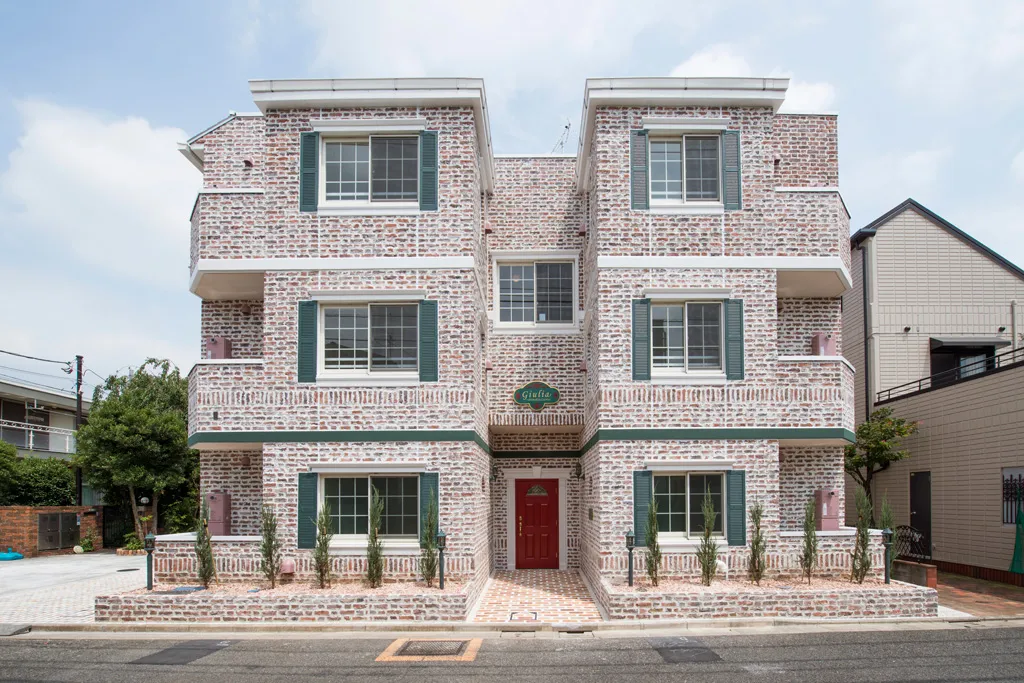
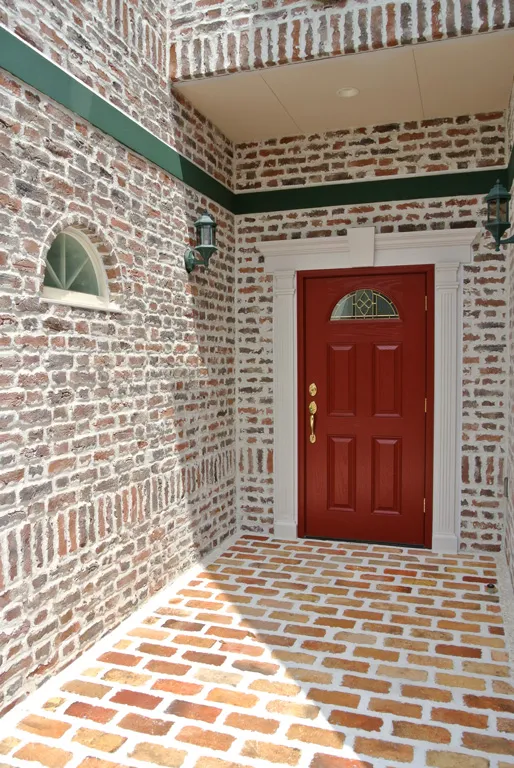
The tile used here is CAN’BRICK Manchester (MC-1), modeled on old English brick. What catches the eye on this building is the joints rather than the tiles. Overgrout joints, wide enough to partially cover the brick surface, define the character of the whole building.
See the Giulia Shimokitazawa case study
3. Edelfrau | Combining two brick colors with stone veneer
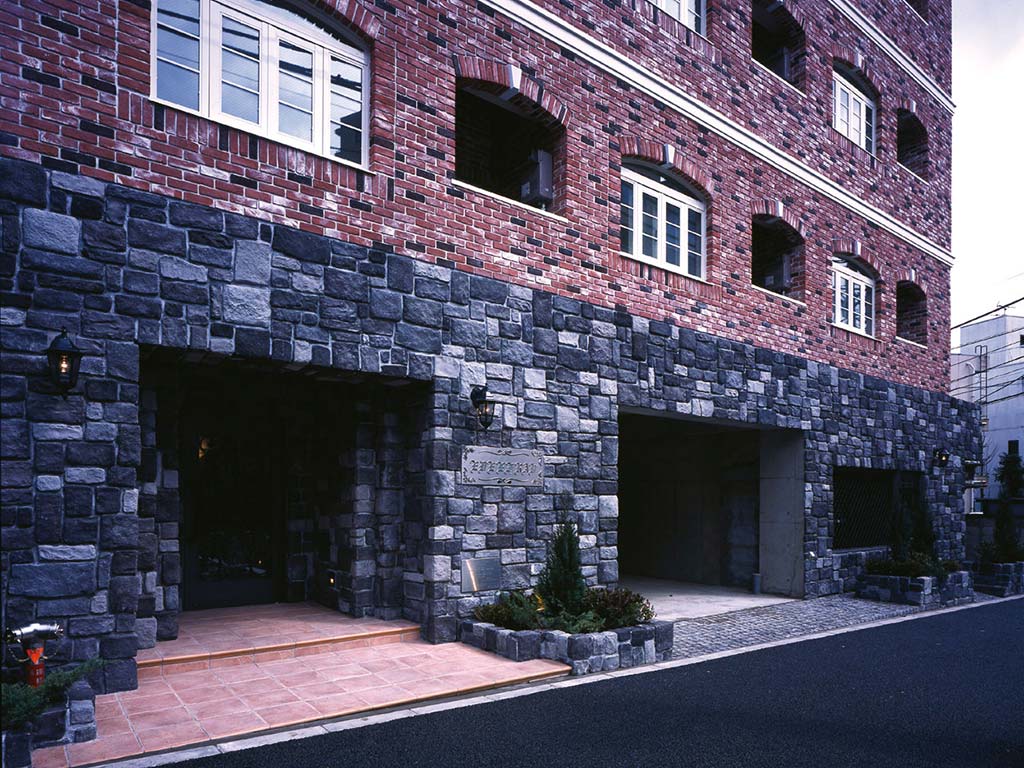
The exterior wall and facade use two colors of CAN’BRICK Standard (STD-25 and STD-55). The facade also features CAN’STONE COBBLE (COB), a stacked-stone look that reproduces rounded stones. This is an example of combining two different materials, brick and stone, on one building.
See the case studies: Exterior wall / Facade / Stone veneer
4. piazza ALAN | Stone look on the first floor only
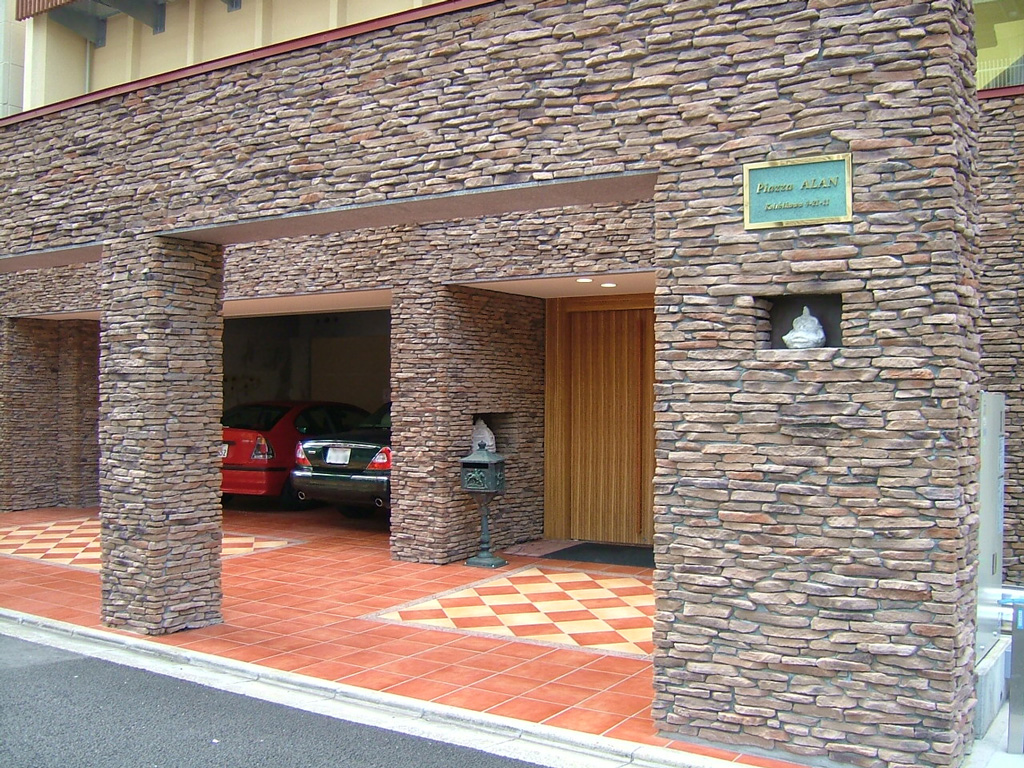
The stone veneer was installed on the first-floor facade. The three-dimensional wall of CAN’STONE HILLSIDE LEDGE (HSL-2), laid in a flat-stacked pattern, gives the whole building a sense of weight. This is an example of limiting the installation to the first floor.
See the piazza ALAN case study
3 points that shape apartment entrance design
1) Coverage: the whole facade or just the lower floors
Covering the whole facade changes the impression of the entire building. Focusing on the lower floors and the entrance concentrates the texture where people see it up close (Examples 1 and 4).
2) Joint width and color
The same tile can look different depending on the joints (Example 2). With CAN’BRICK you can choose the bond pattern and joint finish; with CAN’STONE, the joint width and finish. MT-MEJI, the grout made for CAN’BRICK and CAN’STONE, comes in 15 colors. We recommend checking the combination with the tile using samples.
3) Night lighting
People pass through the entrance at night as well. When downlights hit the wall, the relief appears as shadows and the wall takes on a different look from the daytime (Example 1). Plan the lighting positions together with the wall material.
Notes on installation and care
When used outdoors
- Fill the joints to at least 2/3 of the tile thickness: otherwise water can get behind the tiles and cause them to come off
- We recommend applying the penetrating water repellent REPEL・S: it helps prevent dirt, deterioration and efflorescence. The exterior stone veneer case study page also recommends it
Both indoors and outdoors
- Mix tiles from several cartons when installing: color and texture vary from piece to piece
- Do not install at temperatures of 5°C or below: the same applies if the temperature is expected to fall to 5°C or below during curing
- Do not use acid cleaning: as these are cement products, clean them with water or a neutral detergent
FAQ
Can it be used to renovate an existing apartment building?
CAN’BRICK can be installed on exterior walls over siding, concrete, block or mortar substrates (for siding, a thickness of 14 mm or more is recommended). The installation method depends on the condition of the existing wall, so please consult us at the planning stage.
Can the entrance floor use the same material?
Brick tile and stone veneer are designed as wall materials, so please do not use them on floors. For floors, we recommend floor products such as CAN’FLOOR CUBIC (CUB), a paving-stone look for entrances and garden terraces.
Will the same product be available for future repairs?
All products used in these four buildings are manufactured in-house in Japan. Even when out of stock, they can be supplied if you can wait for production. There is no risk of sudden discontinuation as with imported products, and a dedicated repair material for cracks and similar damage is also available.
Summary | Samples and catalog
Apartment entrance design changes greatly with three points: coverage, joints and lighting. Brick tile suits adding warmth; stone veneer suits creating a sense of weight.
Color and texture can look different on screen and in person, so please check them with samples first. Samples of CAN’BRICK and CAN’STONE are free of charge.
Request samples: Brick tile (CAN’BRICK) / Manufactured stone veneer (CAN’STONE)
To compare products side by side, you can also download our catalog.
Related articles
Latest Articles
View All
CONTACT
General Inquiries