

How Do You Read 目地 (“Joint”) in Tile Work? Meji or Medi?
“How do you read 目地 (“joint”) — is it めじ (meji) or めぢ (medi)?”
Sure enough, it varies from manufacturer to manufacturer.
So we looked into it right away. Words that use the character 地 are written differently depending on context: 地下 (basement) and 土地 (land) are read “chika” and “tochi,” while 地面 (ground) and 地震 (earthquake) are read “jimen” and “jishin.”
So when is it read as “ぢ” (di)?
(1) The “ぢ” that arises from the repetition of the same sound. Examples: ちぢみ (chijimi, shrinking), ちぢむ (chijimu, to shrink), ちぢれる (chijireru, to curl), ちぢこまる (chijikomaru, to cower) (2) The “ぢ” that arises from the combination of two words. Examples: はなぢ (hanaji, nosebleed), そこぢから (sokojikara, latent strength), ひぢりめん, いれぢえ (irejie, borrowed wisdom), ちゃのみぢゃわん, まぢか (majika, close by)
“Showa 61 (1986) Cabinet Notification No. 1, Modern Kana Usage, Main Text, Item 2 (Exceptions Based on Conventional Spelling)”
地 doesn’t come up here at all… Let’s read a bit further…
[Note] In words like the following, the “じ” is a sound that was already voiced in the original Sino-Japanese reading of the kanji, so it does not fall under either (1) or (2) above, and is written with “じ.” Examples: じめん (jimen, ground; 地面), ぬのじ (nunoji, cloth; 布地)
“Showa 61 (1986) Cabinet Notification No. 1, Modern Kana Usage, Main Text, Item 2 (Exceptions Based on Conventional Spelling)”
Hm? Already voiced to begin with? What does that mean? Let’s go back to basics
and check a kanji dictionary. The readings for 地 are… “chi,” “ji”… there’s no “di” (ぢ)! So the correct answer is “meji.” A surprisingly simple answer.
So is “medi” (めぢ) wrong?
No — Japanese kana spelling has another system: historical kana usage.
It’s a spelling system that was used, with changes over time, from as far back as the Heian period until the early Showa era.
“蝶々” (butterfly) used to be written “てふてふ” (tefutefu), “恵比寿” (Ebisu) was written “ヱビス” (wyebisu), “ラジオ” (radio) was written “ラヂヲ” (radiwo)… and there it is — “ヂ” (di)!
In other words, “meji” was originally written “medi” (めぢ).
In Summary
Today, the officially correct spelling is “meji,” but historically speaking, “medi” is correct too.
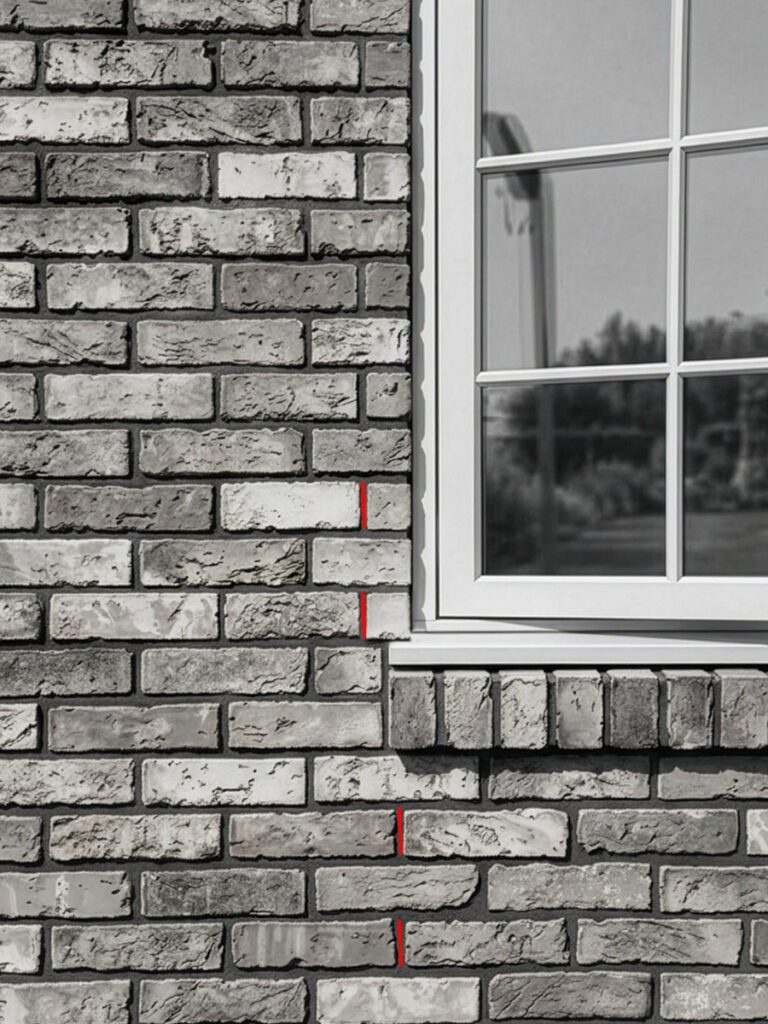
The joint is inseparable from brick, and even a single word’s reading carries a sense of history.
Latest Articles
View All

CONTACT
General Inquiries