

The Aesthetics of British Architecture Seen in the Brick of 10 Downing Street
The Brick Wall of 10 Downing Street
— From yellow brick to jet black: the craft and culture behind Tuck Pointing —
A Doorway Steeped in History
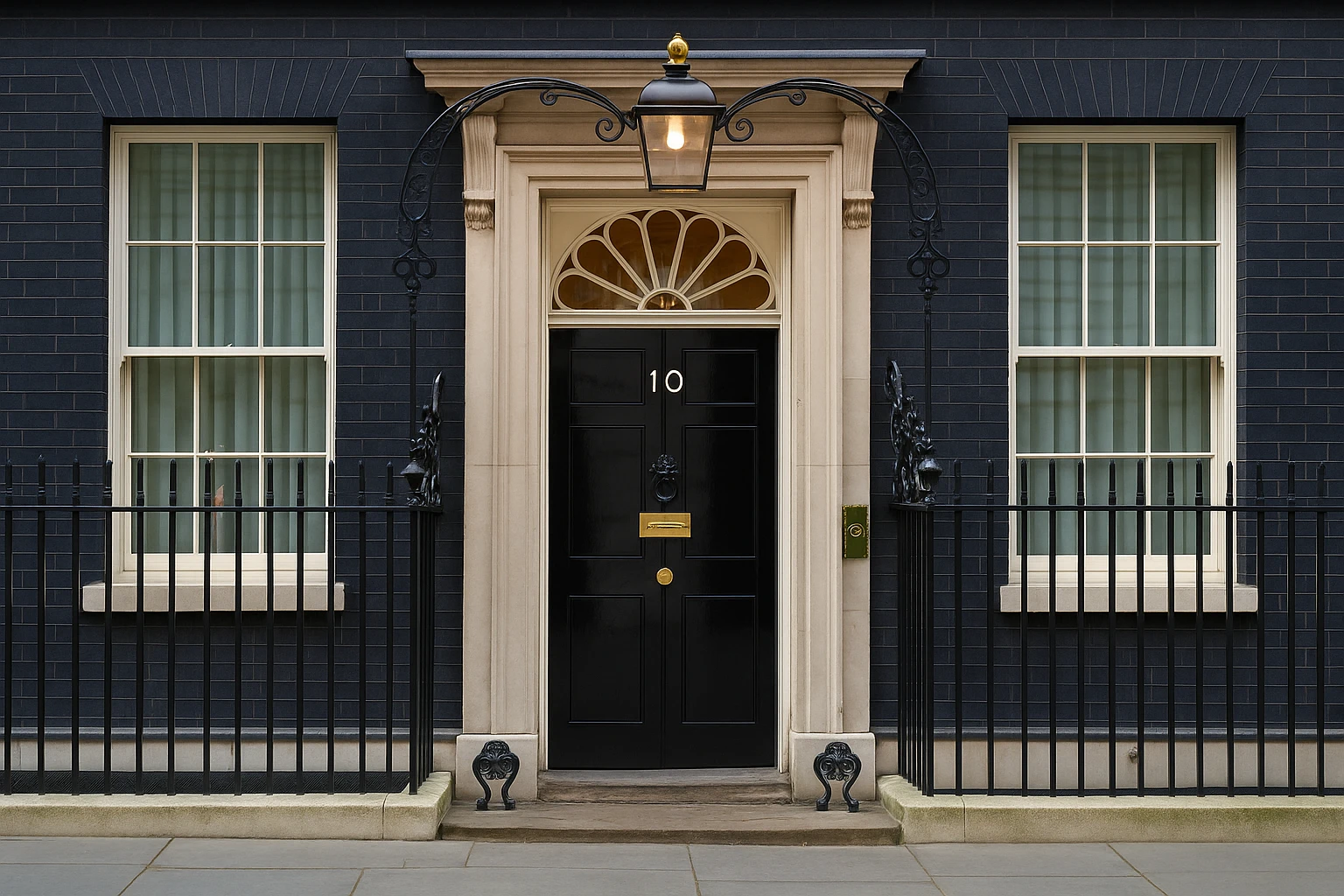
10 Downing Street in London is a historic building known worldwide as the official residence of the British Prime Minister. Its Georgian-style exterior has been renovated many times over the years yet has retained its dignified presence, and nothing captures attention more than its iconic black brick wall.
Was It Originally Built with Yellow Brick?Or Was It Navy?
Surprisingly, 10 Downing Street was originally built with a bright, yellowish brick. This was a type known as “London stock brick,” commonly used around London in the 18th century, prized for its distinctive warmth.
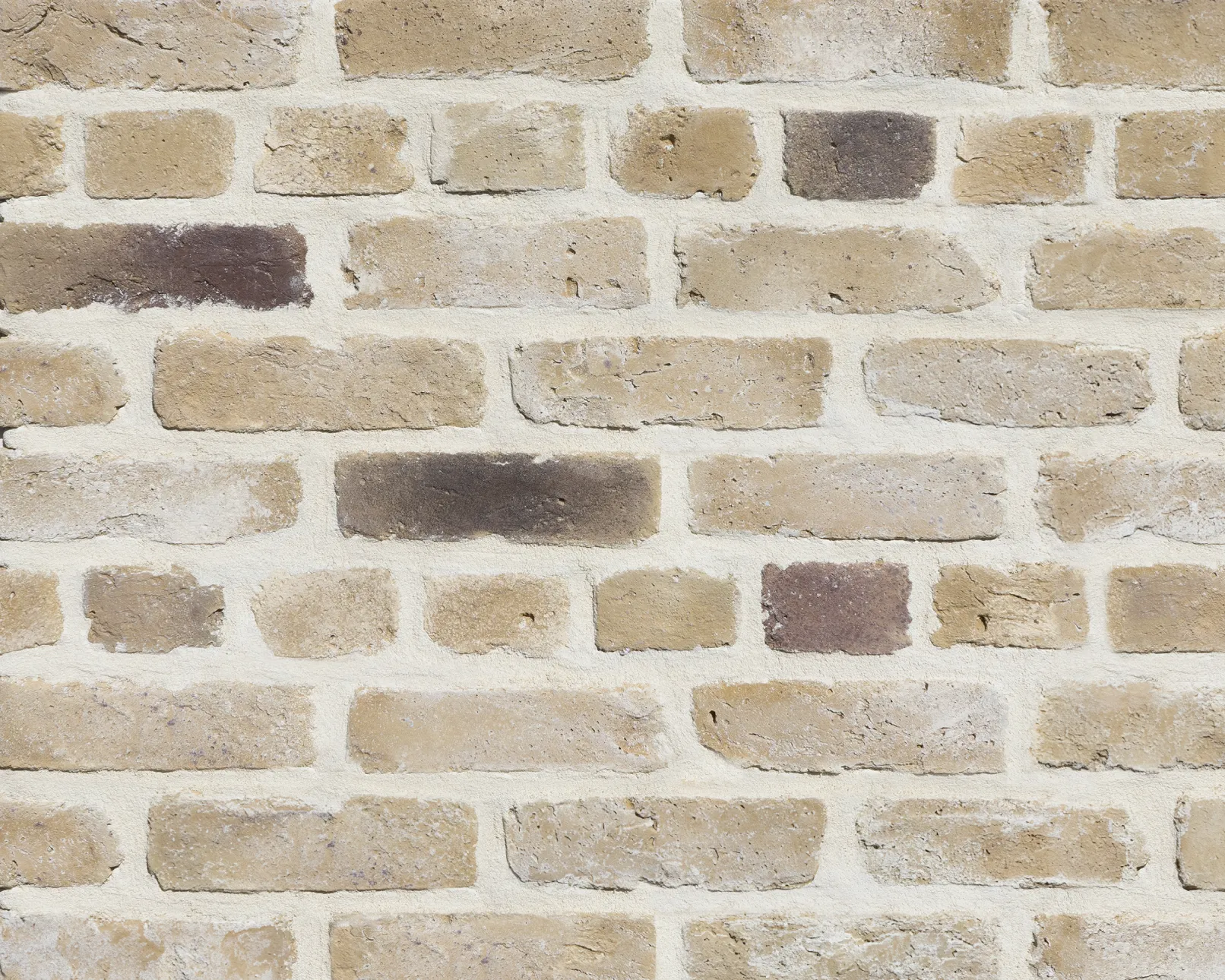
Over time, however, soot and grime from exhaust fumes built up on the surface, gradually darkening the brick to the blackened appearance it has today. That look eventually came to be appreciated in its own right, and — partly because it hides dirt so well — the building was later repainted black to match the color it had taken on naturally. This jet-black exterior is now synonymous with the identity of 10 Downing Street, though the color is often mistaken for navy blue.
Turning Repair into Beauty — The Craft of Tuck Pointing
One of the techniques behind 10 Downing Street’s unique appearance is “Tuck Pointing”.
This technique involves drawing a thin, contrasting-colored joint line (a fillet) over the actual joint to create the illusion of fine, precisely straight joints. It makes the most of the original material while giving it a cleaner, more contemporary look — a technique that reflects the Western tradition of remodeling buildings without tearing them down.
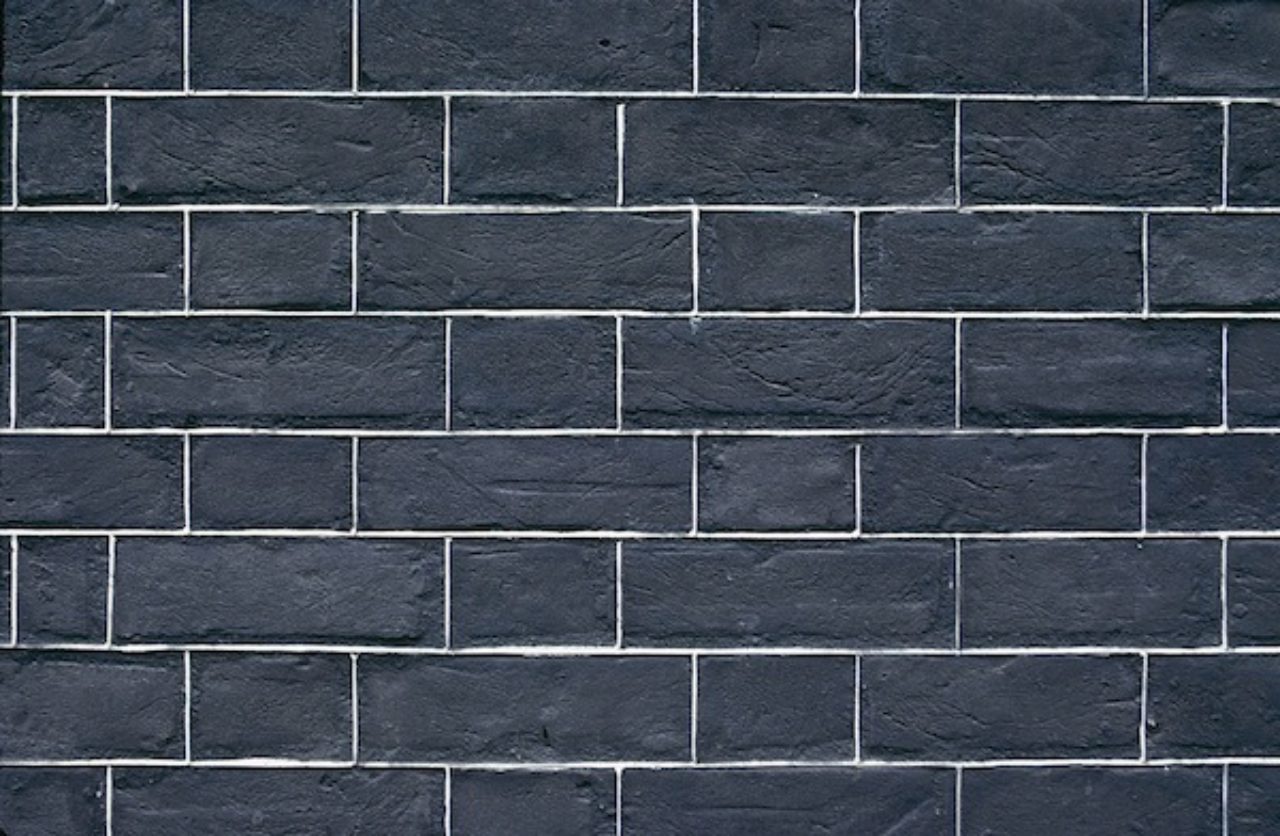
In particular, adding white fillets over the black-painted wall creates the visual impression of extremely sharp, precisely laid brickwork. It’s a clever way to conceal the actual precision of the joints and the effects of weathering, while maximizing visual beauty.
What Tuck Pointing Means in British Architecture
In Britain, this Tuck Pointing technique was widely adopted in urban buildings, particularly in the early 19th century. At a time when laying brick with perfect regularity was difficult, this technique served as a decorative expression of craftsmanship, and also reflected the public’s dedication to architectural beauty.
Today, its cultural value has been reevaluated, and the technique is now applied as a design element not only in the preservation of historic buildings but in new construction as well.
Recreating the Look of 10 Downing Street with Our Brick Tile
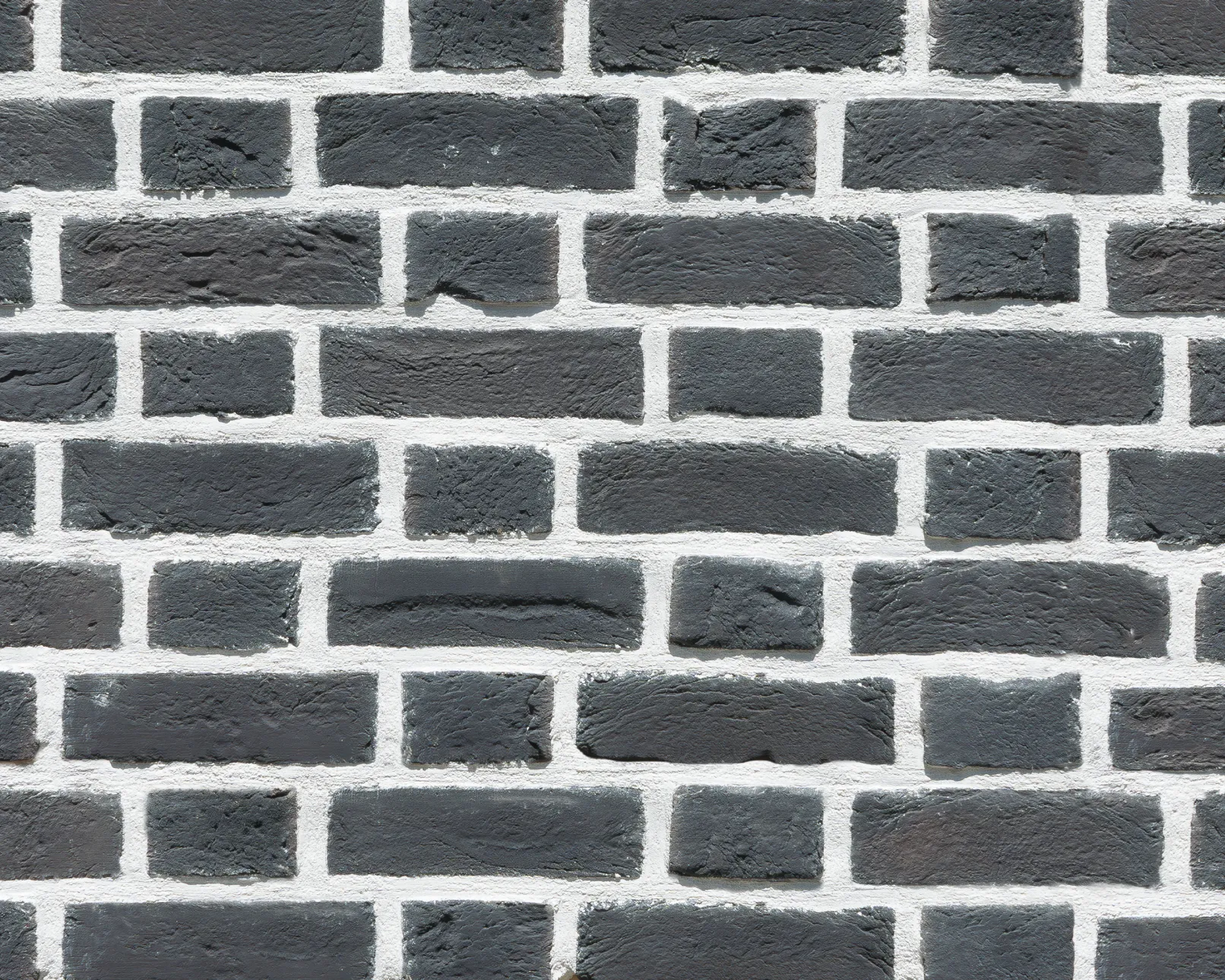
By narrowing the joint width from the standard 13mm or so down to about 7mm, you can achieve a look closer to that of 10 Downing Street.
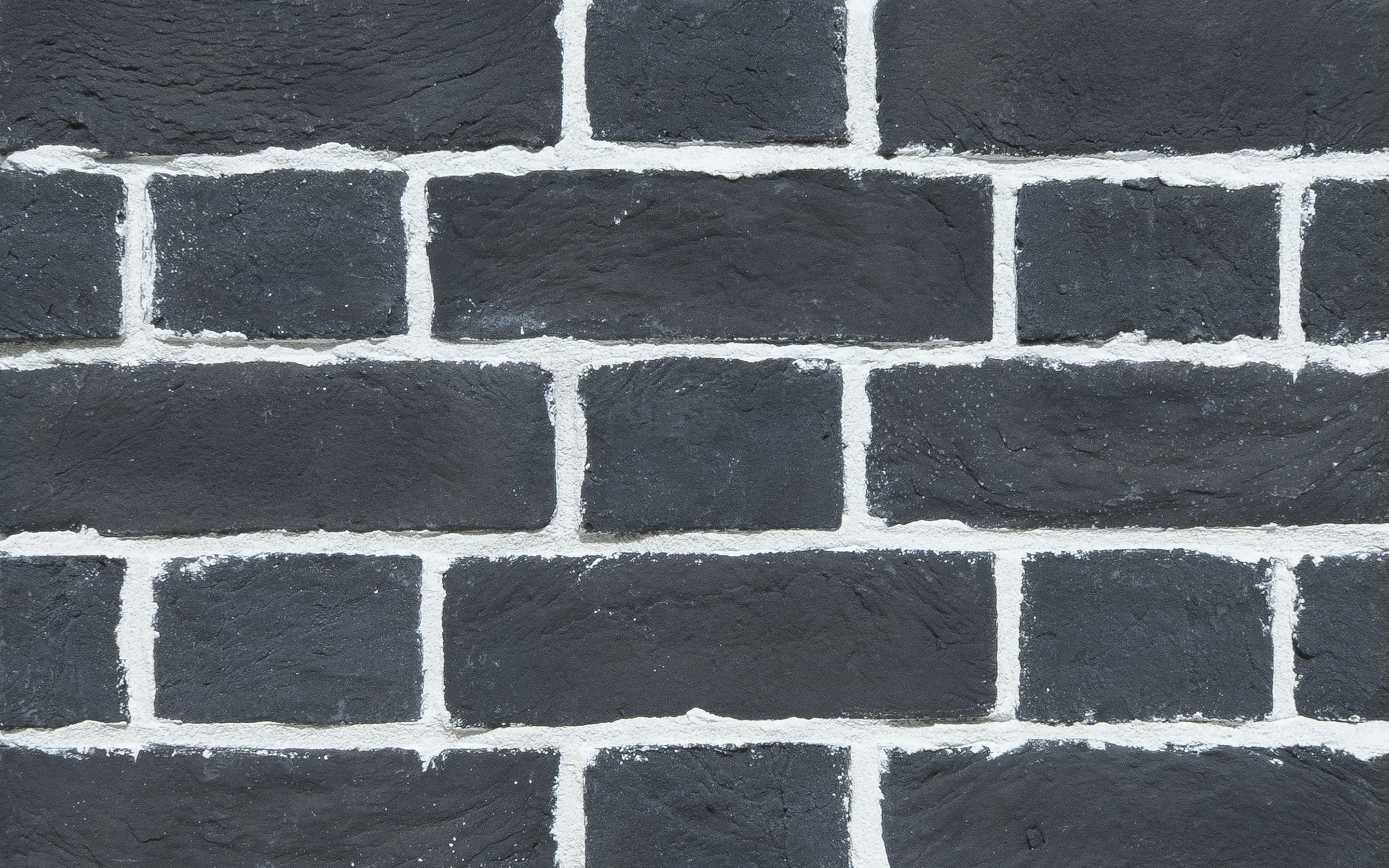
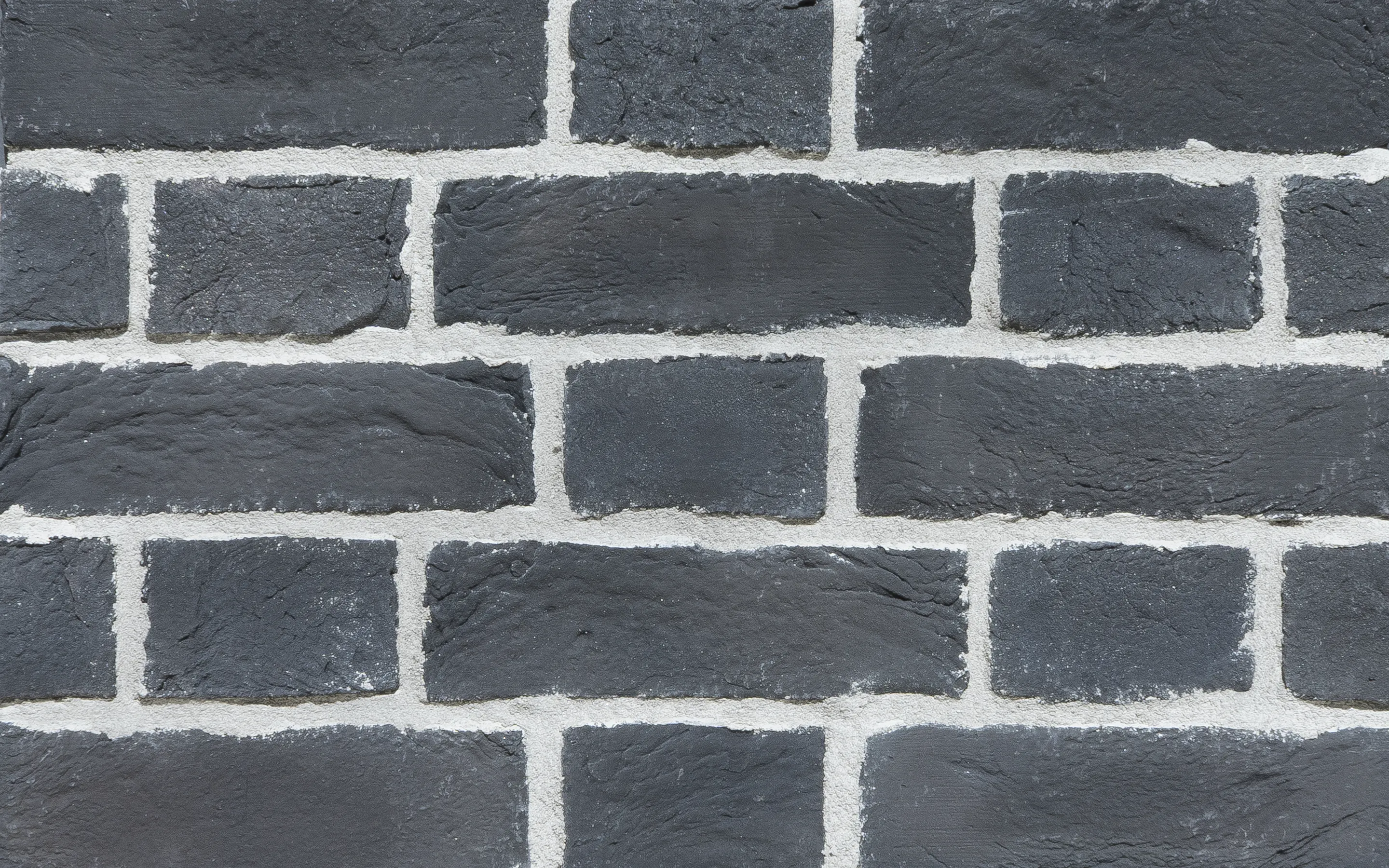
Brick used: BK-5 (7mm joint width). Joint color: White (left image), Light Gray (right image)
Latest Articles
View All
CONTACT
General Inquiries